
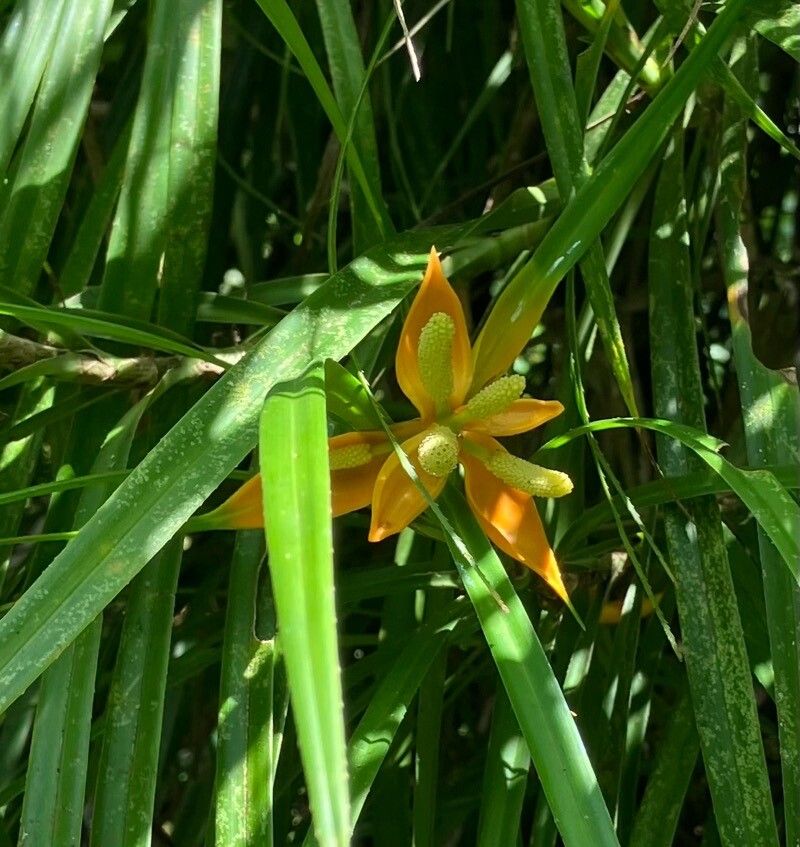
Unveiling the Secrets: How to Propagate Freycinetia angustifolia
Freycinetia angustifolia, with its striking foliage and intriguing growth habit, is a plant that commands attention. Native to Southeast Asia, this climbing beauty, also known as the “Climbing Pandanus,” can bring a touch of the exotic to your home. But propagating it? That might seem like a mystery. Fear not, plant enthusiasts! We’re about to unveil the secrets of successfully propagating Freycinetia angustifolia.
Understanding the Plant:
Before we delve into propagation, it’s helpful to understand this unique plant. Freycinetia angustifolia isn’t a true vine. It clings to supports using its aerial roots, much like a Monstera. It can also scramble along the ground. Its long, slender leaves boast a glossy green hue, adding a touch of tropical elegance to any space.
While Freycinetia angustifolia can be grown from seeds, it’s a less reliable and much slower method. The most effective way to propagate this beauty is through stem cuttings:
Timing is Key: Spring or early summer, when the plant is actively growing, offers the highest chance of success.
Taking the Cutting: Look for a healthy stem with at least two nodes (the small bumps where leaves emerge). Using clean, sharp pruning shears, cut just below a node. The ideal cutting length is around 6-8 inches.
Preparing the Cutting: Remove the leaves from the lower third of the stem. This allows the cutting to focus its energy on root development.
- Rooting Hormone (Optional): While not essential, dipping the cut end in rooting hormone can encourage faster root development.
Rooting Medium and Conditions:
Freycinetia angustifolia cuttings thrive in a warm, humid environment:
Medium: Create a well-draining mix using equal parts peat moss, perlite, and vermiculite. This provides the perfect balance of moisture retention and aeration, crucial for healthy root development.
Planting: Insert the bottom third of the cutting into the prepared medium, ensuring at least one node is buried. Gently firm the soil around the base.
Humidity Dome: Cover the pot with a clear plastic bag or a humidity dome. This helps to trap moisture and create a mini greenhouse environment.
Light: Place the cutting in a well-lit location, but out of direct sunlight. Intense sun can scorch the developing leaves.
Watering: Maintain a consistently moist, but not soggy, medium. Water whenever the top inch of the soil feels dry.
- Patience is Key: Rooting can take several weeks to a couple of months. Resist the urge to tug on the cutting to check for roots, as this can damage the developing root system.
Signs of Success:
New Growth: Seeing new leaves emerge from the cutting is a sure sign that roots have successfully developed.
- Root Development: You can also gently check for root development by carefully lifting the cutting. A network of white, healthy roots indicates successful propagation.
Transplanting:
Once your cutting shows signs of robust growth and has a well-established root system, it’s time to transplant it into a larger pot with well-draining soil. Choose a pot with drainage holes to prevent waterlogging.
Propagating Freycinetia angustifolia might seem a tad daunting, but armed with the right knowledge and a sprinkle of patience, even novice gardeners can successfully multiply this stunning plant. So, why not give it a try? The reward of witnessing new life emerge from a simple cutting is truly fulfilling.