
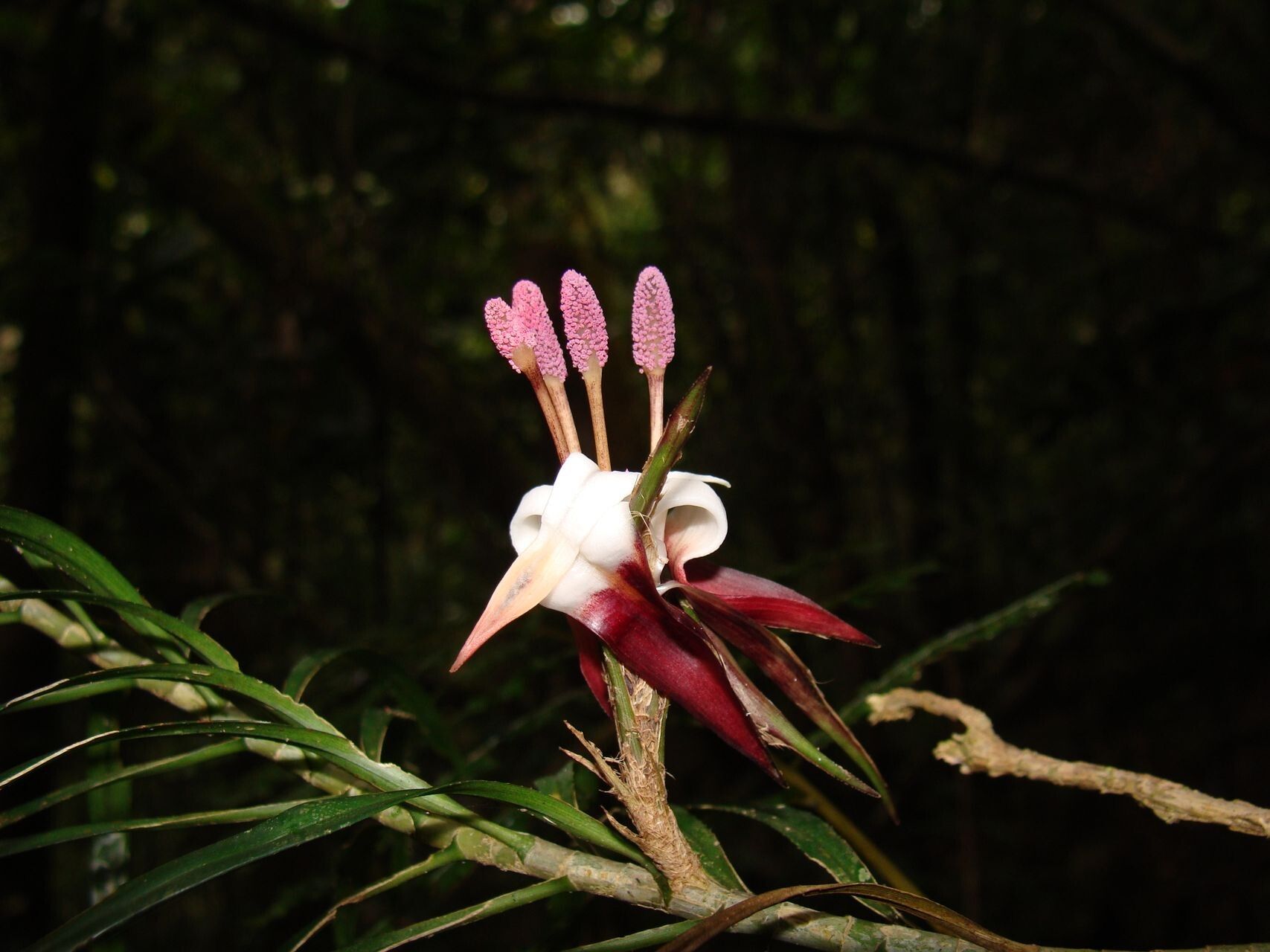
Unlocking the Secrets of the Climbing Pandan: Propagating Freycinetia graminifolia
The Freycinetia graminifolia, sometimes called the climbing pandanus or simply Freycinetia, is a plant that captivates with its unique beauty. Native to the rainforests of Southeast Asia and the Pacific Islands, this tropical climber boasts long, slender leaves arranged in a striking spiral, often accented by brightly colored bracts. While its exotic allure is undeniable, many are left wondering: how can one propagate and welcome this rainforest gem into their own homes?
Luckily, unlike some finicky flora, the Freycinetia graminifolia offers a couple of accessible propagation techniques, each with its own advantages:
1. Stem Cuttings: A Direct Approach
Stem cuttings offer the most straightforward way to propagate your climbing pandanus. Here’s how to do it:
- Timing is Key: Choose a healthy, mature stem for cutting, ideally during the plant’s active growing season (spring to early summer).
- Make the Cut: Using a clean, sharp knife or pruning shears, take a cutting about 10-15 centimeters long, ensuring it includes at least two nodes (the small bumps on the stem where leaves emerge).
- Prepare the Cutting: Remove leaves from the lower node to prevent rotting. You can also dip the cut end in rooting hormone powder to encourage faster root development.
- Potting Mix Matters: Plant the cutting in a well-draining potting mix designed for tropical plants. A blend of peat moss, perlite, and vermiculite works well.
- Warmth and Humidity are Crucial: Place the potted cutting in a warm, humid environment with bright, indirect light. A humidity dome can be beneficial in maintaining the required moisture levels.
- Patience is a Virtue: Keep the soil consistently moist but not waterlogged. It may take several weeks for roots to develop. Once new growth appears, you’ll know your cutting has taken root.
2. Layering: Encouraging Roots While Still Attached
Layering is another propagation method that takes advantage of the plant’s natural ability to root from its nodes. Here’s how:
- Choose a Stem: Select a healthy stem that is long enough to be bent down to the soil level.
- Wound and Bury: Gently wound the stem at a node by making a small cut or scraping away a thin layer of bark. This encourages root formation. Bury the wounded section in a pot filled with the same well-draining potting mix used for stem cuttings. Secure the stem in place with a bent wire or a small rock.
- Patience, Again: Keep the soil moist and wait for roots to develop from the buried node. This may take several weeks. Once new growth appears, you can sever the layered stem from the mother plant.
Nurturing Your New Freycinetia:
Once your propagated Freycinetia graminifolia has rooted successfully, it’s time to provide it with the care it needs to thrive:
- Light: Bright, indirect light is ideal. Avoid direct sunlight, as it can scorch the leaves.
- Water: Keep the soil consistently moist but not waterlogged. Allow the top inch of soil to dry out between waterings.
- Humidity: As a tropical plant, Freycinetia graminifolia prefers high humidity. Misting regularly or using a humidifier can help.
- Support: Provide a moss pole or trellis for your climber to grasp onto.
Propagating your own Freycinetia graminifolia is a rewarding endeavor that allows you to multiply your collection of this captivating climber. With these techniques and a little patience, you can enjoy the exotic beauty of the climbing pandanus in your own home for years to come.