
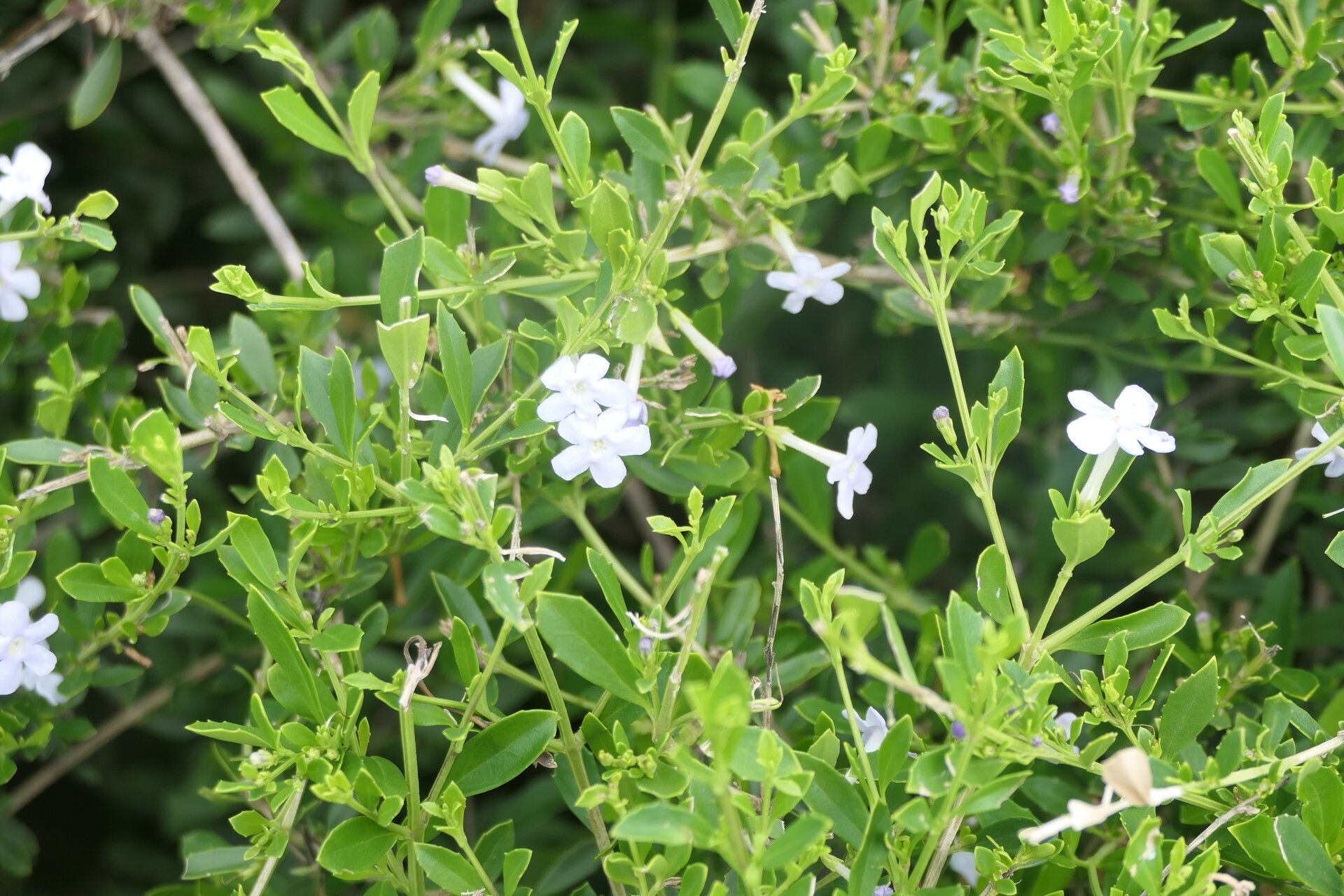
Propagating Freylinia tropica: A Gardener’s Guide to the Cape Lilac
Freylinia tropica, commonly known as Cape Lilac, is a highly prized ornamental shrub adored for its profuse, vibrant displays of lilac-purple flowers. Native to South Africa, its weeping habit and attractive foliage make it a focal point in many gardens. Its popularity amongst gardeners stems from its relative ease of care once established, drought tolerance, and the spectacular floral display it provides, particularly appealing to pollinators. However, propagating this desirable shrub can present unique challenges.
Seed Germination:
Currently, there are no known reliable methods for seed germination propagation of Freylinia tropica. While seeds may be produced, their germination rate is exceptionally low, and successful germination remains elusive even with various pretreatment techniques that work well for other species. Further research into specific seed dormancy mechanisms could potentially unlock this propagation method in the future.
Cuttings:
Cuttings offer a more viable method for propagating Freylinia tropica.
Challenges: The success rate of cuttings depends heavily on timing and technique. Hardwood cuttings taken in late autumn or winter, before new growth emerges, generally offer the highest chance of success.
Practical Tips: Cuttings should be approximately 10-15cm long, taken from healthy, mature stems. The lower leaves should be removed to prevent rot, and the cut ends dipped in a rooting hormone before planting in a well-draining propagating mix (e.g., perlite and peat moss). Maintaining high humidity (e.g., using a propagator or covering with a plastic bag) and consistent moisture are crucial. Providing bottom heat can also improve rooting success.
Rewards: Successful propagation via cuttings offers a genetically identical copy of the parent plant, preserving desirable traits. This method is also relatively straightforward for smaller-scale propagation.
Division:
Division is not a practical method for propagating Freylinia tropica. The shrub’s extensive root system makes division difficult and likely to damage the plant, resulting in poor survival rates for both the parent plant and the divisions.
Tissue Culture:
Tissue culture offers a potential, albeit specialized, method for large-scale propagation of Freylinia tropica.
Challenges: This method requires a sterile laboratory setting, specialized equipment, and expertise in plant tissue culture techniques. Establishing sterile cultures and optimizing growth media for Freylinia tropica would require significant experimentation.
Practical Tips: Establishing a protocol for tissue culture would involve selecting suitable explant material (e.g., nodal segments), sterilizing the material, and culturing it on appropriate media containing plant growth regulators.
Rewards: Tissue culture allows for rapid and large-scale propagation, providing a reliable source of genetically identical plants, ideal for commercial production or conservation efforts.
Conclusion:
Propagating Freylinia tropica presents unique challenges depending on the chosen method. Seed germination currently appears unfeasible using known techniques, while division is impractical. Cuttings offer a relatively accessible approach for home gardeners, although success depends on technique and patience. Tissue culture holds the most promise for large-scale production but requires significant technical expertise and resources.
The satisfaction of successfully propagating this beautiful shrub, however, is deeply rewarding. Overcoming the hurdles inherent in propagation underscores the connection between gardener and plant, amplifying the joy of witnessing the growth and eventual flowering of a plant painstakingly cultivated from a cutting. For those wanting to try their hand at propagating Cape Lilac, cuttings provide the most achievable pathway to success. Remember patience, attention to detail, and consistent care are key components to a rewarding journey.