
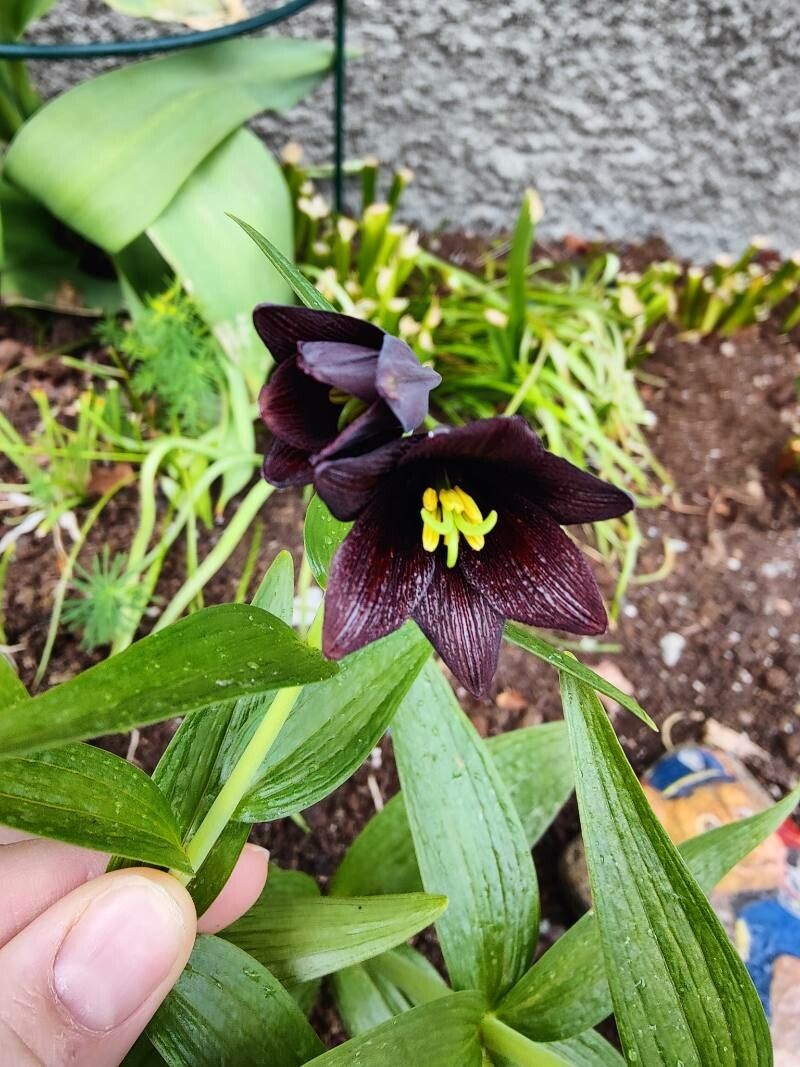
From Bulb to Blooms: How to Propagate the Enchanting Fritillaria camschatcensis
The Fritillaria camschatcensis, also known as the “Chocolate Lily” or “Mission Bells”, is a charming wildflower boasting delicate bell-shaped blooms in shades of deep purple and green. These striking wildflowers are a welcome addition to any garden, and best of all, they’re relatively easy to propagate! This post will guide you through the process of extending your collection of these captivating beauties.
Understanding Fritillaria Propagation
Fritillaria camschatcensis primarily propagates through two methods:
- Bulb Division: This method involves carefully separating the bulbs of an established plant.
- Seed Propagation: This process involves germinating seeds, allowing you to cultivate new plants from scratch.
Bulb Division: A Quick and Reliable Method
- Timing is Key: The optimal time for dividing Fritillaria bulbs is in the late summer or early fall when the leaves have withered.
- Gentle Excavation: Carefully dig up the mature bulb cluster, making sure to avoid damaging the bulbs.
- Separation: Carefully separate the bulbs by hand. Aim for bulbs that are at least an inch in diameter for the best success rate.
- Replanting: Plant the divided bulbs immediately in a well-draining soil, spacing them around 6-8 inches apart.
- Watering and Care: Water the newly planted bulbs thoroughly and keep the soil consistently moist.
Seed Propagation: Patience and Reward
- Collecting Seeds: Once the flowers fade, pods filled with seeds will form. Harvest these pods when they turn brown and dry.
- Seed Preparation: Remove the seeds from the pods and allow them to dry for a few days in a cool, dry place.
- Sowing Seeds: Sow the seeds in a shallow seed tray filled with a well-draining seed-starting mix. Keep the soil moist and slightly warm.
- Patience is Key: Fritillaria seeds can take several months to germinate. Be patient and keep the soil consistently moist.
- Transplanting: Once the seedlings have developed a few true leaves (usually after a year or two), transplant them into individual pots or directly into the garden.
Essential Tips for Success
- Choosing the Right Location: Choose a spot that receives partial shade and has well-drained soil.
- Soil Quality: Fritillaria camschatcensis thrives in fertile, slightly acidic soil. Amend your soil with compost or peat moss if necessary.
- Watering and Drainage: These plants appreciate consistent moisture but dislike soggy conditions, so ensure good drainage.
- Protection from Pests: Slugs and snails can be a problem, so take measures to protect your plants.
Enjoy the Blooming Beauty
Once established, Fritillaria camschatcensis plants will reward you with a captivating display of bell-shaped flowers each spring. Their unique charm, combined with relatively easy propagation methods, make them a delightful addition to any garden enthusiast’s collection. So, get ready to experience the joy of growing these enchanting wild beauties!