
Fritillaria Obliqua: Unveiling the Secrets to Propagating These Checkerboard Lily Beauties
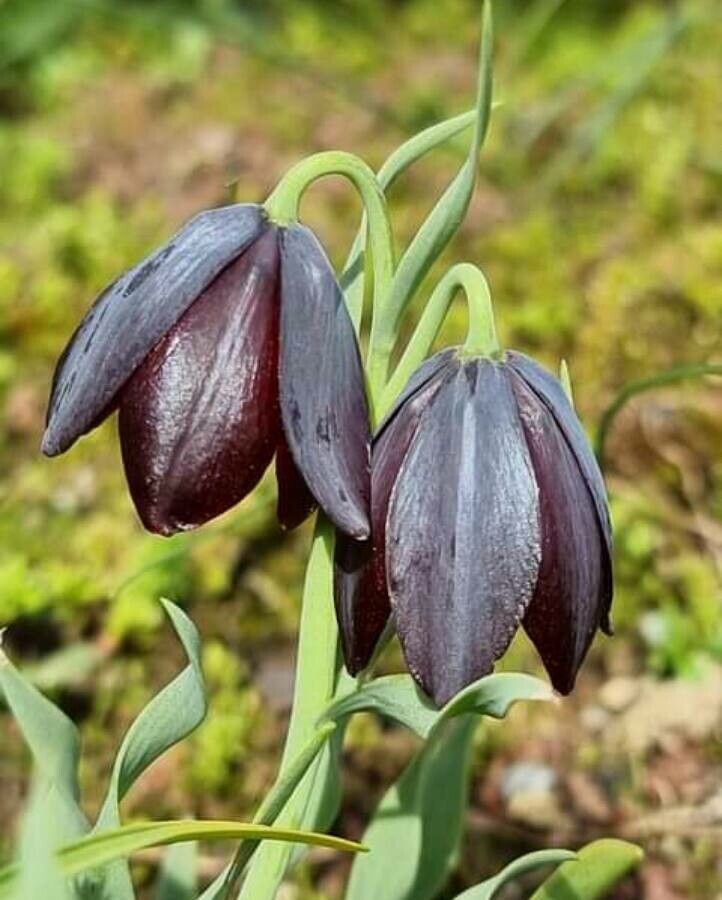
Fritillaria obliqua, also known as the “Checkerboard Lily” for its distinctive checkered pattern, is a delightful addition to any garden. Its unique beauty, with its bell-shaped, maroon-purple flowers, draws the eye and adds a touch of intrigue. But what if you wanted to share this beauty with friends or expand your own collection?
The good news is that Fritillaria obliqua can be successfully propagated, allowing you to enjoy more of these captivating blooms. Here’s a breakdown of the most effective methods to ensure happy and healthy new plants:
1. Seed Propagation: A Journey of Patience
Seed propagation is the most common method for Fritillaria obliqua, while also being a patient’s game. Here’s a step-by-step guide:
- Harvest Seeds: After flowering, the seed pods will mature and become brown and papery. Gently collect these pods and let them dry in a warm, airy location. Once dry, the seeds will easily separate from the pods.
- Sowing: Sow your seeds in autumn, ideally directly into well-drained soil in a shaded area. You can also start them indoors in seed trays filled with a seed-starting mix, but keep them cool—around 40 degrees Fahrenheit—for 8 weeks.
- Germination and Growth: Expect seedlings to emerge in the spring. It may take 1-2 years for your seedlings to reach flowering size.
2. Division: A Faster Route to Blooms
Division is a quicker way to obtain flowering Fritillaria obliqua; however, it’s important to remember that it’s best done only when the plant is actively growing.
- Timing: The best time to divide your Fritillaria obliqua is in spring, after the plant has flowered.
- Process: Carefully dig up the plant, making sure to avoid damaging the bulbs. Gently separate the bulbs, ensuring each section has healthy roots and foliage.
- Replanting: Replant your divided bulbs in well-drained soil, providing them with adequate space to grow and flourish. Remember to water them regularly.
3. Bulb Offsets: A Small but Bountiful Harvest
Much like dividing existing plants, bulb offsets offer a route to more plants, but on a smaller – and even easier – scale.
- Timing: Bulb offsets can typically be removed in the fall, when they are in dormancy.
- Process: Gently dig up the parent bulb and gently separate any small bulblets that have formed. Avoid any bulb with damage.
- Replanting: Plant these offsets, individually or in small groups, in well-drained soil.
Tips for Success:
- Soil: Fritillaria obliqua thrives in well-drained soil with good aeration.
- Light: These plants prefer partial shade. They don’t do well in direct sunlight.
- Watering: Ensure your Fritillaria receives adequate watering, especially during the growing season, but avoid overwatering.
- Fertilization: Fertilize them in spring with a balanced organic fertilizer to promote healthy growth.
Closing Thoughts:
With their captivating beauty and unique character, Fritillaria obliqua are a treasure for any garden. By understanding these propagation methods, you can expand your collection, share these lovely plants with others, and ensure a beautiful display of checkered lily blooms for many seasons to come. Remember, patience and proper care are key to success!