
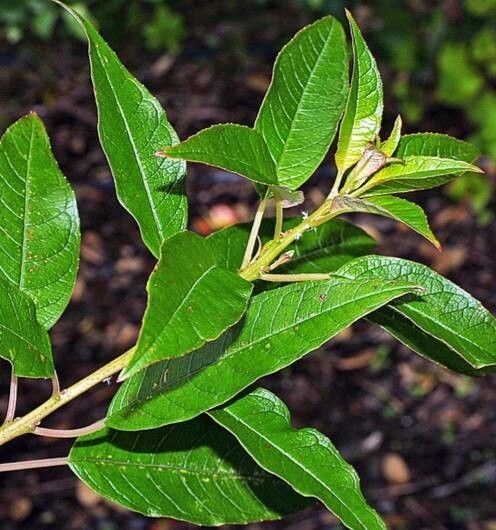
Propagating the Kōtukutuku: A Guide to Fuchsia excorticata Propagation
Introduction:
Fuchsia excorticata, known as the Kōtukutuku in Māori, is a remarkable New Zealand native tree that holds significant horticultural appeal. Its striking, pendulous flowers, ranging from crimson and purple to a delicate white, coupled with its attractive peeling bark, make it a highly desirable addition to gardens. However, its propagation isn’t always straightforward, presenting unique challenges for even experienced gardeners. This article will explore various methods for propagating Fuchsia excorticata, highlighting their viability, challenges, and potential rewards.
Seed Germination:
Currently, there are no known reliable methods for seed germination propagation of Fuchsia excorticata. While seeds may be viable, germination rates are extremely low and inconsistent, rendering this method impractical for most gardeners. Factors like seed dormancy and the sensitivity of seedlings to environmental conditions likely contribute to the difficulties.
Cuttings:
This is the most commonly successful method for propagating Fuchsia excorticata.
Challenges: Cuttings can be slow to root, and success heavily depends on proper technique and environmental conditions. The use of rooting hormone is generally recommended.
Practical Tips: Semi-hardwood cuttings taken in late spring or early summer are ideal. Cuttings should be approximately 10-15cm long, with the lower leaves removed. Dip the cut end in rooting hormone and plant in a well-draining propagation mix (such as perlite and peat moss). Keep the cuttings consistently moist but not waterlogged under a humidity dome or in a propagator. A slightly warmer temperature (around 20-24°C) assists rooting. Patience is key, as root development can take several weeks.
- Rewards: Cuttings are a relatively simple method, offering a genetically identical clone of the parent plant, ensuring the preservation of desirable traits. This method is suitable for smaller-scale propagation.
Division:
Division is generally not a viable method for propagating Fuchsia excorticata. Unlike some other plants that readily produce offsets or suckers, the root system of Fuchsia excorticata typically doesn’t lend itself to this form of propagation.
Tissue Culture:
Tissue culture presents a potential avenue for large-scale propagation of Fuchsia excorticata.
Challenges: Tissue culture requires specialized equipment, sterile conditions, and expertise. It is a more technically demanding and expensive method compared to cuttings.
Practical Tips: This method requires a controlled environment and a skilled hand. It involves cultivating plant tissue in a nutrient-rich medium under sterile conditions to generate multiple plants from a small sample. Success depends on careful selection of explant material and appropriate nutrient formulations.
- Rewards: Tissue culture enables the rapid production of a large number of genetically identical plants, ideal for conservation efforts or commercial nurseries. It allows for the propagation of rare or difficult-to-propagate cultivars.
Conclusion:
Propagating Fuchsia excorticata presents a unique challenge, with cuttings proving the most reliable method among the options outlined. While seed propagation remains unreliable, and division is largely impossible, the potential of tissue culture for large-scale production holds promise. The rewards, however, offset the difficulties. The satisfaction of successfully nurturing a cutting into a mature Kōtukutuku, or even mastering the intricate art of tissue culture propagation, is immense. For aspiring propagators, patience and persistence are paramount. Begin with the more manageable cutting method, carefully observing and adjusting your technique as needed. Don’t be discouraged by initial setbacks – the journey is as rewarding as the destination. The successful propagation of this beautiful tree contributes not only to the beauty of our gardens but also actively supports the conservation of a cherished native species.