
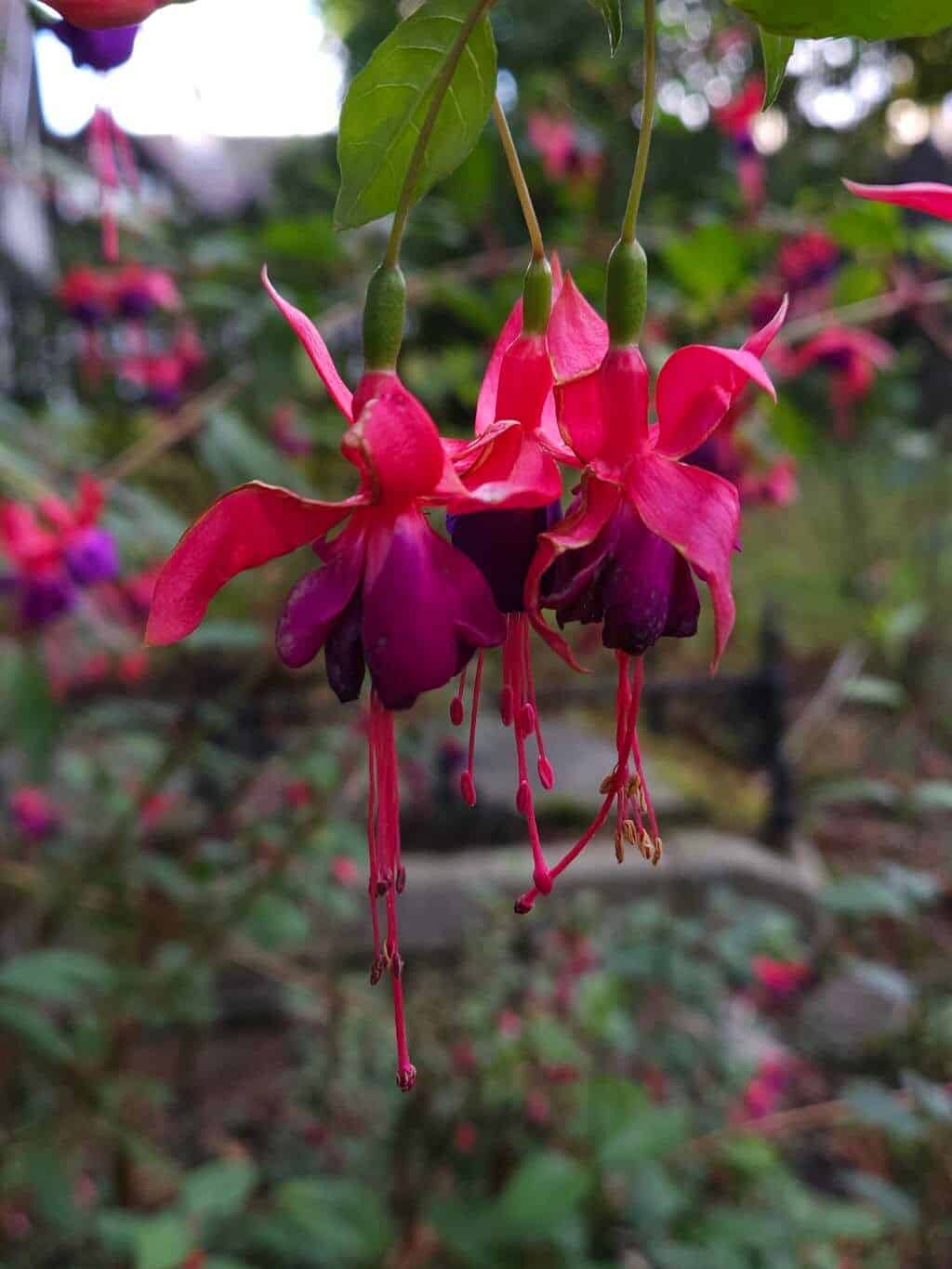
Unlocking the Secrets of Fuchsia Magellanica Propagation: Grow Your Own Dazzling Hummingbird Magnet!
Fuchsia magellanica, also known as the hummingbird fuchsia or hardy fuchsia, is a show-stopping shrub that draws gasps of admiration and, as its name suggests, a flurry of hummingbirds with its exotic, pendulous blooms. But did you know that propagating your own fuchsia beauties is surprisingly easy? Whether you’re a seasoned gardener or a green thumb newbie, this guide will equip you with the knowledge to multiply your fuchsia collection and create a vibrant, hummingbird-friendly haven.
Why Propagate?
Propagation, the process of creating new plants from existing ones, offers a multitude of benefits:
- Cost-Effective: Expand your garden without breaking the bank by generating free plants.
- Preserves Desired Traits: Ensure your new plants inherit the exact characteristics, like flower color and size, of your favorite fuchsias.
- Rewarding Experience: Witness the magic of plant reproduction firsthand and experience the joy of nurturing new life.
Best Time for Propagation:
While fuchsia magellanica can be propagated throughout the year, the optimal time is during the active growing season – spring and early summer. This period boasts warmer temperatures and increased daylight hours, providing ideal conditions for successful rooting.
Two Tried and True Methods:
1. Stem Cuttings:
- Select Healthy Stems: Choose vigorous, non-flowering shoots about 4-6 inches long.
- Prepare the Cutting: Using a sharp, sterilized knife or pruning shears, make a clean cut just below a leaf node (where the leaf attaches to the stem). Remove the lower leaves.
- Rooting Hormone (Optional): While not essential, dipping the cut end in rooting hormone can significantly increase the success rate and speed up root development.
- Planting Medium: Use a well-draining mix, such as equal parts peat moss and perlite or vermiculite.
- Insert and Water: Plant the cuttings about 2 inches deep, ensuring the leaf nodes are buried. Water thoroughly and maintain consistent moisture.
- Create a Humid Environment: Cover the cuttings with a clear plastic bag or use a propagation dome to trap moisture and simulate a greenhouse environment.
2. Layering:
- Choose a Flexible Stem: Select a healthy, low-growing stem that can easily reach the ground.
- Wound the Stem: Gently scrape or make a small cut on the underside of the stem, about 6 inches from the tip.
- Bury the Wounded Section: Dig a shallow trench, bend the stem down, and bury the wounded portion about 2-3 inches deep. Secure with a landscape pin or rock.
- Water Regularly: Keep the soil consistently moist.
- Check for Roots: After 6-8 weeks, gently tug on the layered stem. Resistance indicates successful rooting.
- Sever and Transplant: Carefully cut the rooted layer from the parent plant and transplant it to a desired location.
Caring for Your New Fuchsias:
- Bright, Indirect Light: Place your newly propagated fuchsias in a location with bright, indirect sunlight.
- Consistent Watering: Keep the soil consistently moist but avoid overwatering, which can lead to root rot.
- Fertilize Regularly: Once established, feed your fuchsias with a balanced, water-soluble fertilizer during the growing season.
By following these simple steps, you’ll be well on your way to propagating your own fuchsia magellanica plants and creating a dazzling floral display that will enchant both you and your feathered friends!