
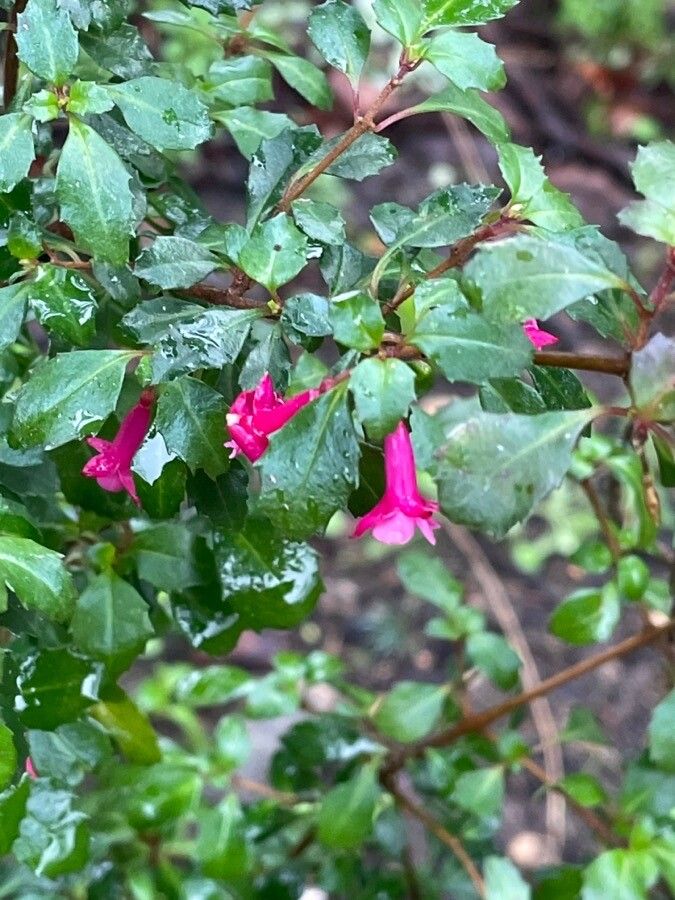
From Snipping to Thriving: Propagating Fuchsia Microphylla for a Garden Full of Blooms
Fuchsia microphylla, with its delicate, cascading blooms, is a true delight for any garden. But what if you could have even more of these charming plants? The good news is, propagating fuchsia microphylla is remarkably easy and rewarding. Get ready to transform a few cuttings into a flourishing display of color!
The Magic of Propagation:
Propagation is the art of creating new plants from existing ones, often using cuttings. It’s like cloning your favorite plant to fill your garden with identical blossoms. This method is a lifesaver for gardeners who want to expand their collection without spending a fortune on new plants.
Getting Started with Fuchsia Microphylla:
- Timing is Everything: The best time to take cuttings is in spring or summer when the plant is actively growing.
- Choosing the Right Cuttings: Select healthy, non-flowering stems that are about 4-6 inches long. Aim for stems with at least three leaf nodes (the points where leaves sprout).
- Prepare Your Cuttings: Using a sharp knife or scissors, make a clean cut just below a leaf node. Remove any leaves below the bottom node. You’ll be leaving just a few leaves at the top for photosynthesis.
Methods to Multiply Your Joy:
1. Water Propagation: This is the simplest method for beginners. Fill a jar or glass with water and place the cuttings in it. Change the water every few days to prevent bacteria growth and encourage root development. Within a couple of weeks, you should see tiny rootlets forming. Once the roots are at least an inch long, you can plant the cuttings in potting mix.
2. Soil Propagation: This method requires a bit more patience but is just as effective.
- Prepare a small pot with a well-draining potting mix.
- Gently dip the cut ends of the cuttings in rooting hormone, a powder that stimulates root growth.
- Plant the cuttings, about 1/4 of the way into the soil, ensuring at least one node is buried.
- Cover the pot with a clear plastic bag to create a humid environment.
- Place the pot in a bright, indirect light location.
- Keep the soil consistently moist.
- Within a few weeks, new growth should appear, signifying successful rooting.
Essential Tips for Success:
- Keep It Humid: Maintaining a consistently humid environment is crucial for successful propagation. That’s why the plastic bag method is so effective.
- Patience is Key: While you might see signs of new growth within a few weeks, it can take several months for cuttings to fully establish roots and become strong enough to be transplanted outdoors.
- Beware of Overwatering: Fuchsia microphylla thrives in well-draining soil. Overwatering can lead to root rot, so allow the soil to dry slightly between waterings.
Beyond the Basics:
- Fuchsia microphylla can also be propagated from seeds. Collect the seeds from ripe fruit capsules and sow them in seed trays filled with a light and airy seed-starting mix.
- Experiment with different propagation methods. Find what works best for you and your local climate.
With the right approach and a little patience, propagation is a fun and rewarding experience. Soon, you’ll be surrounded by a vibrant sea of fuchsia microphylla blooms, all thanks to your own green thumb. So, don’t hesitate to take a cutting and embark on your own propagation journey!