
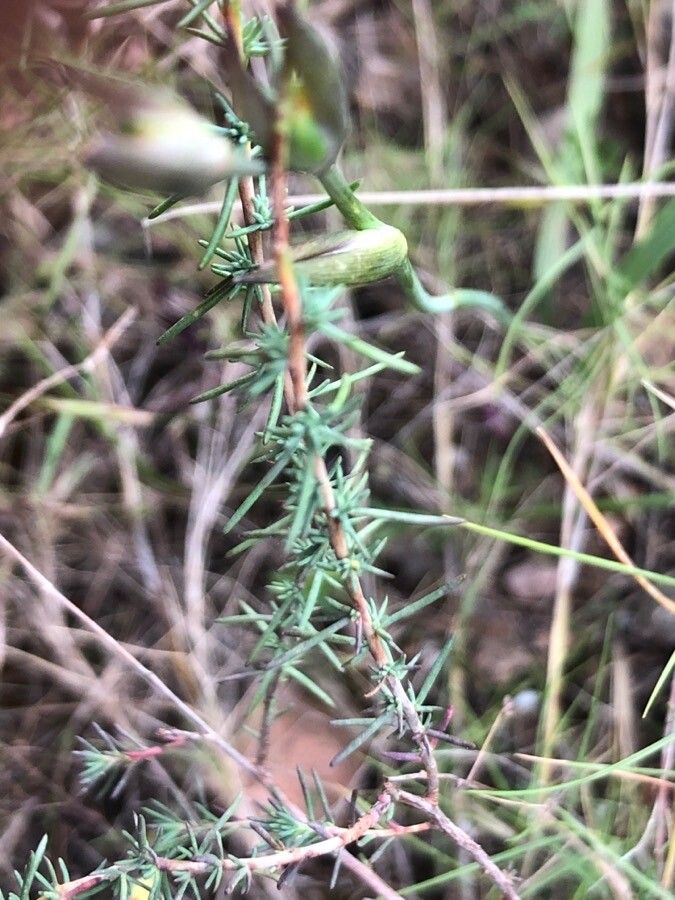
Grow Your Own Sun-Kissed Beauty: Propagating Fumana laevipes
Fumana laevipes, with its dainty, yellow flowers and low-growing, mat-forming habit, is a true gem for any sunny garden. But did you know, expanding your collection of these resilient and beautiful plants can be as simple as taking a cutting?
Yes, propagating Fumana laevipes is surprisingly easy and rewarding. This article will guide you through the process, ensuring you can enjoy a flourishing abundance of these sun-loving delights in your garden.
The Magic of Propagation
Propagation allows you to multiply your existing plants without having to buy new ones. Not only is it cost-effective, but it also allows you to share your love for gardening with friends and family. You can even create a diverse collection of Fumana laevipes, playing with different varieties and colors.
The Preferred Method: Semi-Hardwood Cuttings
Fumana laevipes thrives when propagated through semi-hardwood cuttings. This method involves taking cuttings from new growth that has matured but is still flexible. Here’s how:
- Timing is Key: The best time to take cuttings is in the late spring or early summer. Look for stems that are about 4-6 inches long, with a few leaf nodes.
- Cut With Precision: Use a clean, sharp knife or pruning shears to make a clean cut just below a leaf node. This is where roots will eventually develop.
- Prepare the Cutting: Remove any leaves that will be below the soil line. This minimizes the chance of rot.
- Boost Rooting: Dip the cut end of the cutting into a rooting hormone powder or solution. This enhances rooting success.
- Potting Up: Plant the cuttings in a pot filled with a well-draining potting mix. Ensure that the soil is moist but not soggy.
- Mist and Cover: Mist the cuttings regularly and place a clear plastic bag over the pot to create a humid environment. This encourages rooting.
- Patience is Virtue: Keep the cuttings in a bright, warm location, out of direct sunlight. Rooting typically takes 4-6 weeks.
- Time for Transplanting: Once the cuttings have rooted, slowly acclimate them to being outside before transplanting them into your garden bed.
Alternative Propagation Methods
While semi-hardwood cuttings are the most common method, Fumana laevipes can also be propagated through other methods.
- Seed Propagation: Fumana laevipes does produce seeds, but this method is typically less efficient than taking cuttings.
- Division: Mature plants can be divided into smaller plants in the spring. However, these methods are best suited for larger, established plants.
Tips for Success
- Sterilize: Clean your pruning shears with rubbing alcohol before and after taking cuttings to prevent the spread of diseases.
- Light and Water: Ensure the cuttings receive bright, indirect light. Keep the soil consistently moist, but avoid overwatering.
- Don’t Rush: Be patient. Rooting takes time, and it’s important not to disturb the cuttings too much during the initial stages.
Conclusion
Propagating Fumana laevipes is a rewarding experience, allowing you to create a diverse collection of these lovely plants. With the right techniques and a bit of patience, you can witness the magic of propagation and enjoy the beauty of Fumana laevipes in your garden for years to come. So, grab your pruning shears and get ready to cultivate a symphony of sun-kissed beauty!