
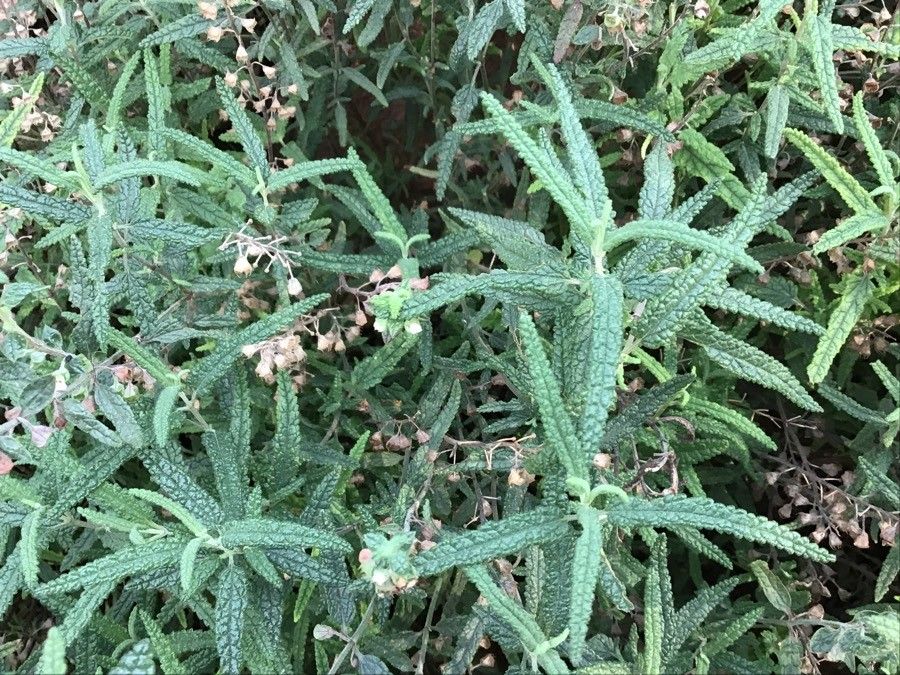
Taming the Sunlover: Propagating Fumana Laevis for a Mediterranean Flair
Fumana laevis, the charming sunrose native to the Mediterranean, captivates with its delicate, star-shaped flowers and resilient nature. While readily available in nurseries, propagating Fumana laevis offers a rewarding challenge for the home gardener, allowing you to multiply your collection and share this Mediterranean gem with others.
This guide delves into the two most effective methods for propagating Fumana laevis:
1. Seed Propagation: A Journey of Patience and Reward
While slightly more time-consuming, starting Fumana laevis from seed offers a satisfying experience for plant enthusiasts. Here’s how:
- Seed Collection: Collect seeds from mature capsules in late summer or early fall. As the capsules dry, they turn brown and split open, revealing tiny, black seeds.
- Stratification: Fumana laevis seeds benefit from cold stratification, mimicking their natural winter dormancy. Place seeds in a moist paper towel, seal them in a plastic bag, and store them in the refrigerator for 4-6 weeks.
- Sowing: After stratification, sow seeds in a well-draining seed starting mix. Sprinkle seeds on the surface and lightly press them into the soil, ensuring they receive ample light.
- Germination: Maintain a consistent moisture level and keep the temperature around 65-70°F (18-21°C). Germination can take anywhere from a few weeks to a couple of months.
- Transplanting: Once seedlings develop a couple of true leaves, carefully transplant them into individual pots or your desired outdoor location.
2. Semi-Hardwood Cuttings: A Quicker Route to Success
For a quicker propagation method, semi-hardwood cuttings provide a higher success rate and allow you to replicate the characteristics of the parent plant:
- Timing: The optimal time to take semi-hardwood cuttings is in late summer or early fall when the plant is actively growing but the stems have begun to harden slightly.
- Selecting Cuttings: Choose healthy, non-flowering stems that are 3-4 inches long. Make a clean cut just below a leaf node using sharp, sterilized pruning shears.
- Preparing the Cuttings: Remove the lower leaves from the cutting, leaving 2-3 leaves at the top.
- Hormone Treatment: (Optional but recommended) Dip the cut end of the stem in rooting hormone powder to encourage faster root development.
- Planting the Cuttings: Plant each cutting in a pot filled with a well-draining potting mix. Make a small hole using a pencil and gently insert the cutting, ensuring the leaf nodes are buried beneath the surface.
- Creating a Humid Environment: Cover the pot with a plastic bag or humidity dome to maintain moisture. Place the cutting in a bright location out of direct sunlight.
Rooting: Check for root development after a few weeks by gently tugging on the cutting. Once roots are established, you can gradually acclimate the new plant to outdoor conditions before transplanting.
Caring for your Fumana Laevis Progeny
Whether you choose seed propagation or cuttings, Fumana laevis thrives in well-drained soil and full sun exposure. Water regularly during the establishment phase but allow the soil to dry out slightly between waterings. Once established, this hardy plant requires minimal maintenance, rewarding you with a stunning display of star-shaped blooms each spring.
Propagating Fumana laevis offers a rewarding experience for gardeners of all levels. By following these simple guidelines, you can successfully multiply your collection, transforming your landscape with the Mediterranean charm of this sun-loving gem.