
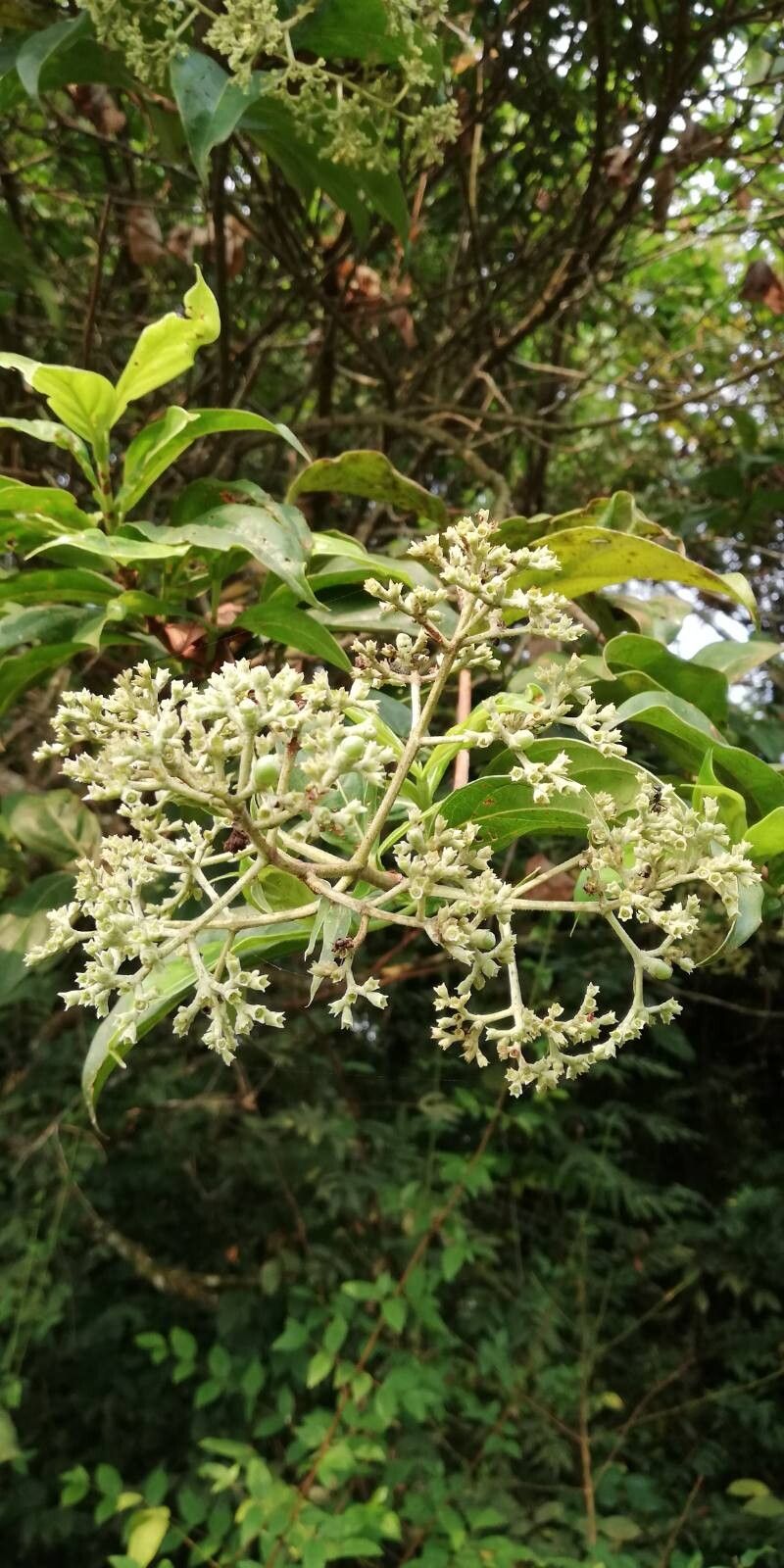
Unlocking the Secrets of Gaertnera Paniculata Propagation: A Guide to Growing This Tropical Beauty
The Gaertnera paniculata, with its lush foliage and delicate, fragrant flowers, is a true tropical treasure. This exotic beauty, native to the islands of the Indian Ocean, can bring a touch of the tropics to your home or garden, but propagating it can seem like a mysterious art. Fear not, fellow plant enthusiasts! This comprehensive guide will unlock the secrets of successfully propagating Gaertnera paniculata, empowering you to expand your plant family or share this stunning species with others.
Two Paths to Propagation:
Gaertnera paniculata can be propagated through two primary methods:
Seed Propagation: While possible, propagating from seeds can be slow and unpredictable. Seeds are not readily available commercially, and germination rates can be low and inconsistent. If you’re lucky enough to source fresh seeds from a mature plant, sow them in a well-draining seed-starting mix, keep them consistently moist, and provide warmth and humidity. Be patient; germination can take several weeks or even months.
Stem Cuttings: This method is generally preferred for its higher success rate and faster results. It involves taking cuttings from a healthy mother plant and encouraging them to develop roots. Here’s a step-by-step breakdown of this method:
- Timing is Key: The best time for taking cuttings is during the plant’s active growing season, typically spring or early summer.
- Selecting the Cuttings: Choose healthy stems that are firm and free from disease or pests. Ideally, select sections that are 4-6 inches long and have at least two nodes (the small bumps on the stem where leaves emerge).
- Preparing the Cuttings: Using a sharp, sterilized knife or pruning shears, make a clean cut just below a node. Remove any leaves from the bottom inch or two of the cutting to prevent them from rotting in the rooting medium.
- Rooting Hormone (Optional): While not strictly necessary, dipping the cut end of the stem in rooting hormone can significantly enhance root development. Follow the instructions on the product label for best results.
- Planting the Cuttings: Plant the cuttings in a well-draining rooting medium that retains moisture but doesn’t become waterlogged. A mixture of peat moss and perlite or vermiculite works well. Make sure the nodes are buried in the medium.
- Creating a Humid Environment: Gaertnera paniculata cuttings thrive in high humidity. Create a mini-greenhouse by covering the pot with a clear plastic bag or using a humidity dome. This helps retain moisture and promotes faster rooting.
- Light and Temperature: Place the cuttings in a bright location with indirect sunlight. Avoid direct sun exposure, which can scorch the delicate cuttings. Maintain a warm temperature between 70-75°F (21-24°C).
- Patience is a Virtue: Rooting can take several weeks to a couple of months. You’ll know roots have formed when you see new growth emerging from the cutting.
Nurturing Your New Plants:
Once the cuttings have developed a strong root system, you can carefully transplant them into individual pots filled with well-draining potting mix. Continue to provide bright, indirect light, warmth, and moderate humidity as you gradually acclimate them to their new environment.
Propagating Gaertnera paniculata can be a rewarding experience, allowing you to grow new plants from your existing collection and share the beauty of this tropical gem with others. By following these tips and techniques, you’ll be well on your way to becoming a confident propagator of this stunning and unique plant.