
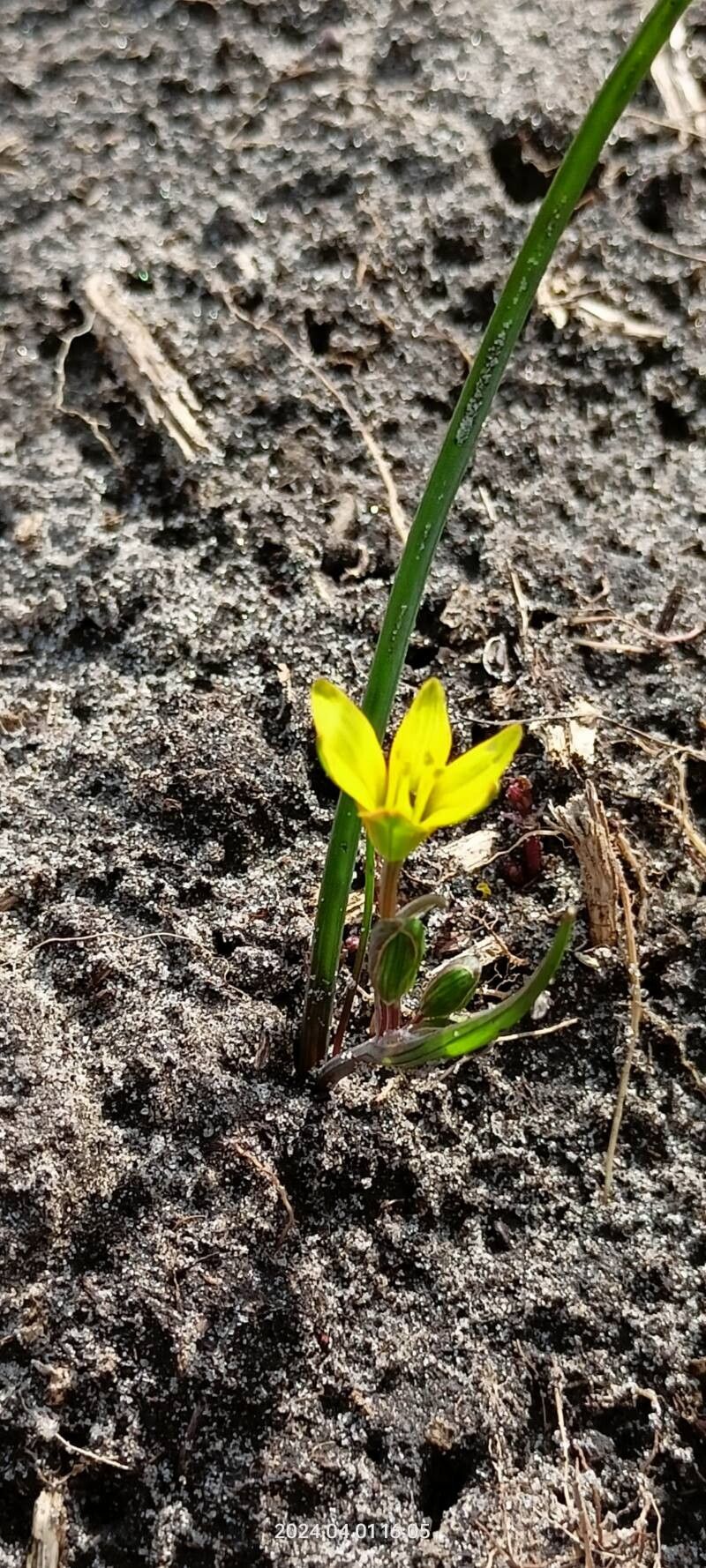
Multiplying Meadow Gold: Propagating the Yellow Star-of-Bethlehem (Gagea pratensis)
The Yellow Star-of-Bethlehem (Gagea pratensis) might not be a household name, but this charming little bulb packs a visual punch. Each spring, it unfurls vibrant yellow star-shaped flowers, adding a dash of sunshine to meadows, lawns, and even sidewalk cracks across Europe. If you’re lucky enough to have some gracing your garden, you might be wondering how to encourage their spread. Let’s delve into the world of Gagea pratensis propagation and unlock the secrets to multiplying these miniature marvels.
Two Paths to Proliferation: Seeds and Bulbs
Nature offers two primary methods for Gagea pratensis propagation – seeds and bulbs. Each comes with its own set of advantages and considerations:
1. The Seed Route: A Journey of Patience
Gagea pratensis produces tiny seeds tucked within capsules that form after flowering. While collecting and sowing these seeds is possible, it’s considered the more challenging route. Here’s why:
- Time Commitment: Seed-grown plants take longer to reach maturity and flower, often requiring a couple of years.
- Viability Factors: Seed germination rates can be variable, influenced by factors like seed freshness and environmental conditions.
How to sow Gagea pratensis seeds:
- Collect ripe seed capsules when they turn brown and start to split open.
- Gently extract the seeds and allow them to dry for a few days.
- Sow seeds in a well-drained seed-starting mix, barely covering them with soil.
- Keep the soil consistently moist and place the pot in a bright location, but out of direct sunlight.
- Be patient! Germination might take several weeks or even months.
2. The Bulb Express: A Faster Track to Flowers
For a more predictable and expedited approach, bulb propagation is the way to go. Gagea pratensis forms small bulblets around the main bulb, offering an easy way to increase your stock:
- Efficiency is Key: Bulblet propagation ensures you’re replicating the exact plant, preserving desirable traits.
- Quicker Blooms: Since you’re starting with a more developed structure, expect flowers sooner than with seed propagation.
How to propagate Gagea pratensis from bulbs:
- After flowering, carefully dig up a clump of Gagea pratensis.
- Gently separate the bulblets from the mother bulb.
- Replant the bulblets immediately at a depth of about 5 cm and a spacing of 8-10 cm apart in a well-drained soil.
- Water well and maintain consistent moisture.
Nurturing Your New Arrivals
Whether you choose the seed or bulb route, providing the right growing conditions is crucial for success:
- Well-Drained Soil: Gagea pratensis prefers soil that doesn’t stay soggy, especially during its dormant period.
- Sun or Shade? While they appreciate some sun, these plants tolerate partial shade, making them suitable for a variety of garden spots.
- Water Wisely: Consistent moisture is essential, especially during the growing season, but avoid overwatering, which can lead to bulb rot.
The Rewards of Propagation
Propagating Gagea pratensis, though requiring patience and care, reaps beautiful rewards. Imagine swaths of these cheerful yellow stars gracing your garden each spring, a testament to your dedication and a stunning display for early pollinators. So why not give it a try? You might just discover a new passion for propagating these miniature wonders.