
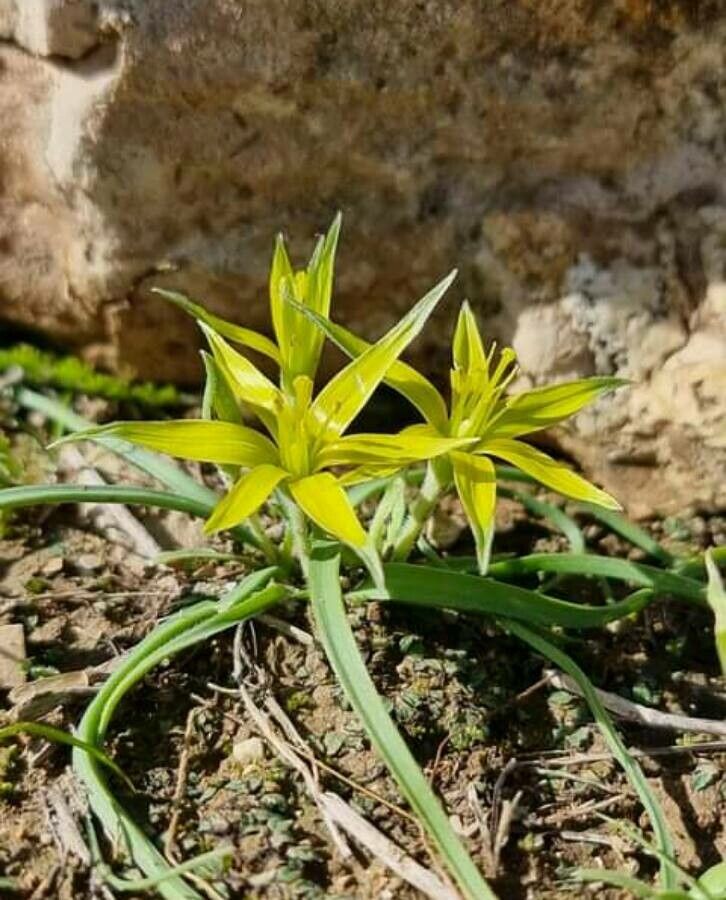
Propagating Gagea rigida: A Gardener’s Guide to the Stiff Yellow Star-of-Bethlehem
Introduction
Gagea rigida, commonly known as the stiff yellow star-of-Bethlehem, is a charming bulbous perennial prized for its bright yellow, star-shaped flowers that appear in early spring. These cheerful blooms make it a popular choice amongst gardeners interested in adding early colour to their borders or rock gardens. Its relatively compact size and tolerance of various conditions, combined with its ease of propagation (principally through division), contribute to its appeal. While seeds are produced, their germination presents significant challenges, making other methods more reliable for successful propagation.
Seed Germination
Currently, there are no known reliable methods for seed germination propagation of Gagea rigida. While the plant does produce seeds, their germination rate is extremely low and unpredictable, likely due to dormancy requirements that haven’t been fully characterized scientifically. Further research is needed to determine if specific stratification or pre-treatment techniques could improve germination success.
Cuttings
Cuttings are not a viable propagation method for Gagea rigida. This species, like other geophytes, relies on its underground bulb for vegetative propagation and lacks the ability to regenerate from stem or leaf cuttings.
Division
Division is the most reliable and successful method for propagating Gagea rigida. This involves carefully separating the bulb clusters into individual bulbs or small clumps, each with attached roots and a portion of the stem base.
- Challenges: The main challenge lies in avoiding damage to the delicate bulbs and roots during the division process. Overly aggressive separation can lead to reduced establishment and poor growth.
- Practical Tips: The best time for division is after flowering, when the foliage is still actively growing, but before it begins to senesce. Gently lift the existing clump, carefully teasing apart the individual bulbs or small offsets with a fork or your hands. Ensure each division has a healthy root system. Replant immediately, ensuring good soil contact.
- Rewards: Division is relatively straightforward and offers a high success rate. It allows for quick multiplication of existing plants, enabling gardeners to easily increase their stock of Gagea rigida without waiting for seed germination.
Tissue Culture
Tissue culture propagation of Gagea rigida is not commonly practiced by home gardeners due to its technical complexity and specialized equipment requirements. This method may hold potential for large-scale commercial propagation, but is currently not a readily accessible method for the average gardener.
Conclusion
Propagating Gagea rigida presents a mixed bag of challenges and rewards. While seed propagation remains unreliable, division offers a highly successful, straightforward, and rewarding approach. The care required during the division process, the gentle handling of the delicate bulbs and the satisfaction of subsequently seeing those small divisions flourish into vibrant clumps of yellow stars in the following spring, undeniably makes it a deeply fulfilling experience.
For the aspiring propagator of Gagea rigida, mastering the art of division is key to success. With patience and gentle handling, you can quickly amplify this cheerful spring ephemeral, adding a touch of wildflower beauty to your garden and experiencing the deep satisfaction of cultivating life from a tiny bulb. Remember to treat your plants with care, and enjoy the journey of bringing more of these charming daffodil cousins into your garden.