
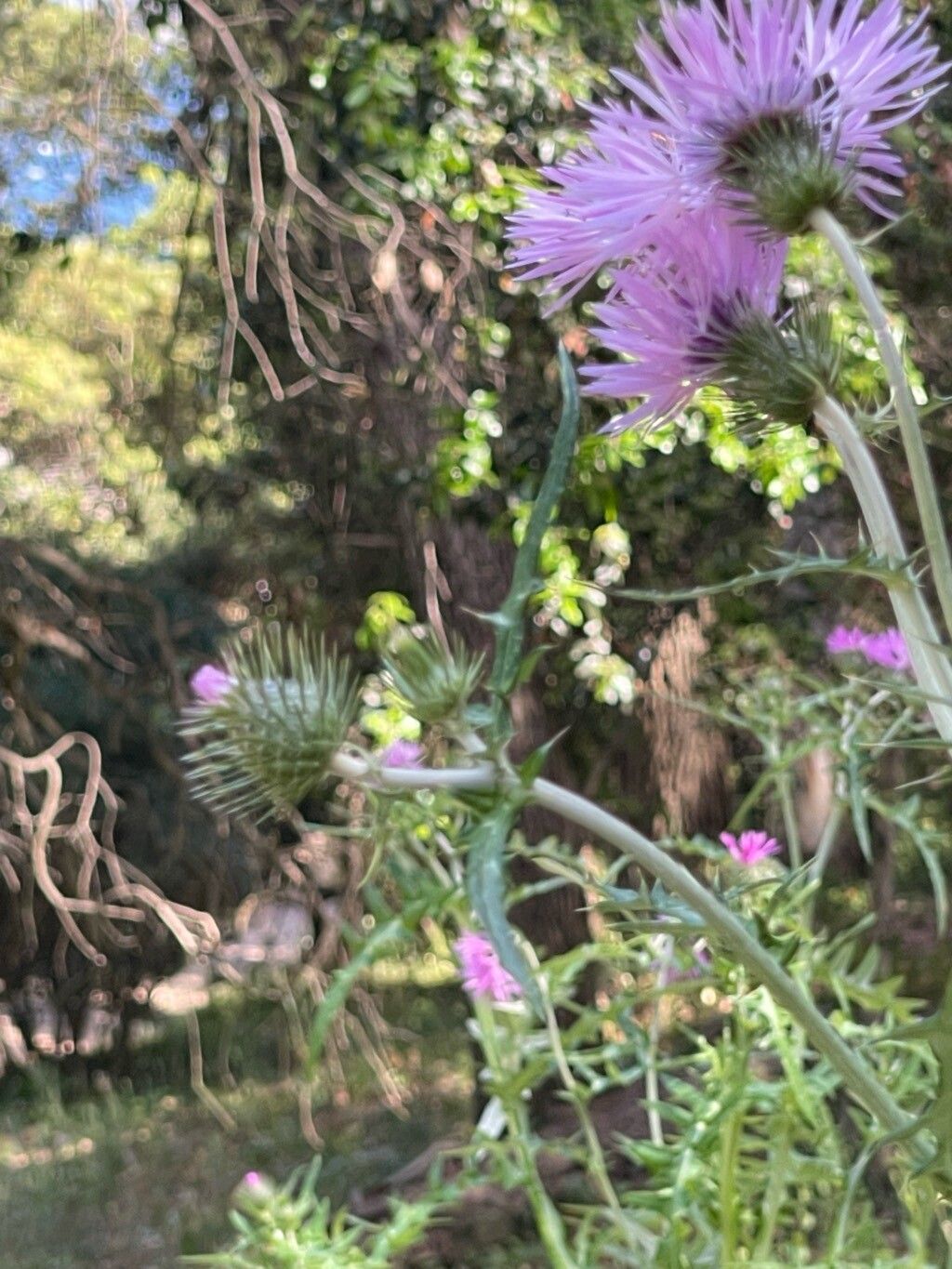
Propagating the Woolly Thistle (Galactites tomentosus): A Gardener’s Challenge
Introduction:
Galactites tomentosus, commonly known as the woolly thistle, is a striking biennial or short-lived perennial with silvery-white, woolly leaves and vibrant purple thistle-like flowers. Native to the Mediterranean region, it’s increasingly popular among gardeners drawn to its unique appearance and resilience. However, propagating this plant presents certain challenges, making successful cultivation all the more rewarding. While its striking appearance makes it desirable, its propagation methods are not widely documented, adding to the intrigue.
Seed Germination:
Seed germination for Galactites tomentosus is a viable, albeit challenging, method. The seeds require a period of cold stratification to break dormancy, mimicking the natural winter conditions experienced in their native habitat. This typically involves mixing the seeds with moist vermiculite or peat moss and storing them in a refrigerator at approximately 4°C (39°F) for 6-8 weeks. After stratification, sow the seeds thinly in well-draining seed-starting mix, covering them lightly. Maintain consistent moisture but avoid overwatering, which can lead to fungal diseases. Germination usually occurs within 2-4 weeks after sowing, but success rates can be variable. Challenges include erratic germination rates and susceptibility to damping-off (a fungal disease common in young seedlings). The rewards, however, are significant – seed propagation offers the most genetic diversity and potential for large-scale propagation of this attractive plant.
Cuttings:
Currently, there are no known reliable methods for propagating Galactites tomentosus from cuttings. Woolly thistle cuttings have a low success rate due to their tendency to rot before rooting. Further research could explore the use of rooting hormones and specific propagation techniques, but at present, this method is not recommended.
Division:
Division is another method worth attempting, though it has limitations. Division is only feasible for established plants. Carefully dig up the plant, ideally in early spring or autumn, and separate the root crown into several smaller divisions, ensuring each division has healthy roots and shoots. Plant each division immediately in well-drained soil and keep it consistently moist until established. While simpler than seed propagation, the limited number of divisions obtainable from a single plant makes this less ideal for large-scale propagation. Success depends largely on the health and size of the parent plant.
Tissue Culture:
Tissue culture propagation of Galactites tomentosus is largely unexplored. While this method holds the potential for rapid and large-scale propagation, it requires specialized equipment, sterile conditions, and expertise in plant tissue culture techniques. It is not currently a readily accessible method for the average home gardener.
Conclusion:
Propagating Galactites tomentosus presents unique challenges across all methods explored. Seed germination, while possible with cold stratification, has variable success rates and requires patience and attention to detail. Cuttings and division offer less reliable options. Tissue culture remains largely an untested avenue. The rewards, however, are well worth the effort. Successfully propagating this striking thistle offers a unique sense of accomplishment, a testament to perseverance in the face of horticultural challenges. For aspiring propagators, we recommend starting with seed germination, paying close attention to the stratification process and maintaining a vigilant watch for fungal diseases. While the journey may be challenging, the beauty of the resulting woolly thistle blooms makes the dedication worthwhile.