
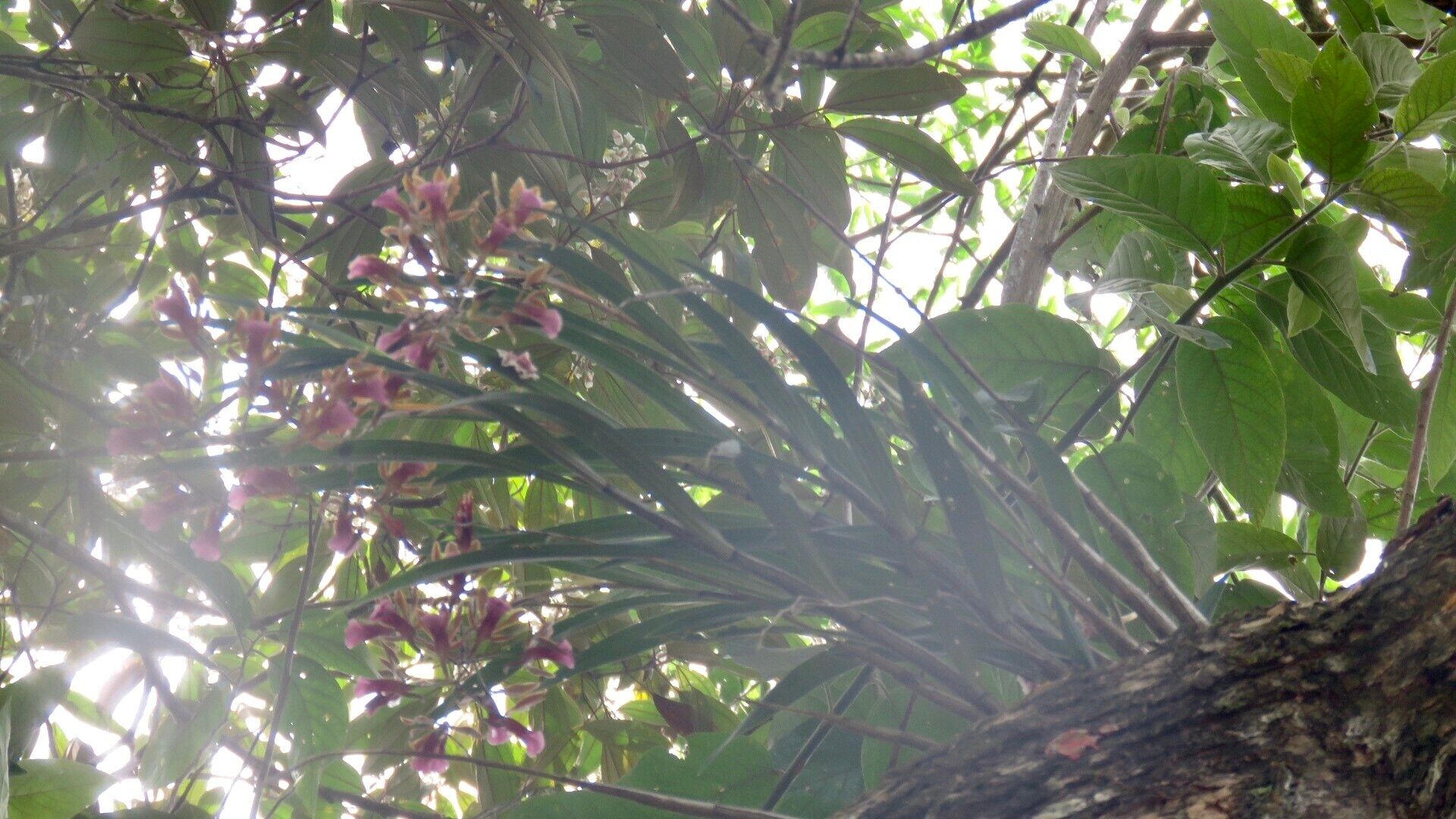
Propagating Galeandra stangeana: A Gardener’s Guide to the Stange’s Galeandra
Galeandra stangeana, commonly known as Stange’s Galeandra, is a captivating orchid species prized for its striking, pendulous inflorescences bearing uniquely shaped flowers. The blooms, often exhibiting a blend of yellows, greens, and browns, are a captivating sight, contributing to its popularity among orchid enthusiasts. Its relatively rare occurrence in cultivation, however, makes propagation a particularly rewarding, though often challenging, endeavor. This article explores various methods for propagating this fascinating orchid, outlining their viability and associated difficulties.
Seed Germination:
Currently, there are no known reliable methods for seed germination propagation of Galeandra stangeana. Orchid seeds are notoriously minute and require highly specialized symbiotic fungal relationships (mycorrhizae) for successful germination. While some orchid species can be successfully germinated in sterile laboratory conditions, this has not yet been achieved for G. stangeana, making seed germination an impractical method for the home grower.
Cuttings:
Cuttings are also not a viable method for propagating Galeandra stangeana. Unlike some other epiphytic orchids, G. stangeana does not readily produce roots from stem cuttings. Attempts at propagation through this method have generally proven unsuccessful.
Division:
Division offers the most reliable method for propagating Galeandra stangeana. This involves carefully separating established mature plants into smaller divisions, each possessing sufficient roots and pseudobulbs.
Challenges: The main challenge lies in ensuring each division has a robust root system and enough healthy pseudobulbs to support its growth. Forcing the division too aggressively can severely weaken or even kill the parent plant and the resulting divisions.
Practical Tips: The best time to divide a Galeandra stangeana is during the active growing season after flowering. Use a sharp, sterile knife or shears to divide the rhizome, aiming for sections with at least three to four pseudobulbs and a healthy root mass. Plant each division immediately into a well-draining orchid potting mix, ensuring the rhizome is not buried too deeply.
Rewards: Division allows for relatively quick multiplication of a desirable plant resulting in multiple plants to enjoy or share.
Tissue Culture:
Tissue culture presents a theoretically viable, though technically advanced, method for propagating Galeandra stangeana.
Challenges: Tissue culture requires specialized equipment, a sterile laboratory environment, and a thorough understanding of plant tissue culture techniques, including media preparation and sterilization. It’s also a time-consuming process with a high potential for contamination and failure.
Practical Tips: This is best left to experienced tissue culture laboratories or highly skilled hobbyists with appropriate resources. Success hinges on meticulously maintaining sterile conditions and utilizing the correct nutrient media optimized for orchid propagation.
Rewards: Tissue culture allows for large-scale propagation and the potential for virus-free clones, preserving the genetic integrity of a valuable plant.
Conclusion:
Propagating Galeandra stangeana presents unique challenges. While seed germination and cuttings are currently infeasible, division provides the most accessible method for home growers. Tissue culture offers a pathway towards large-scale propagation but requires advanced expertise and resources. Successfully propagating this orchid, regardless of the method, is a significant accomplishment that rewards the gardener with the satisfaction of nurturing a rare and beautiful plant. Persistence, careful attention to detail, and a willingness to learn are essential for success. Aspiring propagators are encouraged to start with the division method, mastering the technique before potentially exploring the more complex world of tissue culture. The stunning rewards, both in the increased number of plants and the deep satisfaction gained, make the effort well worth it.