
Unlocking the Secrets: Propagating the Charming Galearis rotundifolia
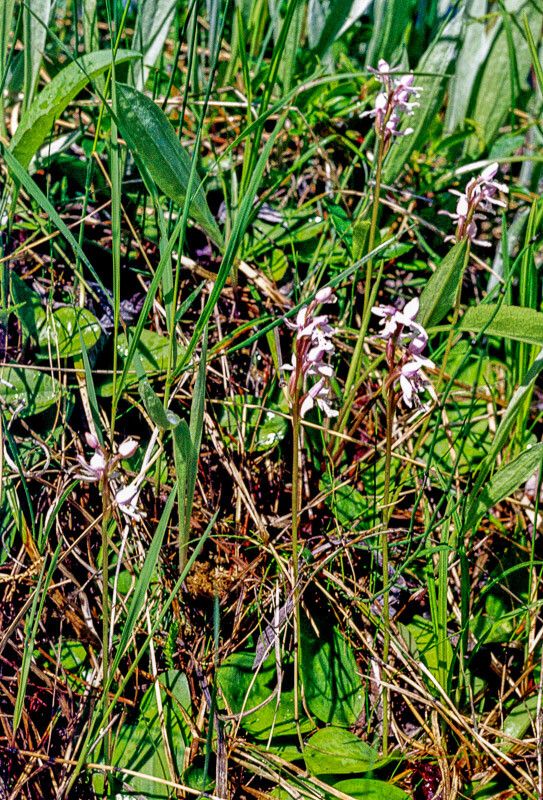
The Galearis rotundifolia, also known as the Small Round-leaved Orchis, is a captivating orchid native to North America. With its delicate flower spikes and unique round leaves, this charming terrestrial orchid possesses an understated beauty that draws in plant enthusiasts. While acquiring mature plants is always an option, propagating your own Galearis rotundifolia can be an incredibly rewarding experience. So, let’s delve into the secrets of multiplying this captivating orchid.
Understanding the Challenges:
Before we embark on the journey of propagation, it’s important to acknowledge that Galearis rotundifolia, like many orchids, can be quite particular. Its propagation is not as straightforward as simply taking cuttings. The key to success lies in understanding the plant’s symbiotic relationship with specific mycorrhizal fungi present in the soil. These fungi are essential for seed germination and the plant’s overall health.
Method 1: Seed Propagation (for the Patient Gardener):
Propagating Galearis rotundifolia from seed can be incredibly rewarding, albeit a slow process. Here’s a breakdown:
- Seed Collection: Collect seed pods from mature plants after the flowering season, ensuring they are dry and starting to split open.
- Sowing the Seeds: Since the seeds require the mycorrhizal fungi, sowing them directly in the vicinity of established Galearis rotundifolia plants offers the best chance of success. Alternatively, you can try using a specialized orchid seed-starting mix that contains the necessary fungal spores. Scatter the seeds on the surface of moist soil, ensuring they are in contact with the medium but not buried.
- Patience is Key: Germination can take anywhere from several months to a year or more. Be patient and provide consistent moisture and indirect light.
Method 2: Division (for a Head Start):
Dividing mature clumps of Galearis rotundifolia offers a faster propagation method, but it requires an existing healthy plant. This method needs to be carried out with care to minimize stress on the plant.
- Timing is Everything: The best time to divide your orchid is during spring when new growth emerges.
- Careful Division: Gently remove the plant from its pot and carefully separate the rhizomes, ensuring each division has at least one active growth point and a good root system.
- Repotting: Repot the divisions in well-draining orchid potting mix, ensuring the uppermost part of the rhizome sits level with the soil surface. Water thoroughly but allow the medium to dry slightly between waterings.
Essential Care for Successful Propagation:
Regardless of your chosen propagation method, providing the right environment is crucial for success:
- Light: Galearis rotundifolia thrives in dappled shade, mimicking their natural woodland habitat. Avoid direct sunlight.
- Water: Maintain consistent moisture, avoiding overwatering which can lead to root rot. Use rainwater or distilled water if possible to avoid mineral buildup.
- Humidity: These orchids appreciate higher humidity levels. Placing a tray of water near the plants or misting them regularly can be beneficial.
- Patience and Observation: Observe your plants closely and adjust your care regimen as needed. Remember that patience is key with orchid propagation, and success is a rewarding testament to your dedication.
Propagating Galearis rotundifolia might seem daunting at first, but with knowledge and care, you can successfully multiply these enchanting orchids. Whether you choose the patience-testing seed propagation or the relatively quicker division method, the joy of witnessing new life emerge makes the effort worthwhile. So, embrace the challenge and unlock the secrets of propagating these captivating botanical treasures.