
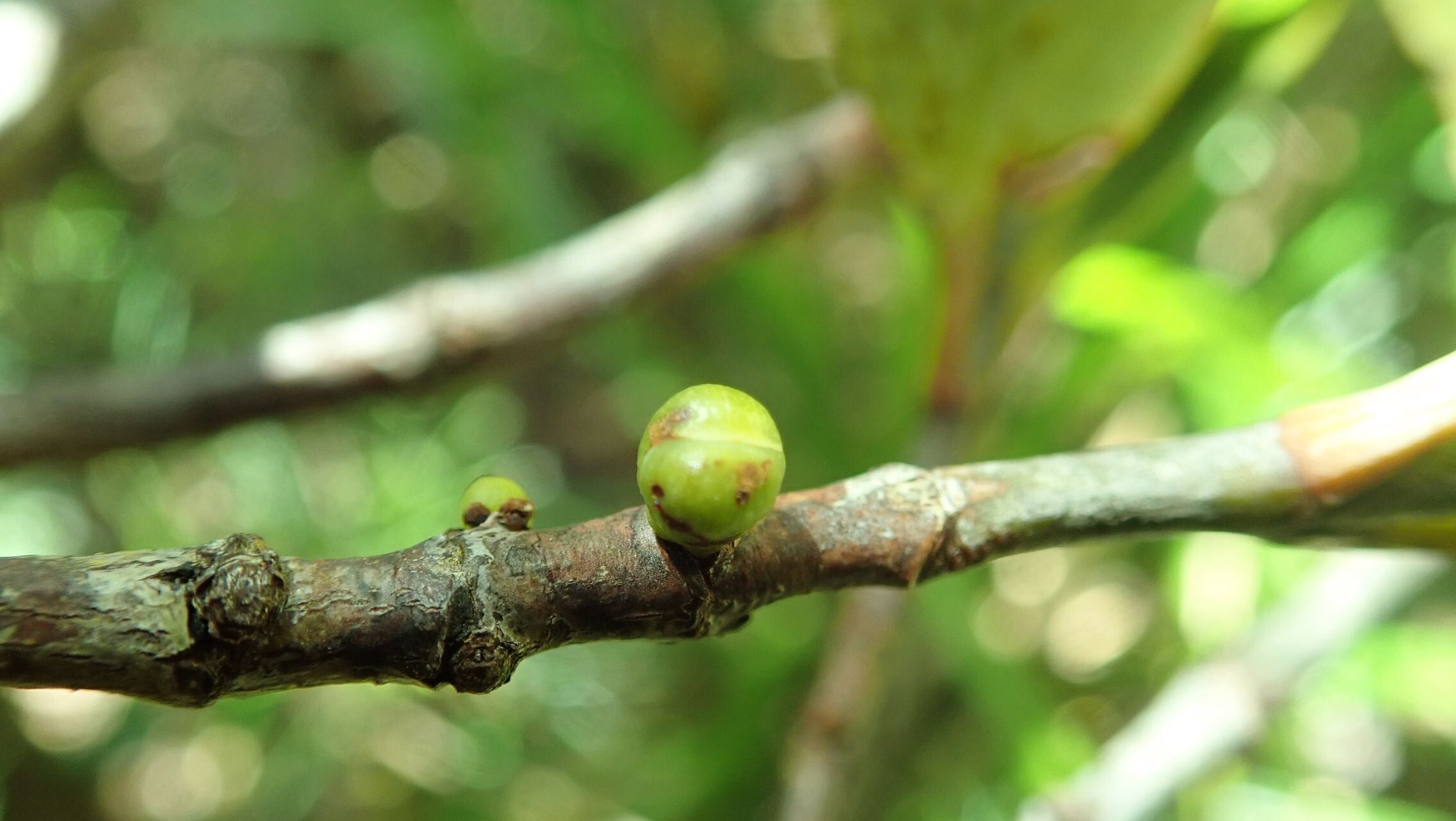
Propagating Garcinia hennecartii: A Gardener’s Guide
Introduction:
Garcinia hennecartii, sometimes called the “African mangosteen” though not closely related to true mangosteens, is a tropical evergreen tree prized for its attractive foliage and potential medicinal properties. Its relatively small size and unique appearance make it a desirable addition to many tropical gardens, though propagating it presents several challenges. While its popularity among collectors is growing, readily available propagation information remains scarce. Due to its limited cultivation, exploring various propagation methods is crucial for its conservation and wider horticultural use.
Seed Germination:
Currently, there are no known reliable methods for seed germination propagation of Garcinia hennecartii. While seeds may be produced, their dormancy and low germination rates have proven exceptionally difficult to overcome, even for experienced horticulturalists. Further research is needed to identify potential germination triggers, such as specific temperature and humidity requirements or pre-treatment techniques like scarification or stratification.
Cuttings:
Propagating Garcinia hennecartii via cuttings presents a more promising, though still challenging, avenue. The success rate is highly dependent on several factors:
Challenges: The woody nature of the stems makes them difficult to root. Furthermore, the susceptibility to fungal diseases during the rooting process is a significant hurdle.
Practical Tips: Semi-hardwood cuttings, taken from new growth in the late spring or early summer, offer the best chances of success. The use of rooting hormones (auxins like IBA) is strongly recommended. A high-humidity environment, potentially achieved through mist propagation, is vital to prevent desiccation. A bottom-heat propagation system can also improve rooting success. Sterile potting mix is essential to minimize fungal infections.
Rewards: Successfully rooted cuttings provide genetically identical plants, preserving desirable traits. This method also allows for relatively quick multiplication compared to other methods.
Division:
Division is not a viable method for propagating Garcinia hennecartii. This tree doesn’t naturally form suckers or readily separate into independent plants.
Tissue Culture:
Tissue culture offers the most potential for large-scale and consistent propagation of Garcinia hennecartii.
Challenges: Establishing a sterile tissue culture protocol requires expertise and specialized equipment, making it a resource-intensive method. Finding the appropriate growth media and hormones to induce shoot and root development is crucial. Contamination remains a major risk throughout the process.
Practical Tips: Success hinges on adhering to strict aseptic techniques and meticulous laboratory practices. Experimentation with different growth media compositions and hormone concentrations is necessary to optimize shoot multiplication and rooting.
Rewards: This method offers the potential for mass production of disease-free, genetically uniform plants.
Conclusion:
Propagating Garcinia hennecartii presents significant challenges regardless of the chosen method. Seed germination has proved unreliable, while cuttings and tissue culture demand considerable skill and resources. However, the rewards—whether maintaining genetic diversity through cuttings or achieving large-scale propagation through tissue culture—are significant. Successfully cultivating this unique plant offers a unique sense of accomplishment, especially considering the hurdles involved. For aspiring propagators, patience, perseverance, and a willingness to experiment are key to success. Don’t be discouraged by initial setbacks; continuous learning and adaptation are essential in unlocking the secrets to successfully propagating this intriguing species. Further research into optimized propagation techniques is crucial for the conservation and wider appreciation of Garcinia hennecartii.