
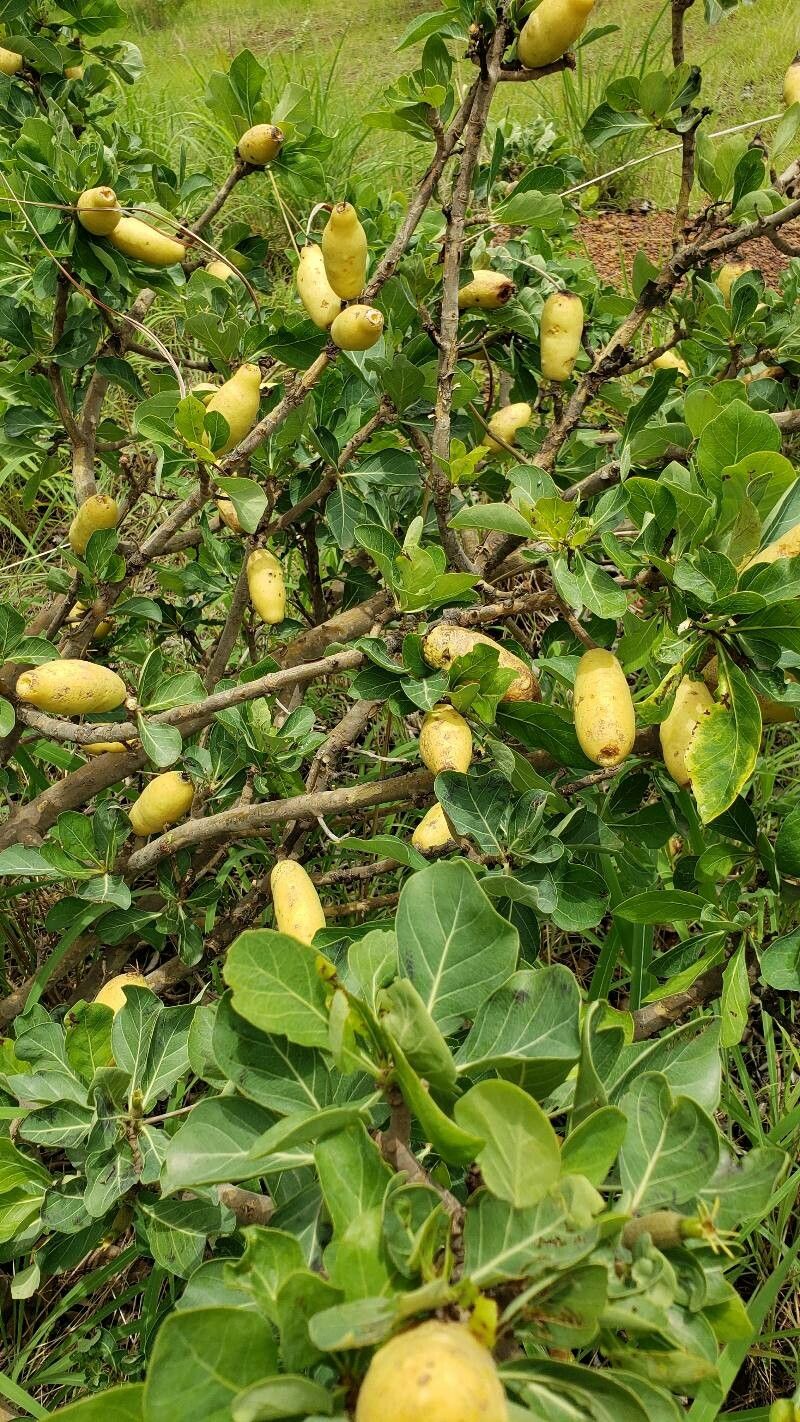
From One Gardenia to Many: Mastering the Art of Propagating Gardenia erubescens
The intoxicating scent of Gardenia erubescens, with its delicate white blooms, can transform any garden into a fragrant oasis. But what if you could share that beauty with friends, fill your home with more of its charm, or even start a small business crafting its intoxicating magic? The answer lies in propagation – the art of creating new plants from existing ones.
Gardenia erubescens can be propagated through several methods, each with its own unique approach and success rate:
1. Cuttings (The Classic Approach): This is the most common technique for multiplying Gardenia erubescens.
- Timing is Key: The best time for taking cuttings is during the spring or early summer when the plant is actively growing.
- Sharp Tools: Use a clean, sharp knife or pair of pruning shears to take 4-6 inch long cuttings from the soft, new growth at the tip of stems.
- Prep Work: Remove the leaves from the bottom inch of the cutting and make a small, diagonal cut at the base to enhance root growth.
- Rooting Hormone: Dip the cut end in rooting hormone to stimulate root development.
- Growing Medium: Pot the cuttings in a well-draining soil mix containing perlite or vermiculite for aeration.
- Environment Control: Place the cuttings in a warm, bright location, but out of direct sunlight. Keep the soil consistently moist, but not soggy, and cover the cuttings with a plastic dome or bag to create a humid environment.
- Patience is a Virtue: Root development can take several weeks, and you’ll know it’s happening when new growth appears on the cuttings. Once well-rooted, you can gradually acclimate them to outdoor conditions before transplanting into larger containers or the garden.
2. Air Layering (An Easier Option): For more mature Gardenia erubescens plants, air layering offers a convenient and often successful method.
- Strategic Slicing: Select a healthy stem with minimal branching and scrape a small section of the bark about 1-2 inches long.
- Moisture Boost: Cover the scraped area with moist sphagnum moss and wrap tightly with plastic wrap.
- Patience is Key: Keep the moss consistently moist and wait for roots to develop, which may take several weeks.
- Separation Time: Once roots form, you can cut the stem below the layered section and pot the new plant.
3. Seed Propagation (The Long Game): Although less common for Gardenia erubescens, seed propagation can be attempted for a unique variety experience.
- Harvesting Seeds: Collect seeds from mature, dried fruit capsules.
- Sowing Time: Sow seeds in well-draining soil in pots or seed trays.
- Optimal Conditions: Maintain a warm, humid environment and provide consistent moisture.
- Time for Growth: Seed germination can take several weeks or even months.
- Patience is Key Again: Once seedlings develop, they can be transplanted into larger containers or the garden.
Important Notes:
- Disease Prevention: When propagating Gardenia erubescens, always use sterilized tools to minimize the risk of disease spreading.
- Pest Control: Keep an eye out for pests and address them promptly.
- Sunlight and Water: Remember that Gardenia erubescens thrives in bright, indirect light and prefers evenly moist soil, but avoid overwatering.
Conclusion:
Propagating Gardenia erubescens can be a rewarding experience, allowing you to share the beauty and fragrance of this exquisite plant. Whether you choose cuttings, air layering, or even seed propagation, remember patience is key to success. With a bit of knowledge and dedication, you’ll soon be surrounded by lush, fragrant Gardenia erubescens plants, enriching your garden and home for years to come.