
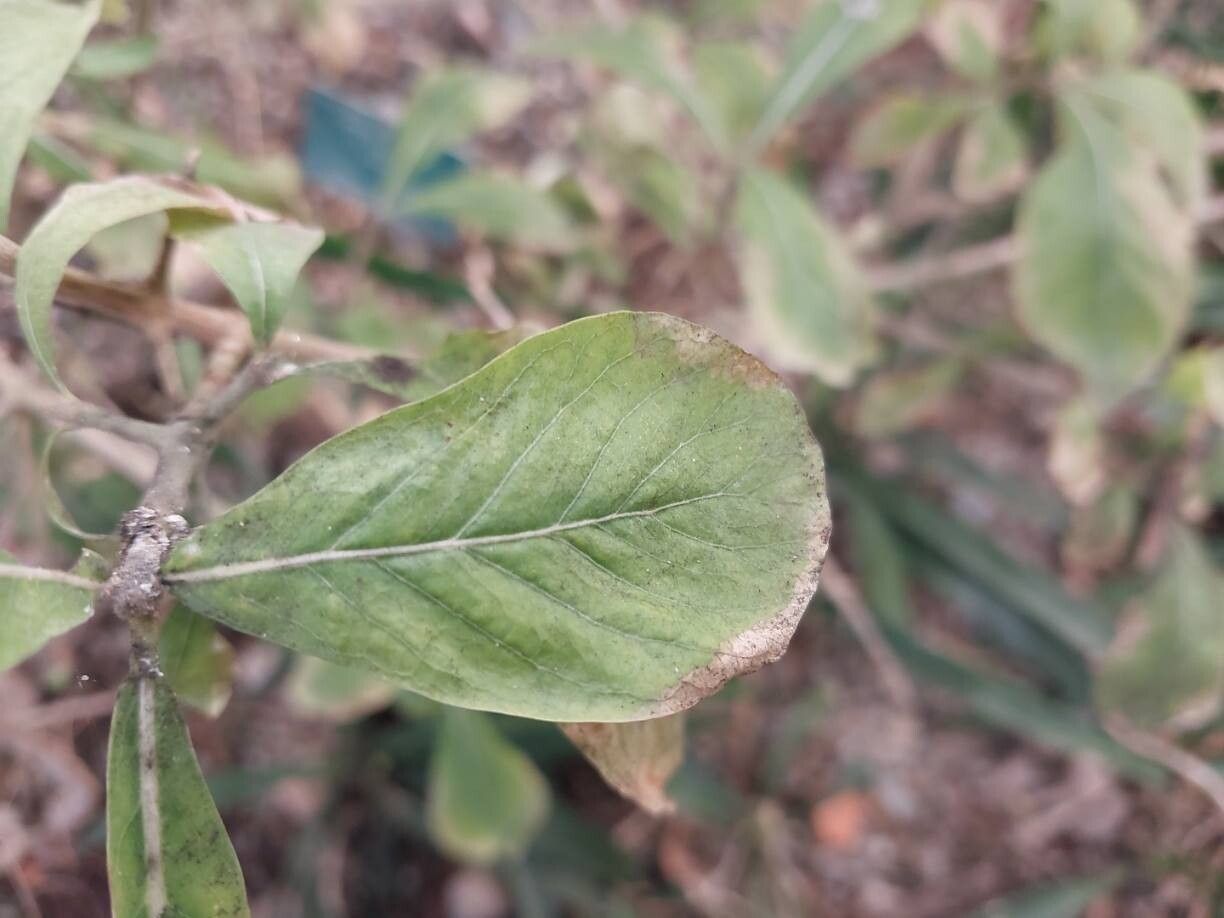
Propagating Gardenia volkensii: A Gardener’s Guide
Introduction
Gardenia volkensii, also known as the Kenya Gardenia, is a captivating shrub prized for its fragrant, creamy white flowers and glossy, dark green foliage. Native to East Africa, this gardenia species holds significant horticultural appeal, although it remains less common than other Gardenia varieties in cultivation. Its relatively slow growth and unique, intensely fragrant blooms make successful propagation a rewarding, albeit sometimes challenging, endeavor for plant enthusiasts. The unique aspects of its propagation stem primarily from its relatively low seed production and the sometimes recalcitrant nature of its cuttings.
Seed Germination
Currently, there are no known reliable methods for seed germination propagation of Gardenia volkensii. While the plant does produce seeds, their germination rate is notoriously low, and success remains largely undocumented. Further research is needed to establish viable techniques.
Cuttings
Challenges: Propagation from cuttings presents several challenges. Gardenia volkensii, like many gardenias, can be slow to root, and cuttings are prone to fungal diseases if not maintained in sterile conditions. The success rate is often dependent on factors such as the age and health of the parent plant, the timing of the cuttings, and the precise environmental conditions.
Practical Tips: Semi-hardwood cuttings taken in late summer or early autumn have shown the best results. Use a sharp, clean blade to take 4-6 inch cuttings, removing lower leaves to prevent rot. Dip the cut ends in rooting hormone before planting in a well-draining mix of perlite and peat moss. Maintain high humidity (e.g., using a propagation dome or plastic bag) and consistently moist (but not waterlogged) conditions. Bottom heat can significantly improve rooting success.
Rewards: Successful propagation from cuttings offers a relatively straightforward method to increase the number of plants, particularly for preserving desirable traits from a specific mother plant.
Division
Challenges: Division is generally not a practical method for propagating Gardenia volkensii. The plant’s robust root system and relatively slow growth make division difficult and potentially damaging to the parent plant. Successful division requires careful handling to avoid injuring the roots and ensuring each division has sufficient root mass to establish itself.
Practical Tips: If attempting division, it’s best done during the dormant season, ensuring each division has a substantial root system and several healthy stems. Planting the divisions immediately into well-prepared soil is vital for successful establishment.
Rewards: While rarely successful, division offers a shortcut to increase plant numbers if the conditions are perfectly right and minimal root disturbance occurs. This method is unsuitable for large-scale propagation.
Tissue Culture
Challenges: Tissue culture, though potentially highly effective for large-scale propagation, requires specialized equipment, sterile conditions, and expertise. Establishing aseptic techniques and optimizing the growth media are crucial for success. Finding the right hormonal balance to initiate shoot proliferation and root formation can also prove challenging.
Practical Tips: A skilled tissue culturist will be essential for successfully propagating Gardenia volkensii via this method. Using explants (small pieces of plant tissue) from actively growing shoots under sterile conditions is recommended. Acclimatization of the newly propagated plantlets to greenhouse conditions needs careful management.
Rewards: Tissue culture allows for rapid and large-scale propagation, maintaining genetic uniformity, and potentially eliminating disease issues.
Conclusion
Propagating Gardenia volkensii presents unique challenges attributed to its relatively uncommon propagation methodologies and the plant’s somewhat recalcitrant nature. While seed germination is currently unreliable, cuttings offer a more manageable, albeit potentially slow method for propagation. Division is not advisable on a large scale. Tissue culture presents the most promising technique for large-scale production, though it demands specialized knowledge. Despite the difficulties, the rewarding fragrance and beauty of Gardenia volkensii make the effort worthwhile. For aspiring propagators, patience, attention to detail, and a willingness to experiment are crucial. The satisfaction of successfully nurturing a cutting into a flowering shrub, or mastering tissue culture techniques to produce many thriving plants, is a testament to perseverance and horticultural skill.