
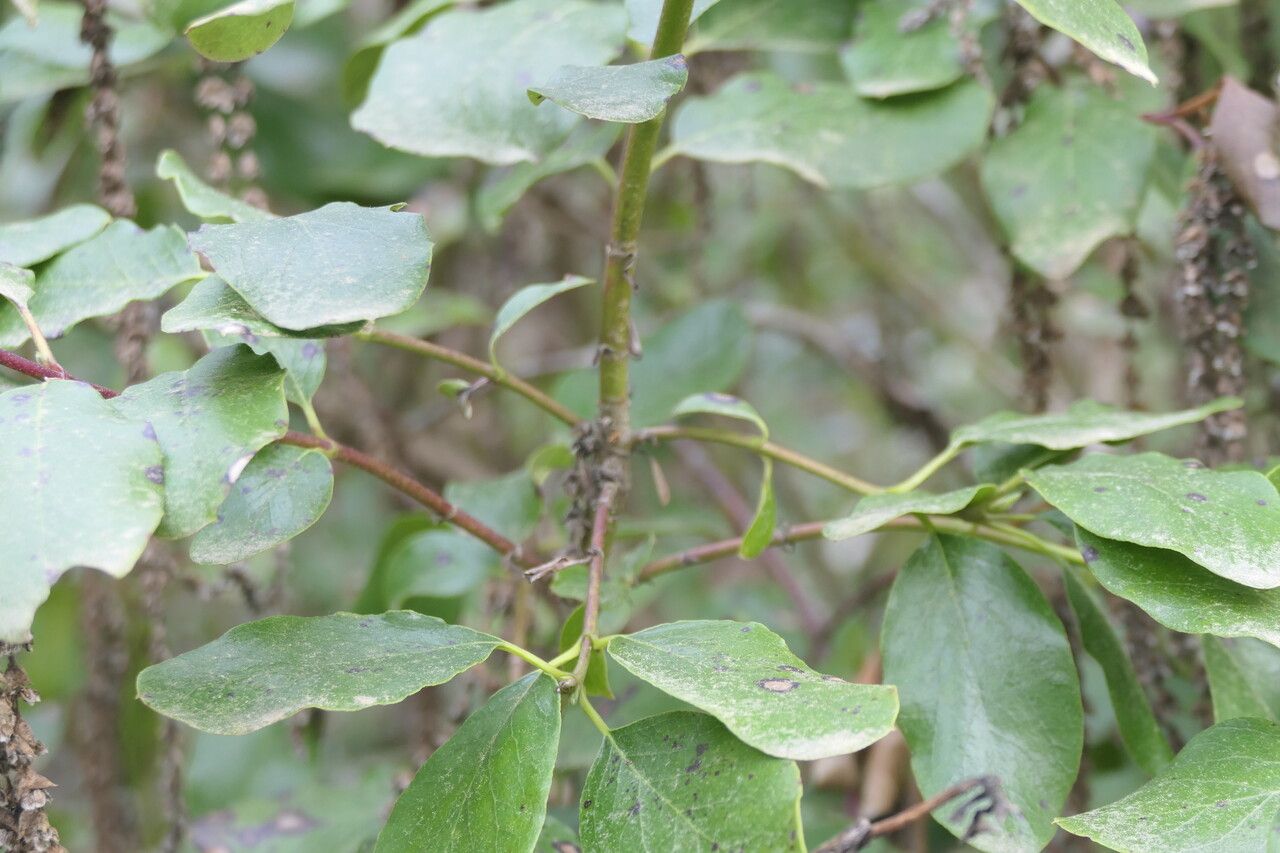
Propagating Garrya × issaquahensis: A Gardener’s Guide to the Silk Tassel Bush
Introduction
Garrya × issaquahensis, commonly known as the ‘Issaquah’ silk tassel bush, is a captivating evergreen shrub prized for its striking pendulous catkins that emerge in winter, long before the foliage showcases its deep green beauty. This hybrid, a cross between Garrya elliptica and Garrya fremontii, combines the hardiness of its parent species, making it a popular choice among gardeners seeking winter interest and a relatively low-maintenance landscape plant. However, its propagation presents unique challenges, requiring patience and a keen understanding of the plant’s specific needs.
Seed Germination:
Currently, there are no known reliable methods for seed germination propagation of Garrya × issaquahensis. Hybrids often exhibit reduced fertility or sterility, and this appears to be the case with Garrya × issaquahensis. Attempts at seed germination have yielded inconsistent results, making this method unsuitable for reliable propagation.
Cuttings:
Cuttings offer a more dependable method for propagating Garrya × issaquahensis.
- Challenges: Success rates can vary depending on timing and technique. Hardwood cuttings tend to root more reliably than softwood cuttings. The slow rooting process demands patience.
- Practical Tips: Take semi-hardwood cuttings in late summer or early autumn. Use a rooting hormone to stimulate root development. Plant cuttings in a well-draining propagation mix kept consistently moist but not waterlogged. A humidity dome or misting system can improve success rates. Bottom heat can also significantly improve rooting.
- Rewards: Cuttings provide a relatively straightforward means of cloning the parent plant, ensuring that desirable traits are maintained. This allows for the efficient propagation of specific cultivars.
Division:
Division is rarely a practical method for propagating Garrya × issaquahensis. The plants generally don’t form clumps of stems readily amenable to division like some other shrubs. Attempting division risks damaging the root system, leading to plant decline.
Tissue Culture:
Tissue culture presents a potential, albeit more complex and specialized, avenue for propagating Garrya × issaquahensis.
- Challenges: Establishing aseptic conditions and maintaining a sterile environment are essential to prevent contamination. This technique requires specialized equipment, media, and expertise. The process is time-consuming and labor-intensive, demanding a high level of technical skill.
- Practical Tips: Success hinges on using appropriate growth regulators and media formulations. Protocols need to be carefully optimized for this specific species. Clean, disease-free plant material is crucial.
- Rewards: Tissue culture allows for the large-scale propagation of superior genetic material, potentially resulting in a significant number of uniform plants. It also enables the conservation of rare cultivars.
Conclusion:
Propagating Garrya × issaquahensis presents a unique set of hurdles. While seed germination is currently not viable, cuttings represent a considerably more reliable method, though patience and attention to detail are crucial for success. Tissue culture, although technically demanding, offers the potential for high-volume propagation. The challenges involved underscore the reward of successfully cultivating this beautiful plant. The satisfaction derived from nurturing a cutting into a mature, flowering shrub is deeply enriched by the effort invested. For aspiring propagators, persistence, meticulous observation, and a willingness to adapt techniques are key components to unlocking the secrets of successfully growing more of this remarkable plant. Don’t be discouraged by initial setbacks; the journey is part of the fulfilling experience of cultivating Garrya × issaquahensis.