
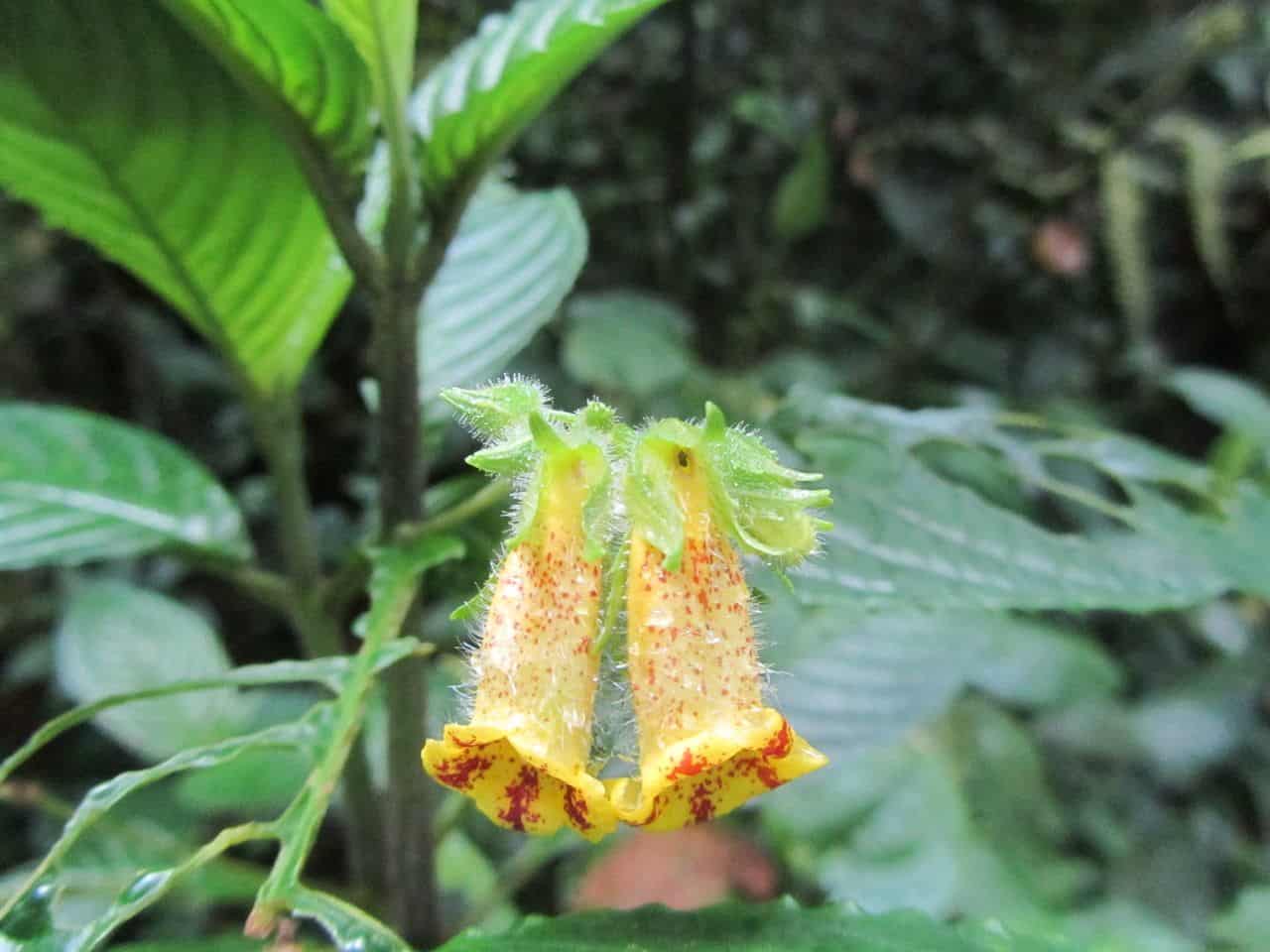
Unlocking the Secrets of Gasteranthus wendlandianus: A Propagation Guide
The world of rare and unusual houseplants is exhilarating, with new and exciting specimens constantly catching the eye of collectors. Among these treasures is the captivating Gasteranthus wendlandianus, a tropical beauty hailing from the cloud forests of Costa Rica. This plant, with its velvety leaves and fiery orange blooms, might seem like a horticultural enigma, but fear not! Propagating Gasteranthus wendlandianus is achievable, even for those new to the propagation game.
This guide will delve into the two most effective methods:
1. Stem Cuttings: A Step-by-Step Approach
Stem cuttings are arguably the most accessible propagation method for Gasteranthus wendlandianus. Here’s your guide to success:
- Timing: Spring or early summer, when the plant is actively growing, provides the optimal conditions for successful rooting.
- Materials:
- Clean, sharp pruning shears or a sharp knife
- A small pot (around 3 inches in diameter)
- Well-draining potting mix specifically designed for cuttings or African violets
- A humidity dome or clear plastic bag
- Procedure:
- Choose a healthy stem with at least two nodes (small bumps where leaves emerge) and cut just below the node. Aim for a cutting around 3-4 inches long.
- Remove the lower leaves, leaving only one or two pairs at the top.
- Moisten the cut end and dip it into a rooting hormone powder (optional but recommended).
- Make a small hole in the pre-moistened potting mix and gently insert the cutting.
- Firm the soil around the cutting to provide support.
- Place the pot in a warm, bright location, out of direct sunlight.
- Cover the cutting with a humidity dome or a loosely secured plastic bag to maintain high humidity.
- Check the soil moisture regularly and mist if needed, ensuring it remains consistently moist but not waterlogged.
With patience, you should see new growth emerge in 4 to 6 weeks, signalling successful rooting. Once established, you can gradually acclimate the new plantlet to normal humidity levels.
2. Leaf Cuttings: For the Adventurous Gardener
While slightly more challenging, propagating Gasteranthus wendlandianus from leaf cuttings is entirely possible:
- Timing: As with stem cuttings, spring and early summer offer the best chances of success.
- Materials:
- The same materials as listed for stem cuttings, but use a shallow tray or small pots.
- Procedure:
- Select a healthy, mature leaf from your Gasteranthus wendlandianus.
- Using a clean, sharp knife, carefully cut the leaf into sections, ensuring each section includes a portion of the petiole (the stalk attaching the leaf to the stem).
- Lay the leaf sections flat on the moistened potting mix, pressing them down gently.
- Follow the same steps as outlined in points 6-8 for stem cuttings.
Leaf cuttings can take several weeks to months to produce plantlets. Be patient and vigilant with your care, and you’ll be rewarded with new growth eventually.
Mastering the Art of Patience
Propagating Gasteranthus wendlandianus requires a gentle touch and a healthy dose of patience. Remember to provide consistent moisture, warmth, and humidity. With dedication and careful attention to detail, you’ll be well on your way to growing a flourishing collection of these beautiful plants, each a testament to your burgeoning horticultural skills.