
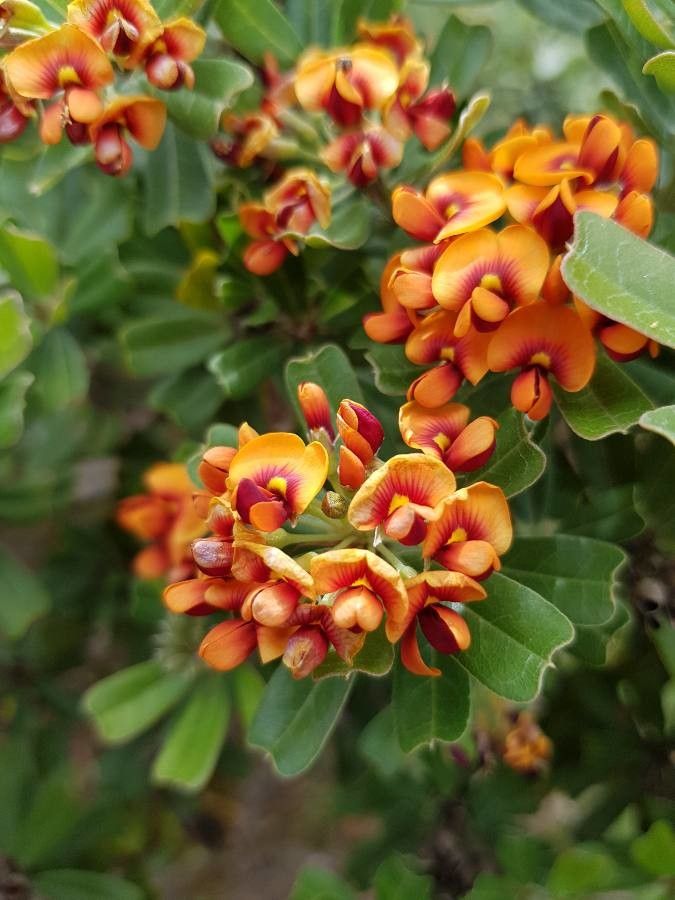
Unleashing the Power of Seeds: A Guide to Propagating Gastrolobium bilobum
Gastrolobium bilobum, often known as the “two-lobed gastrolobium,” is a captivating native Australian plant that captures hearts with its vibrant blooms and unique foliage. But beyond its aesthetic appeal, Gastrolobium bilobum holds a hidden treasure: the potential to be propagated, allowing you to share its beauty with others or simply expand your own garden sanctuary.
Understanding the Basics of Propagation
Propagation, the process of creating new plants from existing ones, can be achieved through various methods, each with its own set of advantages and disadvantages. For Gastrolobium bilobum, seed propagation is the most common and successful technique.
Harnessing the Power of Seeds
Gastrolobium bilobum seeds are famously recalcitrant, meaning they don’t readily germinate. This is a biological safeguard, ensuring that seeds only sprout under ideal conditions. You can overcome this challenge by employing a few tricks of the trade:
Scarification: This process involves mimicking the natural breakdown of the seed coat, which happens in the wild through the digestive systems of birds or other animals. You can scarify Gastrolobium bilobum seeds using sandpaper, a nail file, or even a sharp knife. Be gentle, aiming to create tiny scratches on the surface, not to damage the seed’s internal structure.
Cold Stratification: Mimicking the cold, moist conditions of winter, cold stratification helps break the seed’s dormancy. Place the scarified seeds in a sealed bag with moist vermiculite or potting mix. Refrigerate them for 4-6 weeks, creating the cold conditions they need to germinate.
- Sowing After Stratification: After your seeds have spent their time in the refrigerator, it’s time to sow them. Use a well-draining seed-raising mix and sow the seeds just below the surface. Keep the soil consistently moist but not waterlogged.
The Art of Patience in Propagation
Germination can take several weeks, even months, depending on the seed’s maturity and the environmental conditions. Be patient and provide consistent care – regular misting and maintaining a warm, bright location (but not direct sunlight) are crucial.
From Seedling to Thriving Plant
Once your little Gastrolobium bilobum seedlings emerge, they’ll need a bit of TLC. Protect them from harsh winds and direct sunlight, and gently prune off any overgrown or weak stems. As they grow stronger, you can gradually acclimatize them to sun and wind, preparing them for their permanent home in your garden.
Beyond Seed Propagation
While seed propagation is the most common method, Gastrolobium bilobum can also be propagated through cuttings. However, this technique requires specialized skills and is not widely employed for this species.
Unlocking the Beauty and Sustainability of Propagation
By understanding the intricacies of Gastrolobium bilobum propagation, you unlock a world of possibilities. You can share this unique plant with others, ensuring its continued presence in gardens and landscapes. Propagation also fosters a sense of connection with nature, allowing you to play an active role in its conservation and preservation.
In conclusion, propagating Gastrolobium bilobum may seem like a feat, but with the right knowledge and a touch of patience, you can nurture life from a seed, embracing the beauty and sustainability of nature’s wonders.