
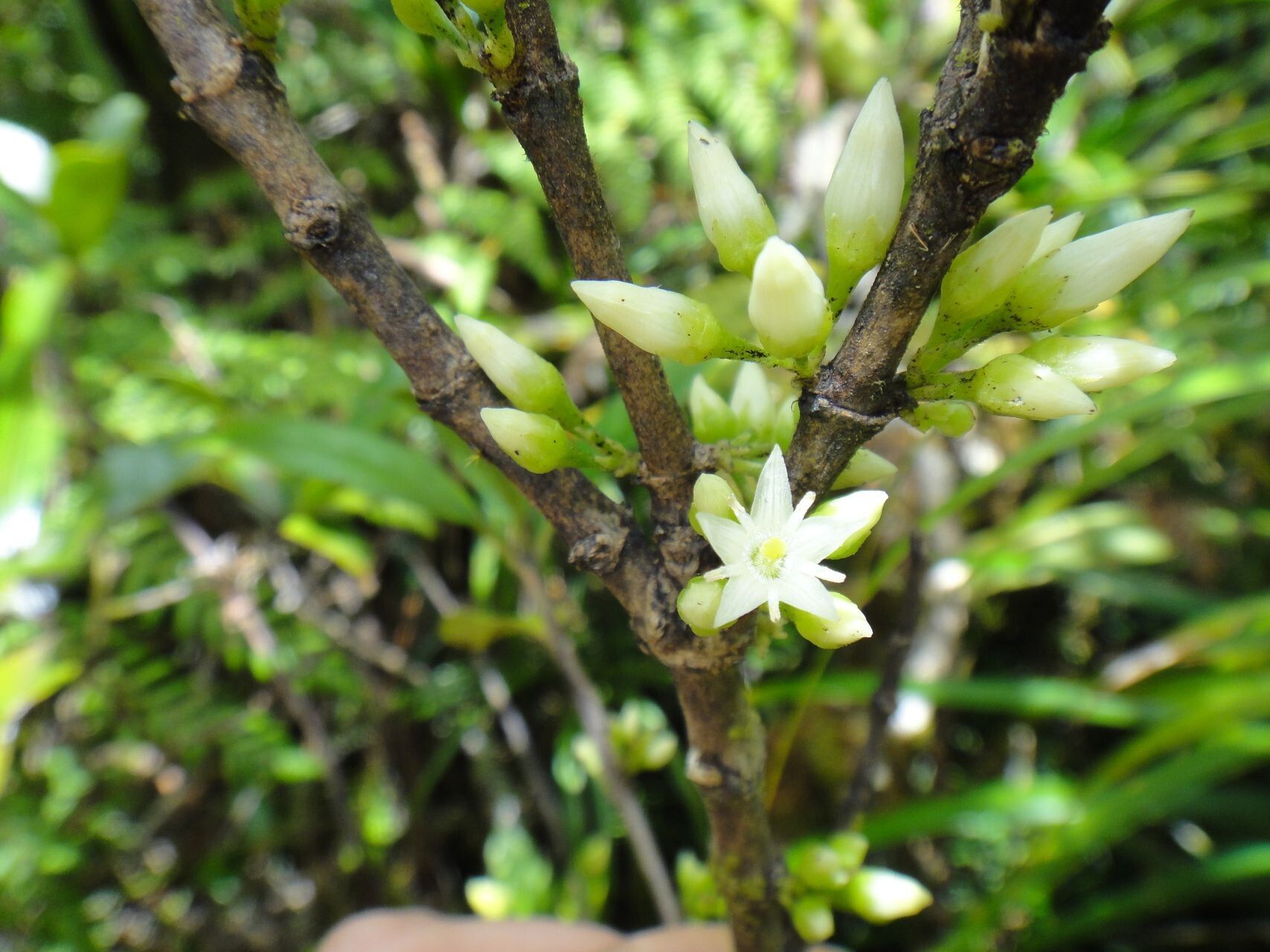
Unlocking the Secrets of Geniostoma glaucescens Propagation: A Guide for Plant Enthusiasts
Geniostoma glaucescens, also known by the evocative name “Wainui boxwood,” is a captivating evergreen shrub prized for its glossy, deep green foliage and delicate, fragrant flowers. Native to New Zealand, this versatile plant thrives in a variety of conditions, making it an alluring addition to gardens around the world.
While acquiring a Geniostoma glaucescens may be straightforward, successfully propagating it can feel like entering uncharted territory. Fear not, fellow plant enthusiasts! This guide will demystify the process, providing you with the knowledge and techniques to cultivate new plants and spread the verdant beauty of Wainui boxwood.
Two Paths to Propagation: Seeds and Cuttings
Geniostoma glaucescens can be propagated through two primary methods: seeds and cuttings. Each method presents its own set of advantages and challenges:
1. Seed Propagation: A Test of Patience
Propagating Geniostoma glaucescens from seed offers the reward of witnessing a plant’s entire lifecycle. However, this method demands considerable patience, as germination can be slow and unpredictable.
- Seed Collection: Harvest mature seed capsules from existing plants during the autumn months. Look for capsules that have turned brown and begun to split open, revealing small, black seeds.
- Sowing: Sow seeds in a well-draining seed-raising mix. Lightly cover them with a thin layer of the mix and mist generously.
- Environment: Place the seed tray in a warm, bright location, out of direct sunlight. Maintain consistent moisture, allowing the top layer to dry slightly between waterings.
- Germination: Be prepared for a waiting game, as germination can take several months or even longer. Don’t despair if you don’t see immediate results.
- Transplanting: Once seedlings have developed a strong root system and several sets of true leaves, they can be carefully transplanted into individual pots.
2. Cutting Propagation: A Quicker Route
Propagating from cuttings offers a faster and often more reliable method for establishing new Geniostoma glaucescens plants.
- Timing is Key: Take semi-hardwood cuttings in late spring or early summer, when the plant is actively growing.
- Selecting Cuttings: Choose healthy, non-flowering stems that are approximately 10-15 cm long. Make a clean cut just below a leaf node.
- Preparing Cuttings: Remove the lower leaves from the cutting, leaving only two or three sets at the top. Dip the cut end in rooting hormone powder to encourage root development.
- Planting: Insert the cuttings into a pot filled with a well-draining potting mix, ensuring the bottom leaf nodes are covered.
- Creating a Humid Environment: Cover the pot with a clear plastic bag or use a propagator to create a warm, humid environment.
- Rooting: Keep the cuttings in a bright, indirect light and maintain consistent moisture. Roots should develop within 4-8 weeks.
- Transplanting: Once roots have formed, gently transplant the cuttings into individual pots.
Nurturing Your New Geniostoma glaucescens
Regardless of the propagation method you choose, providing your new plants with the right care is essential for their success:
- Light: Geniostoma glaucescens thrive in a range of light conditions but prefer partial shade or dappled sunlight.
- Water: Maintain consistently moist soil, allowing the top layer to dry slightly between waterings.
- Soil: Opt for a well-draining, slightly acidic soil mix.
- Fertilizer: Feed your plants with a balanced liquid fertilizer every 4-6 weeks during the growing season.
With patience, care, and the right knowledge, you’ll be well on your way to cultivating a thriving collection of Geniostoma glaucescens, bringing a touch of New Zealand’s natural beauty to your own backyard.