
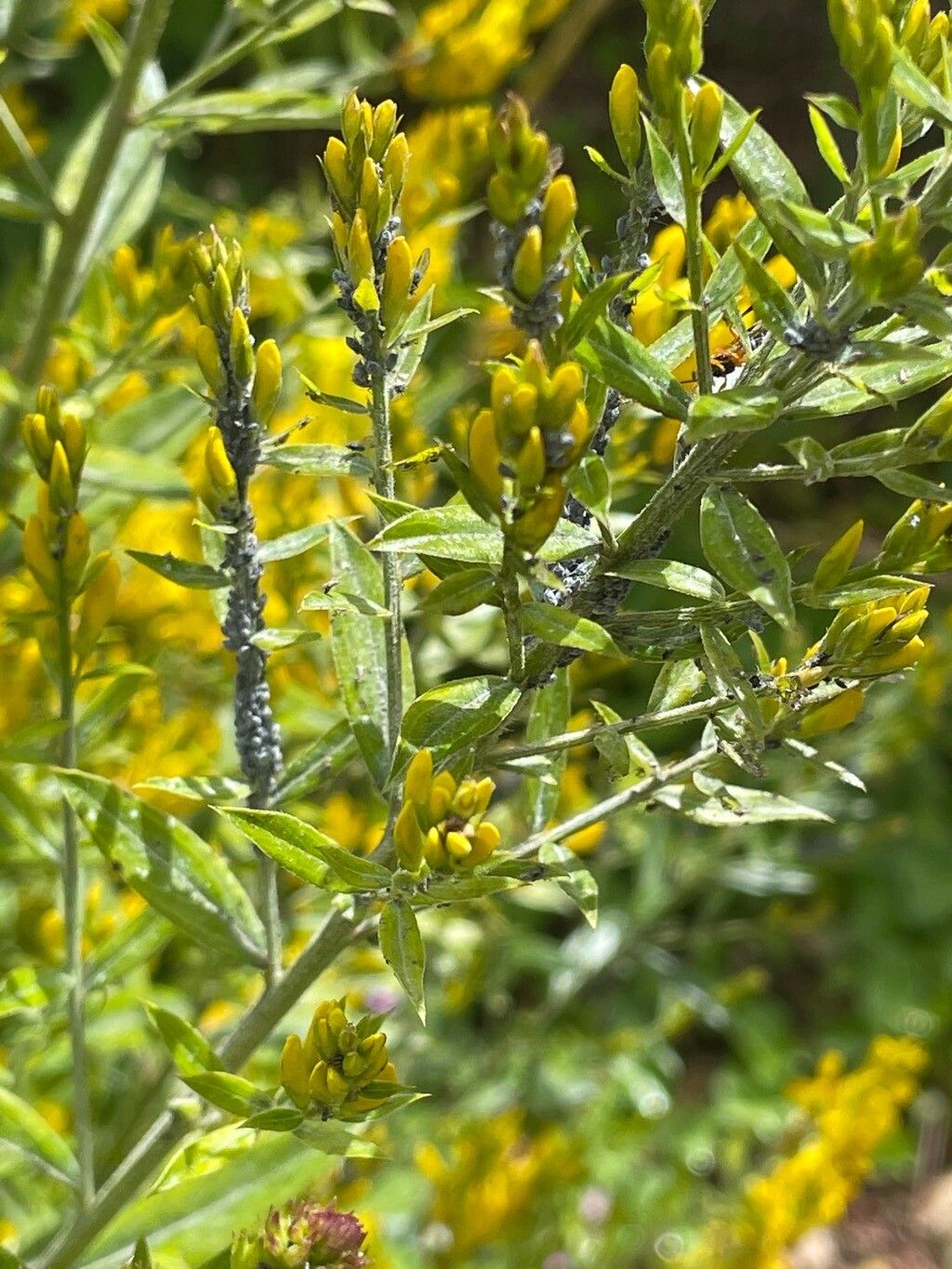
Propagating the Spanish Broom (Genista florida): A Gardener’s Guide
Introduction:
Genista florida, commonly known as Spanish Broom, is a captivating shrub prized for its vibrant, golden-yellow flowers that cascade profusely in spring. Its arching branches and relatively compact growth habit make it a popular choice for gardens, adding a splash of sunny color to borders, rock gardens, or even as a container plant. However, propagating this beautiful shrub can present unique challenges. While its attractive qualities make it a desirable addition to any garden, successfully propagating Genista florida requires understanding and patience. Its propagation relies less on seed germination, and more on vegetative methods, making it a rewarding project for the dedicated gardener.
Seed Germination:
Currently, there are no known reliable methods for seed germination propagation of Genista florida. While seeds may be produced, their germination rate is extremely low, and even with pre-treatment techniques, success is unpredictable. The hard seed coat and potential dormancy mechanisms significantly hinder germination. Therefore, relying on seed germination for propagating Genista florida is not recommended.
Cuttings:
Propagating Spanish Broom via cuttings is a more reliable method than seed germination. However, it still requires attention to detail.
Challenges: The success of cuttings depends heavily on timing and technique. Hardwood cuttings taken in late autumn or winter have a lower success rate than semi-hardwood cuttings taken in late summer or early autumn. Proper hormone treatment and a consistent environment are crucial.
Practical Tips: Take 8-10cm semi-hardwood cuttings from non-flowering stems, removing the lower leaves. Dip the cut end in a rooting hormone powder. Plant the cuttings in a moist, well-draining propagating mix (e.g., a blend of peat moss and perlite) and cover with a clear plastic dome or propagator to maintain humidity. Place the cuttings in a bright location out of direct sunlight. Consistent moisture is key – allow the mix to dry slightly between waterings to avoid rot.
Rewards: Cuttings provide a reliable method for creating genetically identical plants to the parent plant, preserving desirable traits. This is relatively quick and simpler to accomplish than other methods.
Division:
Division is generally not a practical method for propagating Genista florida. Spanish Broom doesn’t readily lend itself to division due to its woody, fibrous root system which makes separating into viable sections difficult without severe damage to the plant.
Tissue Culture:
Tissue culture offers potentially the most reliable method, particularly for large-scale propagation or for the conservation of rare or threatened cultivars.
Challenges: Tissue culture requires specialized equipment, sterile conditions, and a strong understanding of plant tissue culture techniques. It’s a more advanced and costly method than cuttings.
Practical Tips: This process involves sterilizing plant material and placing it in a nutrient-rich agar medium in a sterile environment. This method requires a laboratory setting and is not suitable for the average home gardener.
Rewards: Tissue culture allows for the mass production of genetically identical plants, offering a significant advantage for commercial propagation or conservation efforts. It can also be used to eliminate diseases.
Conclusion:
Successfully propagating Genista florida presents unique challenges, primarily due to its recalcitrant seed germination. However, semi-hardwood cuttings offer a viable path for the home gardener, while tissue culture provides an option for large-scale or specialized propagation. The rewards – the satisfaction of nurturing a new plant from a cutting, and the vibrant display of golden blooms that follow – make the effort worthwhile. Remember, patience and attention to detail are crucial, but the beauty of the Spanish Broom certainly justifies the dedication. For the aspiring propagator keen to expand their sunny collection, tackling cuttings is an excellent starting point. Don’t be discouraged by initial setbacks; persistence will lead to success.