
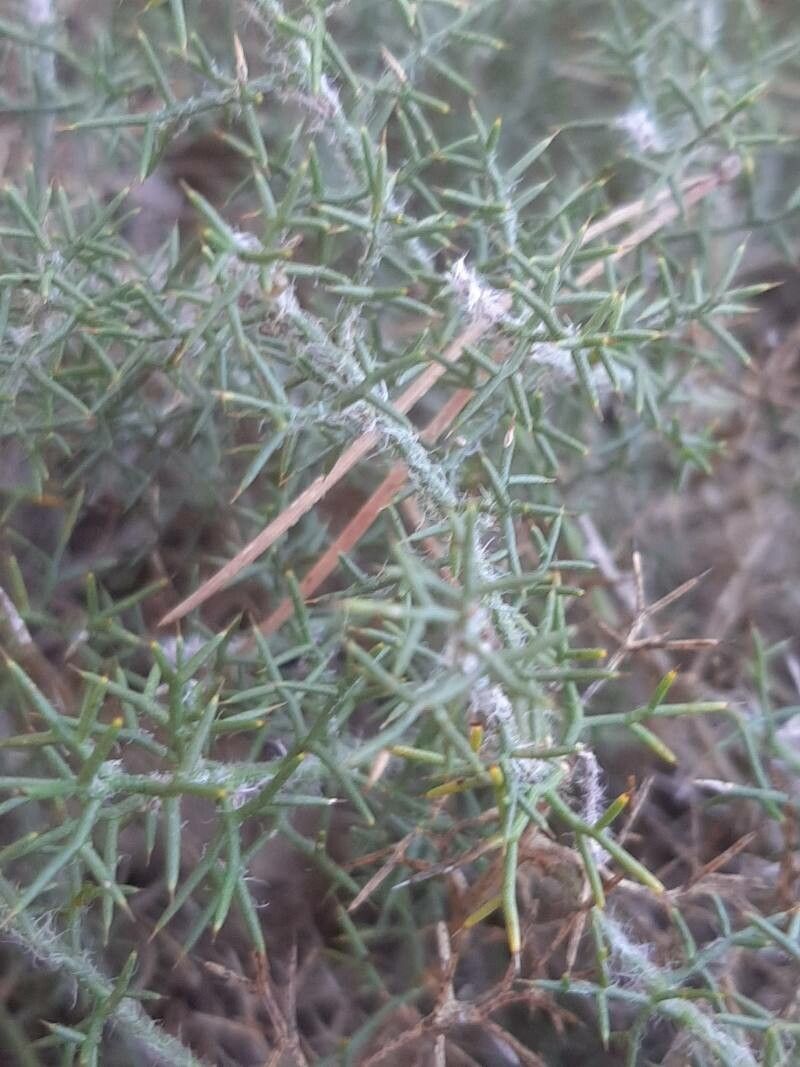
Propagating Genista hispanica: A Guide to Cultivating the Spanish Broom
Introduction:
Genista hispanica, also known as Spanish Broom, is a captivating deciduous shrub prized for its vibrant yellow, pea-like flowers and its ability to thrive in poor, well-drained soils. Its arching branches laden with blossoms make it a delightful addition to rock gardens, borders, or as a specimen plant. Its relatively compact size and tolerance of drought conditions contribute to its increasing popularity among gardeners. However, propagating this striking plant can present some challenges, making success all the more rewarding. This article explores various propagation methods, examining their viability and offering practical guidance.
Seed Germination:
Currently, there are no known reliable methods for seed germination propagation of Genista hispanica. Although seeds are produced, germination rates are notoriously low and unpredictable, even with pre-treatment techniques like scarification or stratification. The dormancy mechanisms of Genista hispanica seeds are complex and not yet fully understood, hindering successful germination. Therefore, relying on seed for propagation is not recommended.
Cuttings:
Cuttings offer a more reliable method for propagating Genista hispanica.
Challenges: Root development from cuttings can be slow and inconsistent. Success rates are highly dependent on the timing, the type of cutting used (softwood or semi-hardwood), and the propagation environment.
Practical Tips: Semi-hardwood cuttings taken in late summer or early autumn, using a rooting hormone, and planted in a well-drained, sandy propagation mix under humid conditions (e.g., using a propagator or clear plastic cover) offer the best chances of success. Regular misting to maintain humidity is crucial.
Rewards: Cuttings provide a relatively quick way to increase the number of plants, maintaining the exact genetic characteristics of the parent plant. This is particularly useful for propagating prized cultivars.
Division:
Division is not a practical method for propagating Genista hispanica. Its woody nature and robust root system make it difficult to divide successfully without significant damage to the plant. Attempting division often results in poor survival rates for both the parent plant and the divisions.
Tissue Culture:
Tissue culture presents a potentially successful but highly specialized method for propagating Genista hispanica.
Challenges: Tissue culture requires specialized equipment, a sterile environment, and a high level of technical skill. It involves establishing sterile cultures from small plant tissues and then growing them into complete plants under controlled conditions. This method involves significant upfront investment and expertise.
Practical Tips: Specialized laboratories or nurseries with experience in woody plant tissue culture are best equipped to undertake this method.
Rewards: Tissue culture offers the highest potential for large-scale propagation and the preservation of rare or genetically valuable plants. It also circumvents many of the challenges associated with other methods.
Conclusion:
Propagating Genista hispanica presents unique challenges, with seed propagation proving largely unreliable. Cuttings offer a relatively accessible, though not always foolproof, method for gardeners. Tissue culture holds the greatest promise for large-scale propagation but requires specialized resources. The inherent difficulties in propagating this plant only augment the satisfaction derived from successfully cultivating it. The perseverance required, combined with the beauty of the resulting plants, make mastering Genista hispanica propagation a highly rewarding endeavor for dedicated gardeners. Don’t be discouraged by initial setbacks—experimentation, careful observation, and patience are key to success. Start with cuttings, employing the recommended techniques, and celebrate the vibrant yellow blooms that will reward your efforts.