
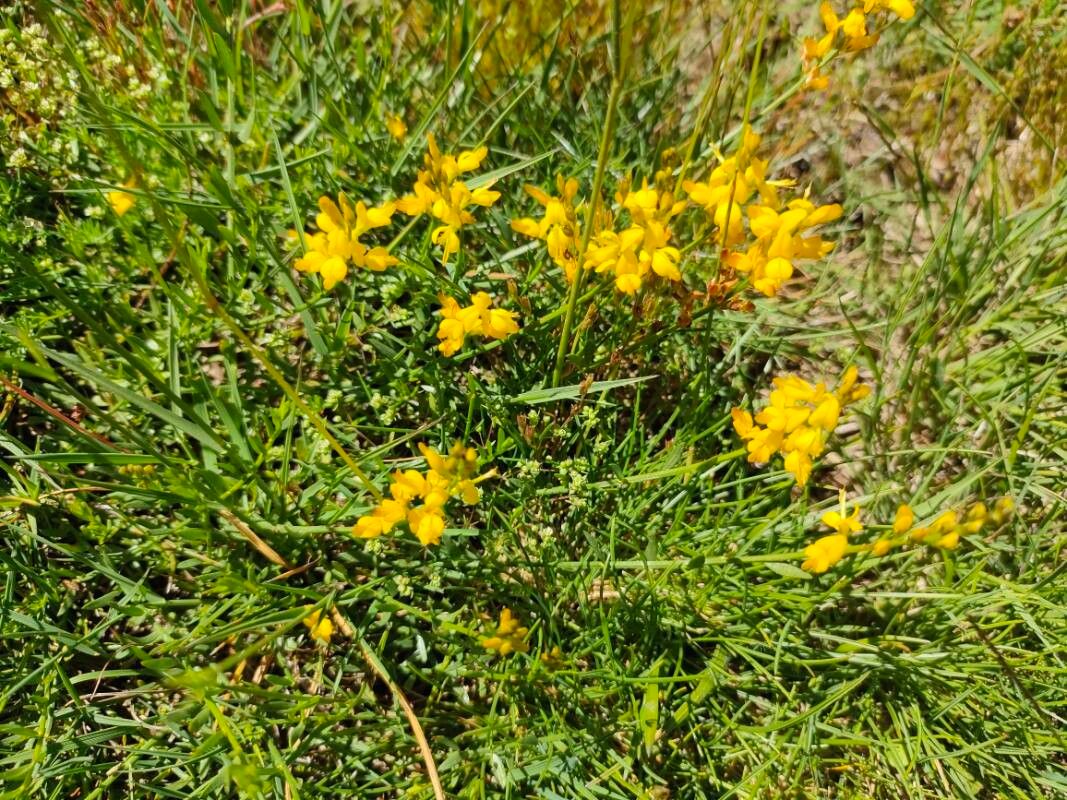
Unlock the Magic of Miniature Broom: Propagating Genista micrantha
Ever felt like you could use a little more sunshine in your life? Look no further than Genista micrantha, the delicate and enchanting miniature broom. This compact shrub, boasting vibrant yellow blooms and a charmingly wispy habit, can bring a touch of Mediterranean magic to any garden or container. The best part? Propagating Genista micrantha is surprisingly easy, allowing you to share its beauty or simply expand your own collection.
The Power of Propagation:
Propagation, the process of creating new plants from existing ones, is a gardener’s secret weapon. It allows you to multiply your favorite specimens, preserve unique varieties, and enjoy the satisfaction of bringing new life into the world. For Genista micrantha, propagation opens a world of possibilities.
Two Tried-and-True Methods:
1. Cuttings: This method is commonly used for Genista micrantha, yielding successful results with a little patience.
- Timing is Key: The best time for taking cuttings is during the spring or early summer, when the plant is actively growing.
- Select Your Shoots: Choose healthy, non-flowering stems that are about 4-6 inches long. Look for shoots that are semi-woody, meaning they have some firmness but are not completely hardened.
- Prepare the Cuttings: Use a sharp knife or scissors to make a clean cut just below a node (the point where a leaf grows from the stem). Remove any leaves from the lower half of the cutting.
- Root Hormones: Optional but recommended, dipping the cut end in rooting hormone powder can greatly enhance the success rate.
- Planting the Cuttings: Fill a pot with a well-draining potting mix, like a combination of peat moss and perlite. Make a small hole in the mix and insert the cutting, ensuring the bottom node is submerged. Gently firm the soil around the cutting.
- The Waiting Game: Cover the pot with a clear plastic bag or dome to create a humid environment, and place it in a bright but indirect location. Monitor the soil moisture and mist regularly to maintain humidity. Roots should begin to form within a few weeks.
2. Seed Propagation: While a bit more time-consuming, seed propagation yields a large number of new plants.
- Gathering Seeds: Collect the seed pods from mature Genista micrantha plants in the fall. The pods will turn brown and dry out, releasing the seeds.
- Scarification: These seeds have a hard coating that can inhibit germination. Scarify the seeds by gently rubbing them against sandpaper or using a nail file. This will weaken the coating and allow the seed to take up moisture.
- Sowing Seeds: Fill seed trays with a well-draining seed-starting mix. Sow the seeds thinly on the surface of the mix and cover them with a thin layer of vermiculite.
- Moisture and Light: Water the seeds gently and place the tray in a bright location. Maintain consistent moisture but avoid overwatering. Germination usually takes 2-4 weeks.
Nurturing Your New Genistas:
Once your new Genista micrantha plants have established roots, it’s time to give them the best possible care.
- Sunlight: Choose a sunny spot for your new plants. Genista micrantha prefers full sun but can tolerate some partial shade.
- Watering: Water regularly, keeping the soil evenly moist but not soggy.
- Feeding: A balanced liquid fertilizer diluted to half strength can be applied every few weeks during the growing season.
- Pruning: To maintain a compact shape and encourage bushier growth, pinch back the tips of the shoots regularly.
With a little patience and care, you can enjoy the beauty of miniature broom for years to come. Propagating Genista micrantha is a rewarding experience that allows you to create your own little bit of sunshine, one plant at a time.