
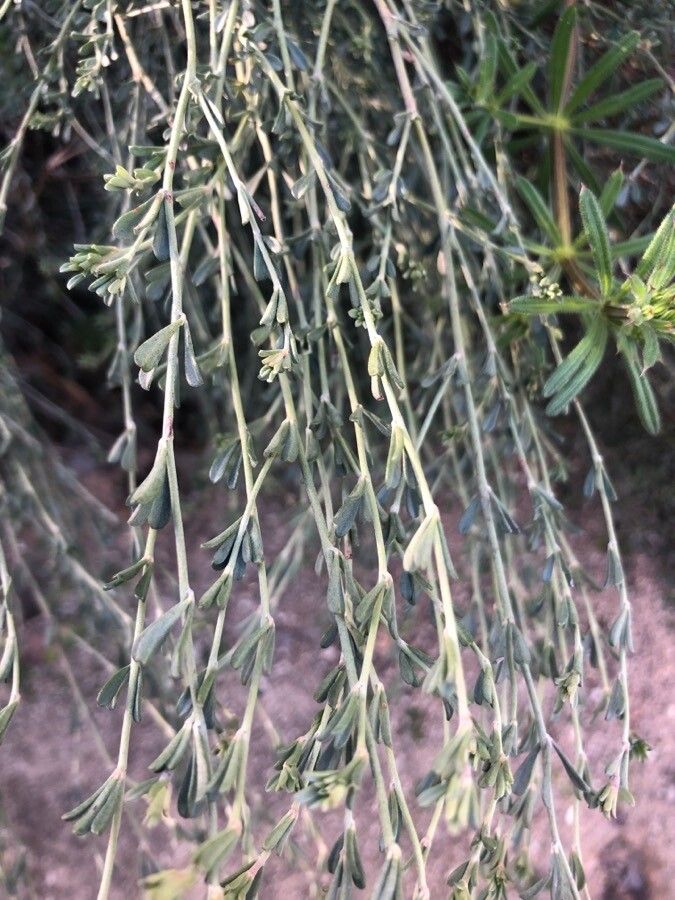
Taming the Wildfire Broom: Propagating Genista monspessulana
Genista monspessulana, commonly known as French broom or Montpellier broom, is a beautiful but controversial plant. While its vibrant yellow flowers can brighten up any landscape, its invasive nature in some regions necessitates a careful approach to cultivation. If you’re captivated by this fragrant shrub and wish to propagate it responsibly, understanding the nuances of its reproduction is key.
Seed Propagation: A Wildfire Waiting to Happen?
Genista monspessulana is a prolific seed producer, and its seeds can remain viable in the soil for decades. While gathering seeds from existing plants might seem tempting, it’s crucial to be aware of the potential ecological impact. In areas where French broom is considered invasive, dispersing its seeds can exacerbate the problem.
Cuttings: A More Controlled Approach
Taking cuttings offers a more controlled way to propagate Genista monspessulana while minimizing ecological risks. Here’s what you need to do:
1. Timing is Everything: The ideal time to take cuttings is in late spring or early summer when the plant is actively growing.
2. Selecting the Right Cuttings: Look for healthy, non-flowering stems that are about 4-6 inches long. Use a sharp, clean knife or pruner to make a cut just below a leaf node.
3. Preparing the Cuttings: Remove the lower leaves from the cutting, leaving only 2-3 leaves at the top. Dip the cut end in rooting hormone powder to encourage root development.
4. Planting the Cuttings: Fill a small pot with well-draining potting mix. Make a hole in the center and gently insert the cutting.
5. Creating a Humid Environment: Cover the pot with a plastic bag or use a propagator to create a warm, humid environment. Mist the cutting regularly to keep the soil moist but not waterlogged.
6. Patience is Key: It can take several weeks for cuttings to develop roots. Once you see new growth, you’ll know the rooting process has been successful.
Transplanting and Care:
Once the cuttings have developed a strong root system, you can transplant them into larger pots or directly into the ground. Choose a location with full sun to partial shade and well-drained soil.
Responsible Cultivation:
Whether you choose to propagate Genista monspessulana from seed or cuttings, responsible cultivation is essential. Be sure to check with your local authorities about its invasive status in your region. Regularly monitor the plant’s growth and implement containment measures like pruning to prevent it from spreading uncontrollably.
By understanding the propagation methods and potential ecological impact of Genista monspessulana, you can enjoy the beauty of this vibrantly colored shrub while minimizing its potential to become a nuisance. Remember, knowledge and responsible gardening practices go hand-in-hand to create a harmonious and thriving landscape.