
Unlocking the Secrets of Propagation: A Guide to Growing the Exquisite Genoplesium calopterum
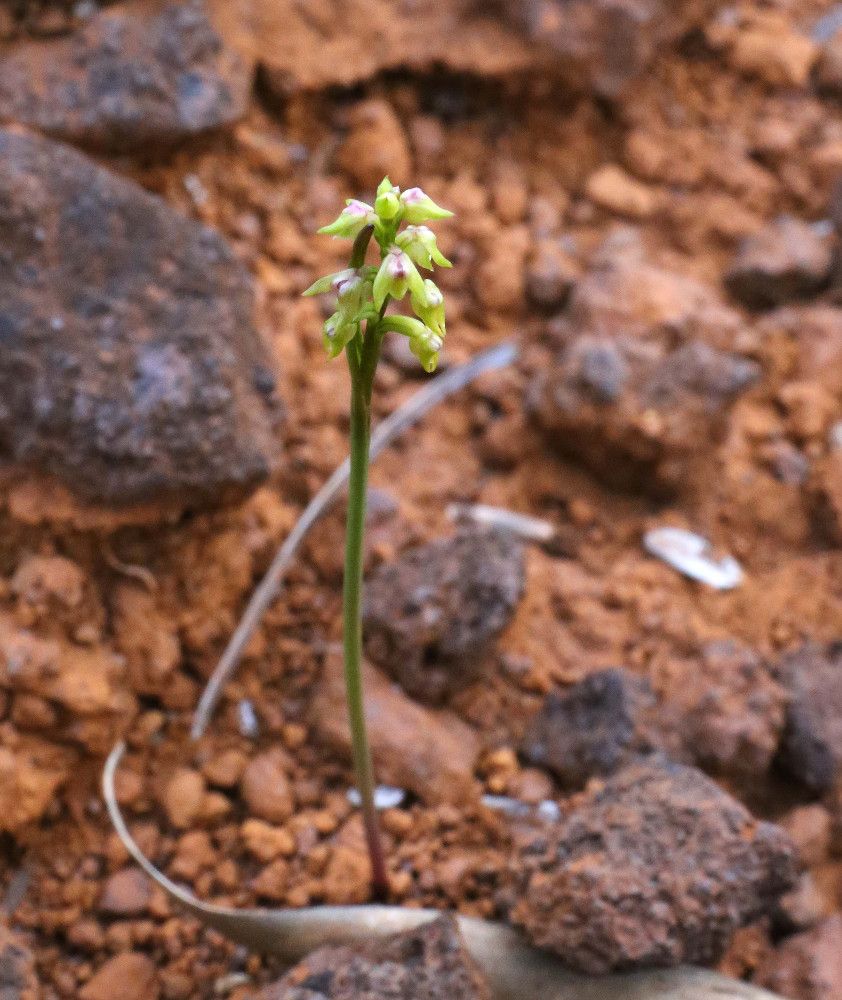
The Genoplesium calopterum, also known as the Mallee Midge Orchid, is a captivating Australian native orchid that enchants with its intricate beauty. Unlike the showy blossoms of its tropical cousins, this terrestrial orchid exhibits subtle charm with its small, reddish-brown flowers adorned with striking yellow tips. While admiring its elegance in the wild is a treat, cultivating this unique orchid at home presents a rewarding challenge for plant enthusiasts.
Propagating Genoplesium calopterum requires patience and understanding of its unique symbiotic relationship with specific mycorrhizal fungi. These fungi are essential for the orchid’s germination and growth, providing vital nutrients from the soil. This intricate dependency makes traditional propagation methods like seed sowing less effective for this species.
Delving into the World of Symbiotic Propagation
Understanding the Symbiosis: The key to successfully propagating Genoplesium calopterum lies in replicating its natural growing conditions. In nature, the orchid seeds rely on the presence of compatible mycorrhizal fungi for germination. These fungi form a mutually beneficial partnership, with the fungi receiving sugars from the orchid while aiding the orchid in nutrient absorption.
Obtaining Mycorrhizal Fungi: Sourcing the appropriate mycorrhizal fungi is crucial. Look for reputable suppliers specializing in orchid mycorrhizae, or try obtaining a small amount of soil from the base of a healthy Genoplesium calopterum plant in the wild (with permission and mindfulness of the environment). This soil likely contains the necessary fungi.
- Creating the Right Environment: Prepare a well-draining potting mix specifically designed for terrestrial orchids. A blend of bark chips, perlite, and coarse sand can provide the necessary aeration and drainage. Sterilize the potting mix to eliminate any competing fungi that might hinder the growth of the desired mycorrhizae.
Propagation Techniques:
Division: For established plants, division is a viable option. Carefully divide the orchid clumps, ensuring each section has several healthy pseudobulbs and a portion of the root system intact. Replant the divisions in separate pots with fresh orchid mix, taking care to introduce some of the original soil containing the mycorrhizal fungi to the new environment.
- Flask Culture: For those seeking a more advanced approach, flask culture offers the possibility of propagating from seed. This technique involves germinating seeds in a sterile nutrient-rich gel medium inoculated with the appropriate mycorrhizal fungi. While potentially rewarding, flask culture demands a sterile working environment and specific equipment.
Patience: The Virtue of Orchid Propagation:
Remember, propagating Genoplesium calopterum is a journey that requires patience and observation. It may take several months or even years for significant growth to occur. Providing consistent care, including appropriate watering, indirect sunlight, and maintaining humidity, will significantly contribute to successful propagation.
Growing this exquisite orchid at home presents a rewarding endeavor for any plant enthusiast willing to delve into the fascinating world of symbiotic relationships and master the art of patience. With dedication and the right approach, you can unlock the secrets of propagation and enjoy the delicate beauty of Genoplesium calopterum in your own space.