
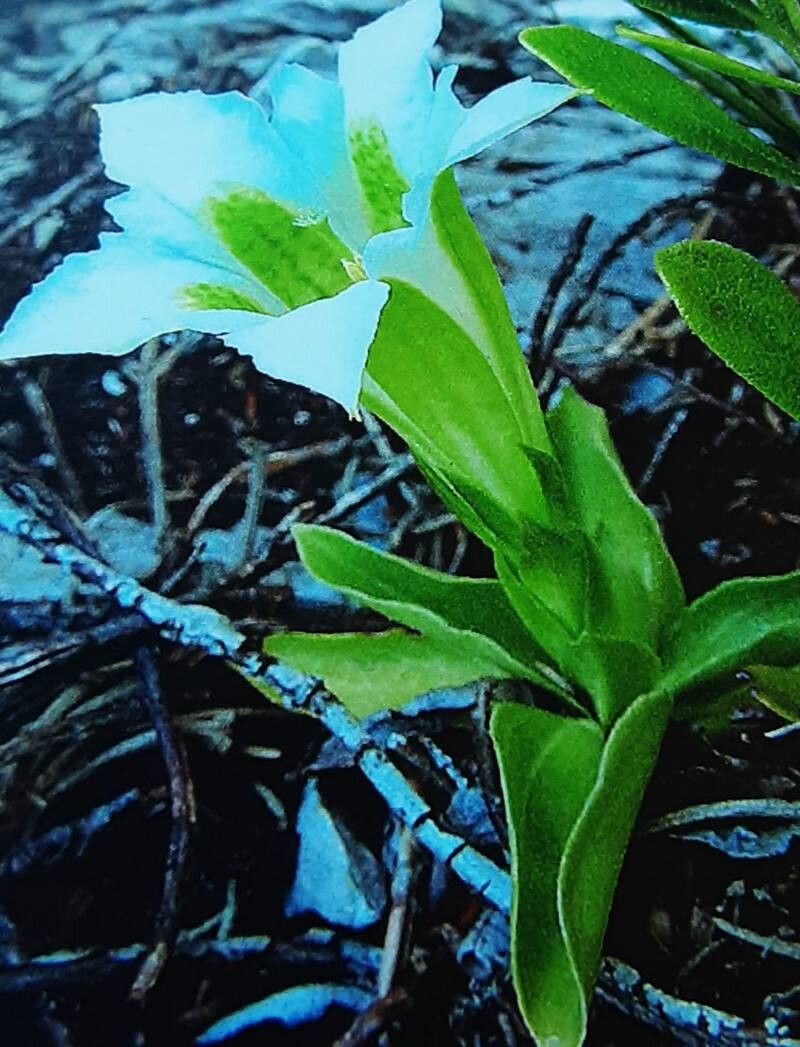
Unlocking the Secrets of Gentiana clusii Propagation: A Guide to Growing this Alpine Gem
The Gentiana clusii, also known as the Clusius’ gentian, is a sight to behold. This alpine treasure boasts vibrant, trumpet-shaped, azure blossoms that emerge in late spring, adding a splash of breathtaking color to rocky landscapes and alpine gardens. If you’ve fallen under the spell of the Gentiana clusii and dream of welcoming more of these beauties into your garden, you’ll be pleased to know that while challenging, propagation is achievable with the right knowledge and a touch of patience.
The Challenge of Gentiana clusii Propagation:
Before we delve into the methods, it’s crucial to understand that Gentiana clusii isn’t the easiest plant to propagate. Its natural habitat—rocky, alpine regions—has made it accustomed to very specific conditions. Replicating these conditions is key to success.
Method 1: Seed Propagation – A Test of Patience
Propagating Gentiana clusii from seed is considered the most reliable method, though it demands patience, as germination can be slow and fickle:
- Seed Collection: Collect seeds from mature plants in late summer or early fall.
- Cold Stratification: Gentiana clusii seeds require cold stratification to mimic their natural environment. Mix the seeds with a bit of damp vermiculite or sand, place them in a sealed bag, and store them in the refrigerator (around 4°C or 39°F) for 6-8 weeks.
- Sowing: In late winter or early spring, sow the stratified seeds in seed trays filled with a well-draining seed compost. Surface sow, as light aids germination.
- Environment: Maintain a cool, well-lit environment, but avoid direct sunlight, which can scorch the seedlings.
- Patience is Key: Germination can take anywhere from a few weeks to several months. Keep the soil consistently moist but not waterlogged.
Transplanting: Once the seedlings are large enough to handle, carefully transplant them into individual pots filled with a gritty, well-draining potting mix.
Method 2: Division – For the Experienced Gardener
Dividing established Gentiana clusii plants is another propagation method, though it carries risks and is best suited for experienced gardeners.
- Timing is Crucial: Divide plants in early spring or early fall when the weather is cool and moist.
- Careful Excavation: Gently dig up the plant, ensuring you lift a good portion of the root system.
- Sharp Division: Use a sharp, sterile knife to carefully divide the plant into sections, ensuring each section has a good amount of roots and shoots.
- Replanting: Replant the divisions immediately in well-prepared soil similar to their original growing conditions. Water them in thoroughly.
Caring for Your New Gentiana clusii Plants:
Whether you’ve grown your Gentiana clusii from seed or division, providing the right care is vital:
- Soil: Choose a well-draining, slightly acidic to neutral soil. Adding grit or sand improves drainage.
- Light: Provide partial shade, particularly during the hottest hours of the day.
- Water: Water regularly, keeping the soil consistently moist but never waterlogged.
- Fertilizer: Gentiana clusii are light feeders. A light application of a balanced fertilizer in spring is sufficient.
A Rewarding Endeavor:
Propagating Gentiana clusii is undoubtedly a labor of love that requires patience and dedication. However, witnessing these vibrant blue blooms emerge in your garden, a testament to your perseverance, makes the journey truly rewarding.