
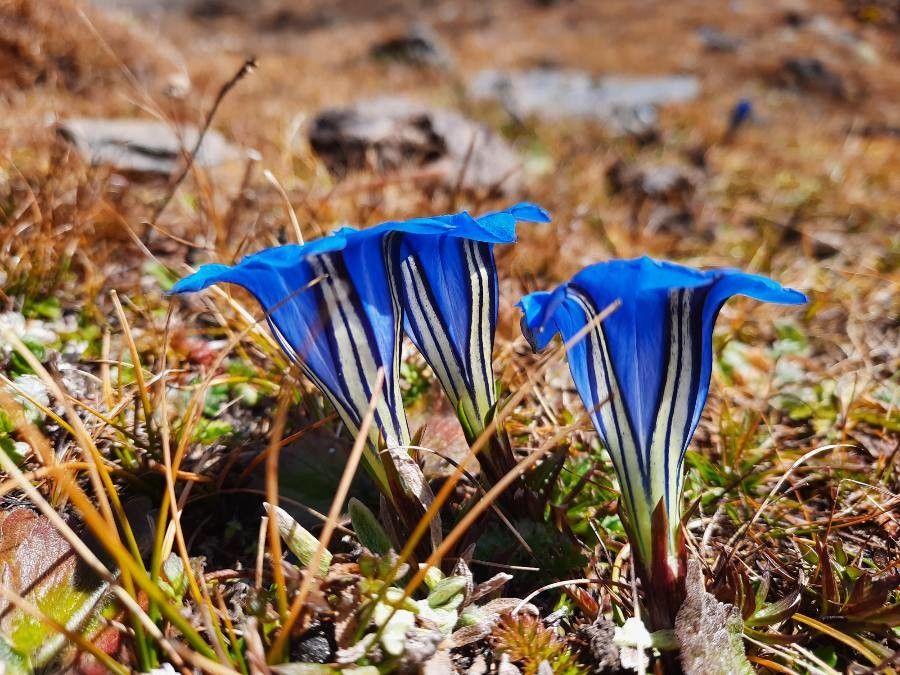
Unlocking the Secrets of the Snows: Propagating Gentiana nyalamensis
Gentiana nyalamensis, with its mesmerizing sky-blue trumpets blooming against a backdrop of pristine Himalayan snows, is a sight that captures the soul. This rare, high-altitude beauty, however, is not for the faint of heart when it comes to cultivation, let alone propagation. But fear not, fellow plant enthusiasts, for we’re about to delve into the fascinating, if slightly challenging, world of propagating this Himalayan gem.
Understanding the Challenge
Before we embark on our propagation journey, it’s crucial to understand why Gentiana nyalamensis poses a challenge. This alpine plant thrives in specific, often harsh, conditions difficult to replicate outside its natural habitat. Its preference for well-drained, rocky soil with consistent moisture, cool temperatures, and high-altitude sunlight makes it a finicky friend. Furthermore, seed viability can be low, and cuttings are notoriously tricky.
Method 1: The Dance of the Seeds
Propagating Gentiana nyalamensis from seed, while challenging, is an immensely rewarding experience. Here’s how:
- Sourcing Seeds: Obtaining seeds might be the first hurdle. Reputable online retailers specializing in alpine plants are your best bet.
- Cold Stratification: Mimicking nature is key here. Gentiana nyalamensis seeds require a period of cold dormancy to break dormancy. Sow seeds on the surface of a well-draining seed starting mix (equal parts sand, perlite, and peat moss work well) and keep them refrigerated (around 4°C) for 6-8 weeks.
- Sowing Time: Once stratified, sow the seeds in early spring, just as winter’s chill recedes.
- Light and Patience: Place your seed tray in a bright location, out of direct sunlight. Keep the soil consistently moist but not soggy. Germination is erratic and can take anywhere from a few weeks to a few months. Patience, dear gardeners, is your most valuable tool.
Method 2: The Art of Cuttings
Propagating Gentiana nyalamensis from cuttings is considered an advanced technique due to its lower success rate. However, for those willing to embrace the challenge, here’s a guide:
- Timing is Everything: Take basal cuttings (those taken from the base of the plant) in early spring when new growth emerges.
- Precision and Care: Using a sharp, sterile knife or pair of shears, take 3-4 inch cuttings, ensuring you include a node (where the leaf joins the stem). Remove the lower leaves.
- Rooting Hormone: Dip the cut end in rooting hormone to encourage root development.
- The Right Environment: Plant your cuttings in a well-draining mixture similar to the seed starting mix. Maintain a consistently moist environment and provide gentle bottom heat to stimulate root growth. A humidity dome can help create the ideal microclimate.
Nurturing Your Himalayan Treasure
Whether you’ve propagated from seed or cuttings, providing the right care is crucial:
- Well-Drained Soil: Sharp drainage is essential. Amend heavy soil with sand and gravel.
- Bright, Indirect Light: Mimic the dappled sunlight of their natural habitat.
- Consistent Moisture: Keep the soil evenly moist but never waterlogged.
- Cool Temperatures: Gentiana nyalamensis thrives in cool temperatures, especially during summer.
Propagating Gentiana nyalamensis is a labor of love, demanding patience, dedication, and a touch of green thumb magic. But the reward of seeing those ethereal blue blooms gracing your garden makes the challenge worthwhile. So go forth, intrepid gardeners, and may the spirit of the Himalayas guide your propagation journey!