
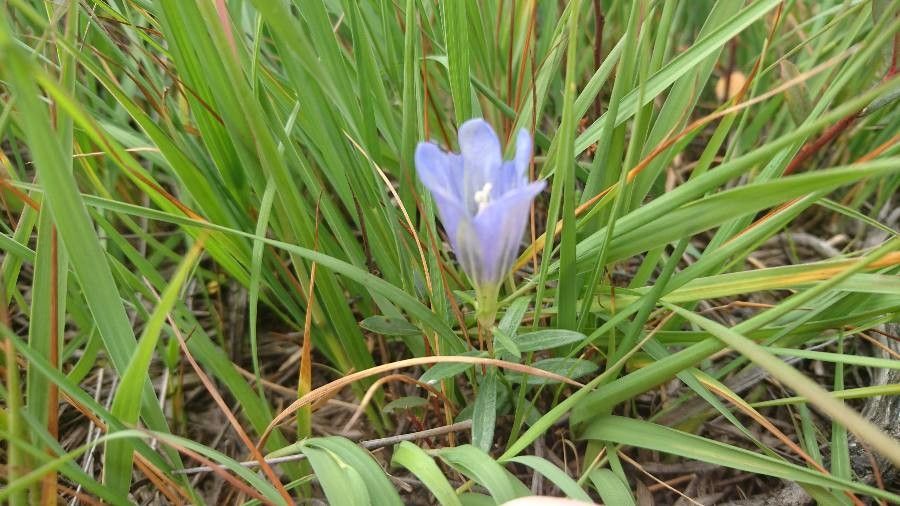
Taming the Marsh Gentian: A Guide to Propagating Gentiana pneumonanthe
The Marsh Gentian, with its vibrant blue trumpets heralding the end of summer, is a sight to behold. This enchanting wildflower (Gentiana pneumonanthe) can be a captivating addition to any garden, but cultivating it requires a bit of finesse. Whether you’ve been charmed by its beauty or are simply up for a horticultural challenge, this guide will equip you with the knowledge to successfully propagate the Marsh Gentian.
Understanding the Gentian’s Needs:
Before diving into propagation, it’s crucial to understand this plant’s unique preferences. The Marsh Gentian thrives in environments that mimic its natural habitat: damp meadows, bogs, and heathlands. Key factors for success include:
- Acidic soil: A pH between 4.5 and 6 is ideal.
- Moist but well-drained soil: Think consistently damp, not waterlogged.
- Full sun to partial shade: Aim for at least 4-6 hours of sunlight.
Propagation Techniques:
1. Seeds: The most common, albeit challenging, method.
- Timing is key: Sow fresh seeds immediately after collection in autumn.
- Cold stratification: Mimic winter by storing seeds in a moist paper towel in the refrigerator (4°C) for 4-6 weeks.
- Sowing: Sprinkle seeds on the surface of acidic, well-drained compost, and lightly press them in.
- Patience: Germination can be erratic, taking weeks or even months.
2. Division: A more reliable method for established plants.
- Timing: Divide in spring just as new growth emerges.
- Method: Carefully dig up the plant, separating the root ball into sections with a sharp knife, ensuring each section has roots and shoots.
- Replanting: Replant divisions at the same depth they were previously growing.
3. Basal Cuttings: A less common but viable method.
- Timing: Take cuttings in early spring.
- Method: Using a sharp knife, carefully remove small sections of the plant’s base where new shoots are emerging.
- Rooting: Place cuttings in a well-drained, acidic potting mix, and keep consistently moist.
Caring for your Marsh Gentian:
- Watering: Consistent moisture is key, especially during dry periods. However, avoid overwatering, which can lead to root rot.
- Feeding: Marsh Gentians aren’t heavy feeders. However, a light application of an ericaceous fertilizer in spring can be beneficial.
- Pests and Diseases: Generally, these plants are resistant but watch out for slugs and snails, especially in damp conditions.
The Rewards of Patience:
Propagating Gentiana pneumonanthe requires a patient and dedicated approach. But, the reward of seeing these stunning blue blooms grace your garden, attracting pollinators like bumblebees, makes the effort worthwhile. By following these guidelines and understanding this unique plant’s needs, you can successfully cultivate the captivating Marsh Gentian and enjoy its breathtaking beauty for years to come.