
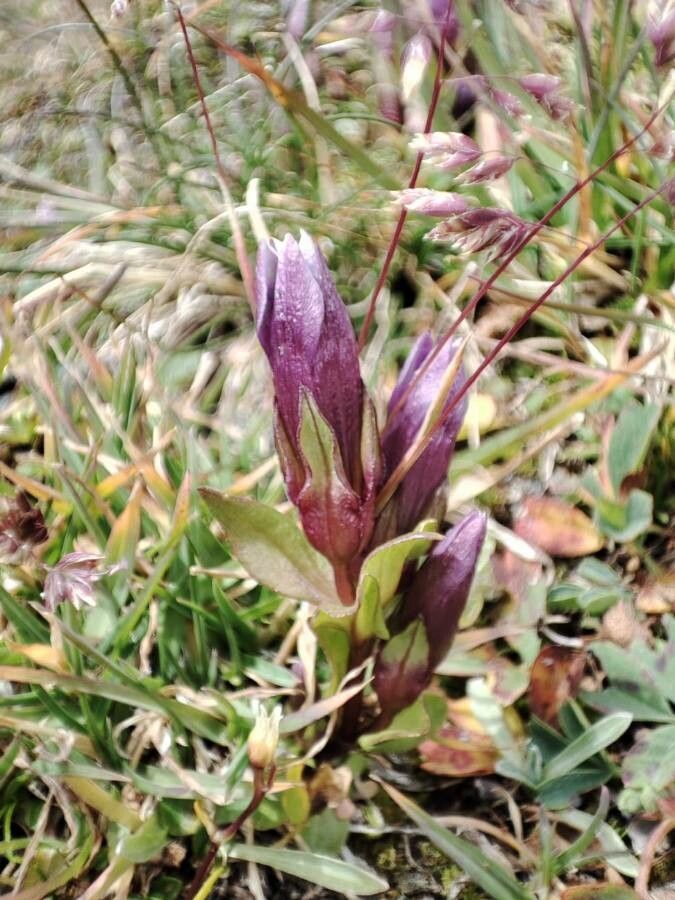
Taming the Wild Beauty: A Guide to Propagating the Elusive Gentianella amarella
The Gentianella amarella, also known as the Autumn Dwarf Gentian or the Bitterwort, is a sight to behold. With its delicate sky-blue star-shaped flowers crowning slender stems, it brings a touch of ethereal beauty to meadows and grasslands. Yet, this wildflower, with its preference for specific growing conditions, can be quite challenging to cultivate. If you’re enticed by its charm and have a hankering for a rewarding horticultural challenge, then read on to discover the secrets of propagating Gentianella amarella.
Understanding the Plant:
Before embarking on your propagation journey, it’s crucial to understand the plant’s lifecycle. Gentianella amarella is a biennial, meaning it completes its lifecycle in two years. The first year is spent developing a rosette of leaves, gathering energy for the grand spectacle of its second year – flowering and setting seed. This biennial nature plays a crucial role in how we approach its propagation.
Method 1: Seed Propagation:
- Timing is Key: Gentianella amarella seeds need a period of cold stratification to break dormancy. The best time to sow is in the fall, allowing the natural winter chill to work its magic.
- Sowing the Seeds: Use a well-draining, slightly acidic seed compost. Sprinkle the tiny seeds on the surface and lightly press them in, ensuring they receive light to germinate.
- Patience is a Virtue: Germination can be slow and erratic, taking anywhere from a few weeks to several months. Be patient and don’t give up! Maintaining consistent moisture and providing a cool, bright location will increase your chances of success.
- Transplanting: Once seedlings are large enough to handle, carefully prick them out and transplant them into individual pots. It’s best to avoid disturbing the roots as much as possible.
Method 2: Division:
- Limited Success: Dividing Gentianella amarella is tricky due to its delicate root system and biennial nature. While possible, it’s not the most reliable method and should only be attempted with established plants in early spring.
- Careful Approach: Gently lift the plant from the ground, trying to keep as much of the root system intact as possible. Using a sharp, sterilized knife or shears, carefully divide the plant into sections, ensuring each division has a good portion of roots and leaves.
- Replant Immediately: Quickly replant the divisions in their desired locations and water them well.
Creating the Ideal Environment:
Gentianella amarella thrives in well-drained soil, preferably sandy or gravelly, with a slightly acidic pH. It prefers a sunny location but will tolerate some light shade, especially in warmer climates. Remember, good drainage is crucial to prevent root rot, which can quickly decimate your plants.
Challenges and Rewards:
Propagating Gentianella amarella is not for the faint of heart. It requires patience, attention to detail, and a willingness to embrace a few failures along the way. However, successfully cultivating this delicate beauty from seed or division brings a sense of accomplishment like no other. Imagine a meadow in your backyard graced by the breathtaking blue hues of Gentianella amarella – a testament to your dedication and a haven for pollinators.
So, if you’re ready to embark on a rewarding horticultural adventure, consider giving Gentianella amarella a try. The journey might be challenging, but the reward of its ethereal beauty is well worth the effort.