
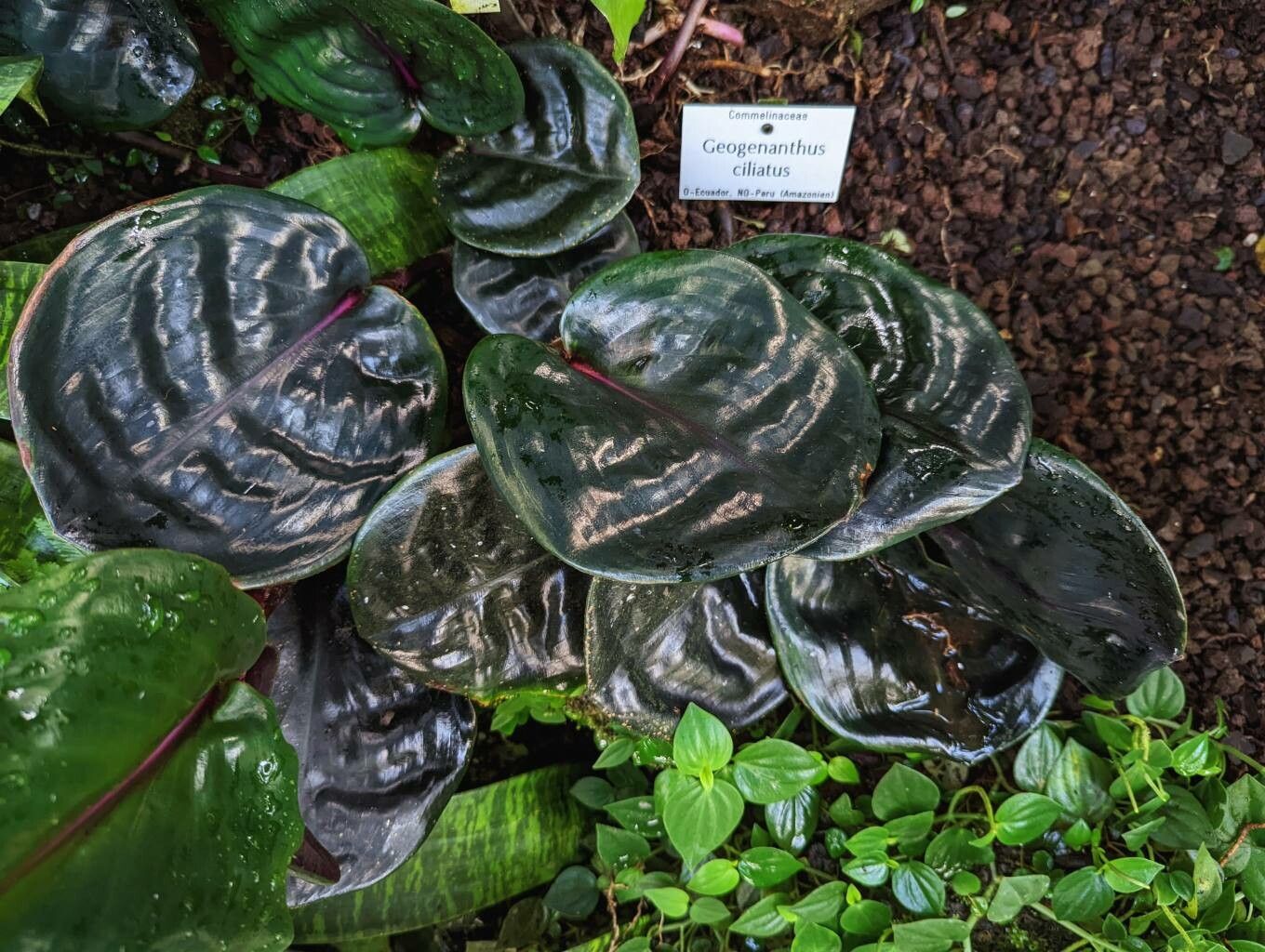
Propagating Geogenanthus ciliatus: Unveiling the Secrets of the Peacock Plant
Introduction:
Geogenanthus ciliatus, commonly known as the Peacock Plant, is a captivating member of the Commelinacae family, prized for its strikingly iridescent foliage. The leaves, displaying a mesmerizing blend of emerald green, silver, and purple hues, create a shimmering effect that resembles a peacock’s feather, hence its common name. Its relatively compact size and low-maintenance nature have propelled its popularity among houseplant enthusiasts. However, propagating this stunning plant presents unique challenges, making successful propagation a rewarding endeavor for the dedicated gardener.
Seed Germination:
Currently, there are no known reliable methods for seed germination propagation of Geogenanthus ciliatus. While the plant produces seeds, their viability and germination rate are extremely low, rendering seed propagation impractical for most home gardeners.
Cuttings:
- Challenges: Geogenanthus ciliatus is notoriously difficult to propagate from cuttings. The cuttings are prone to rot before rooting, especially in humid conditions. Finding the right balance of moisture and airflow is crucial.
- Practical Tips: Stem cuttings, taken from healthy, actively growing shoots, are the preferred method. Remove the lower leaves to prevent rot and dip the cut end in a rooting hormone powder to encourage root development. Plant the cuttings in a well-draining, sterile propagation mix (e.g., perlite and peat moss), ensuring good airflow around the cuttings. Maintaining high humidity (using a humidity dome or plastic bag) is important, but avoid overly saturated conditions which lead to rot. Bottom heat can also promote rooting.
- Rewards: While challenging, successful stem cutting propagation offers a relatively straightforward method for increasing your plant collection, although it is time consuming and may have limited success.
Division:
- Challenges: Division, while often successful, requires a mature, well-established Geogenanthus ciliatus plant with sufficient rhizomes. Care must be taken to avoid damaging the delicate roots during the process.
- Practical Tips: The best time for division is during the spring or early summer when the plant is actively growing. Gently remove the plant from its pot and carefully separate the rhizomes, ensuring each division has a healthy portion of roots and foliage. Plant each division in its own pot with well-draining potting mix.
- Rewards: Division offers a quicker and often more reliable method of propagation compared to cuttings, resulting in multiple plants from a single parent. This method preserves the genetic characteristics of the parent plant.
Tissue Culture:
- Challenges: Tissue culture propagation requires specialized equipment, sterile techniques, and a working knowledge of plant tissue culture protocols. This method is not typically feasible for home gardeners.
- Practical Tips: This method involves sterilizing plant material and growing it in a sterile nutrient medium under controlled conditions. It allows for rapid and large-scale propagation of genetically identical plants. However specialized labs and expertise are necessary.
- Rewards: Tissue culture offers the possibility of mass producing plants, preserving rare cultivars, and eliminating diseases through the selection of healthy plant material for propagation.
Conclusion:
Propagating Geogenanthus ciliatus presents several challenges, with cuttings and division offering the most realistic options for the home gardener. Seed propagation is largely unreliable, while tissue culture requires specialized expertise and equipment. The rewards, however, are worth the effort. Successfully propagating this mesmerizing plant provides a deep sense of accomplishment, a testament to patience, meticulous care, and a keen understanding of the plant’s needs. Even with the challenges, the shimmering beauty of the Peacock Plant makes the effort undeniably worthwhile. Don’t be discouraged by initial setbacks; experiment with different techniques, learn from your experiences, and celebrate each successful propagation as a victory. The unique satisfaction of cultivating these iridescent beauties is a reward in itself.