
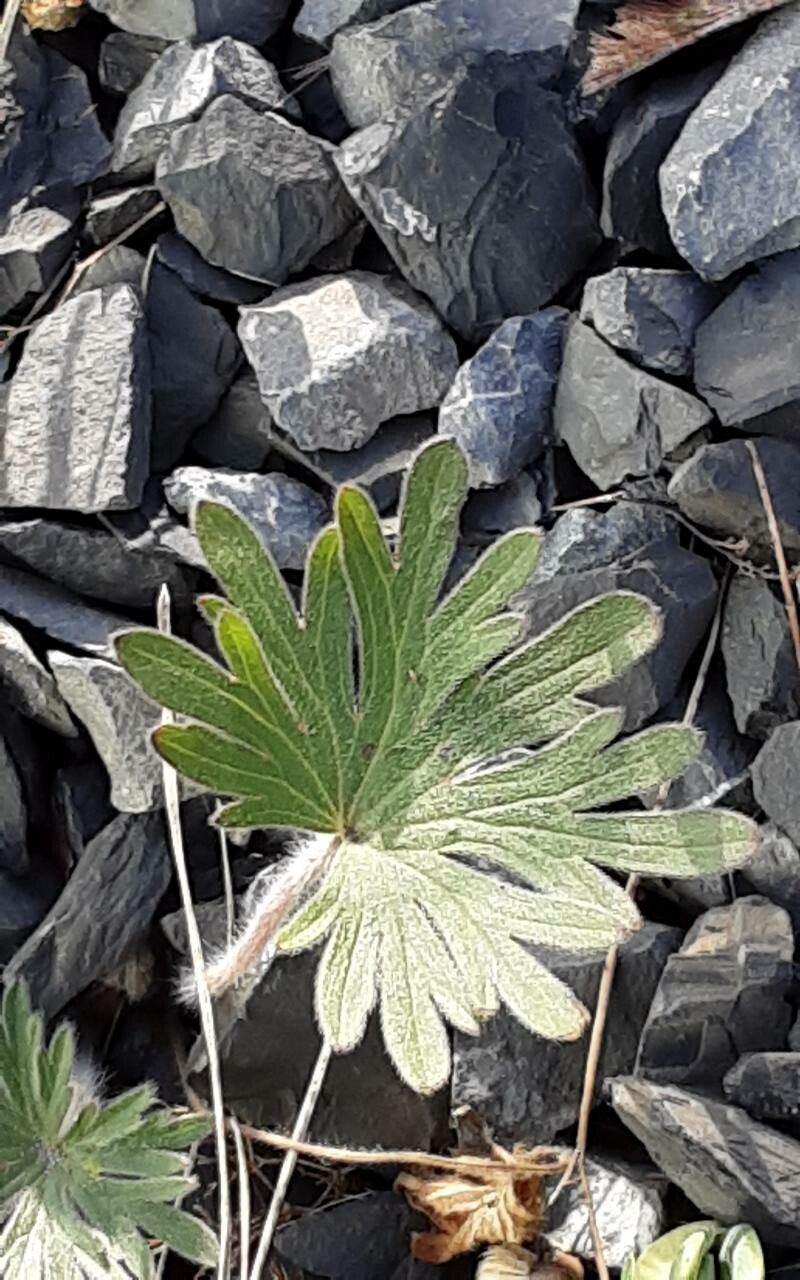
Propagating Geranium argenteum: A Silver-Leafed Challenge
Introduction:
Geranium argenteum, commonly known as Silver Geranium or Dusty Miller Geranium, is a captivating plant prized for its silvery, deeply lobed foliage. This low-growing, hardy perennial adds a textural contrast to gardens, often used as groundcover or in rock gardens. Its delicate beauty and relative ease of care contribute to its popularity among gardeners, but propagating it presents unique challenges, often demanding more patience and skill than similar geranium species. Its propagation success relies heavily on understanding its specific needs and adopting the appropriate techniques.
Seed Germination:
Currently, there are no known reliable methods for seed germination propagation of Geranium argenteum. While Geranium species in general can reproduce via seed, Geranium argenteum exhibits poor seed viability and germination rates. Seed production is often scant, and even under ideal conditions, successful germination remains a low probability. Therefore, this method is generally not recommended.
Cuttings:
Cuttings present a more reliable option for propagating Geranium argenteum.
Challenges: The success rate can depend on timing and technique. Using older, woody stems yields lower success rates than younger, softer growth. Root rot is a potential issue if conditions are too wet.
Practical Tips: Take semi-hardwood cuttings in late spring or early summer. Use rooting hormone to boost success. Plant cuttings in a well-draining, moist potting mix, maintaining humidity using a cloche or plastic bag. Ensure good air circulation to prevent fungal diseases.
Rewards: Cuttings offer a relatively quick way to produce genetically identical offspring, preserving desirable traits. This method allows the gardener to quickly expand their stock of this aesthetically pleasing plant.
Division:
Division is a highly effective method for propagating Geranium argenteum.
Challenges: The plant may be slow to establish after division if not handled carefully. Dividing too small a section can lead to failure.
Practical Tips: The best time for division is during spring or early autumn when the plant is actively growing but not flowering. Carefully dig up the mature plant and gently separate it into smaller portions, ensuring each division contains healthy roots and shoots. Replant immediately in well-drained soil. Water thoroughly after planting.
Rewards: Division offers a quick and easy way to increase plant numbers. It avoids the challenges associated with cuttings and results in well-established plants more quickly.
Tissue Culture:
While tissue culture is a possibility for Geranium argenteum propagation, it is not a commonly employed method for home gardeners.
Challenges: This method requires specialized equipment, sterile conditions, and a high level of horticultural expertise. It is generally more expensive and complex than other methods.
Practical Tips: This technique is best left to professionals or those with extensive experience in plant tissue culture. Sterile technique is vital to prevent contamination. Appropriate growth media and hormonal regulators are necessary for optimal growth.
Rewards: This method is ideal for mass propagation and producing plants free from diseases.
Conclusion:
Propagating Geranium argenteum presents challenges, with seed germination being practically infeasible. Cuttings provide a viable, albeit somewhat temperamental, method, while division offers the most reliable and practical approach for home gardeners aiming to expand their stock. Tissue culture remains an option for large-scale propagation but requires specialized knowledge and resources. The rewards, however, make the effort worthwhile. The unique beauty and textural contribution of the Silver Geranium to a garden are a testament to the dedication required to cultivate this charming plant. For aspiring propagators, focusing on division and mastering the art of cuttings will offer the greatest likelihood of success and the significant satisfaction of nurturing these silvery gems through propagation. Don’t be discouraged by initial setbacks; persevere, learn from your experiences, and the reward of a flourishing collection of Geranium argenteum will be well worth the effort.