
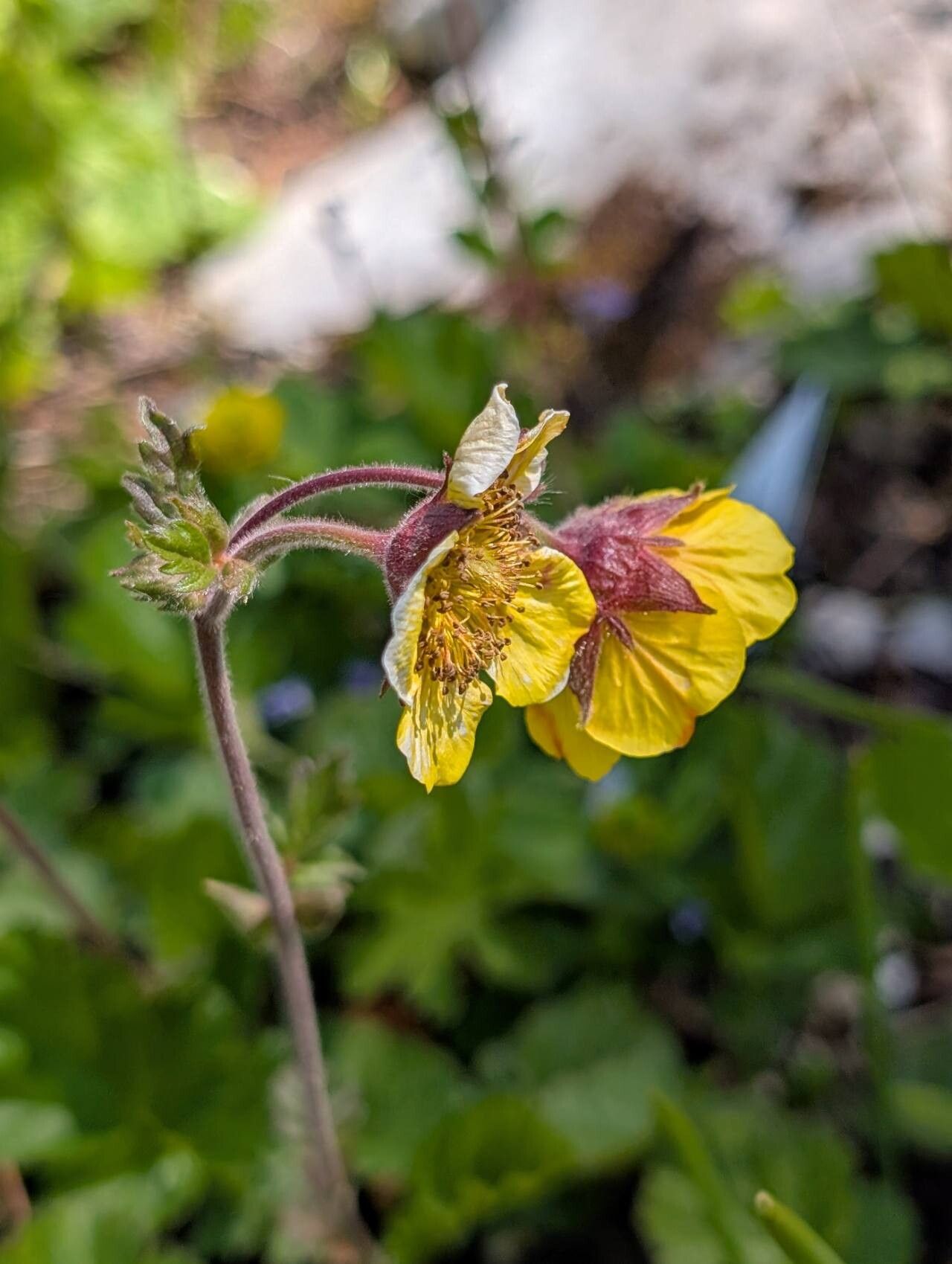
Propagating Geum × sudeticum: A Gardener’s Guide to the Orange Avens
Geum × sudeticum, commonly known as Orange Avens, is a prized possession amongst gardeners. This striking hybrid boasts vibrant orange-red, cup-shaped flowers held aloft on sturdy stems above attractive, deeply lobed foliage. Its long flowering season, relative ease of care, and tolerance of a range of conditions make it a popular choice for borders, rock gardens, and even containers. However, propagating this beauty can present some unique challenges. This article explores various propagation methods, highlighting both the hurdles and the rewards.
Seed Germination:
Currently, there are no known reliable methods for seed germination propagation of Geum × sudeticum. While the parent species may produce viable seed, the hybrid nature of Geum × sudeticum frequently results in sterility or significantly reduced seed viability. Attempts at germination often yield poor results, even with pre-treatment like stratification. Therefore, relying on seed propagation for this plant is generally not recommended.
Cuttings:
Propagating Orange Avens from cuttings offers a more reliable approach than seed germination. However, it still presents some challenges.
Challenges: Success rates with cuttings can be variable. Softwood cuttings taken in spring or early summer show the best potential, but the rooting process can be slow and requires careful attention to humidity and temperature. Some sources suggest that hormone rooting powder may increase success rates.
Tips: Take cuttings approximately 4-6 inches long, removing lower leaves to prevent rotting. Use a well-draining propagation mix, maintain high humidity (using a propagator or plastic bag), and keep the cuttings in bright, indirect light. Regular misting is essential.
Rewards: Cuttings provide genetically identical plants to the parent, ensuring the continuation of desirable traits. This method is suitable for medium-scale propagation.
Division:
Division is arguably the easiest and most reliable method for propagating Geum × sudeticum.
Challenges: This method is only viable when the plant is well-established and has formed sufficiently large clumps. This usually means waiting several years after planting. Dividing too early can weaken or even kill the mother plant.
Tips: Divide the clump in spring or autumn when the plant is either actively growing or dormant. Ensure each division has healthy roots and several growing points. Plant the divisions immediately in well-prepared soil, allowing ample space for growth.
Rewards: Division is a quick and efficient method, producing multiple plants rapidly. It is considered the most practical option for gardeners wanting to expand their existing plants.
Tissue Culture:
Tissue culture propagation, though potentially yielding a large number of plants from a small sample, is rarely a practical option for home gardeners.
Challenges: Tissue culture requires specialized equipment, a sterile laboratory environment, and significant expertise. The cost and technical demands make it impractical for most amateur propagators.
Tips: This method is best left to professional nurseries or specialized laboratories.
Rewards: Tissue culture offers the potential for large-scale propagation and the production of disease-free plants.
Conclusion:
Propagating Geum × sudeticum successfully requires patience and attention to detail. While seed germination is unreliable, cuttings offer a reasonable alternative though with variable success rates. Division remains the easiest and most practical method for most gardeners. Tissue culture, while highly efficient, is beyond the reach of the average plant enthusiast. The unique satisfaction derived from successfully propagating this beautiful plant, born from overcoming the inherent challenges, is undoubtedly significant. Don’t be discouraged by initial setbacks – experimentation and persistence will ultimately reward you with the vibrant beauty of more Orange Avens in your garden. Begin with division if possible, and if you’re feeling ambitious, try your hand at cuttings. The success you achieve will be well worth the effort.