
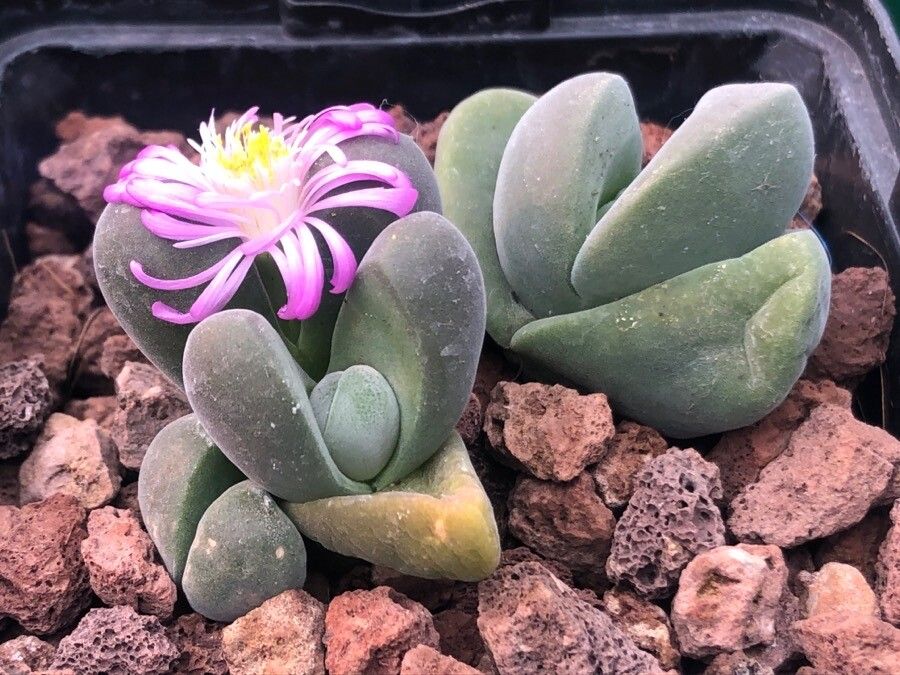
From One to Many: Mastering the Art of Propagating Gibbaeum Album
The captivatingly plump, succulent leaves of Gibbaeum album, often likened to tiny green pebbles, make it a cherished addition to any succulent collection. But did you know that this beautiful plant can be easily propagated, allowing you to share its unique charm with others or simply expand your own collection?
In this guide, we’ll explore the secrets of propagating Gibbaeum album, from the basics of leaf cuttings to the intricacies of seed germination. Whether you’re a seasoned succulent enthusiast or a curious beginner, this comprehensive overview will empower you to create a thriving miniature “Gibbaeum” forest.
Leaf Cuttings: The Simplest Path to New Plants
Let’s begin with the easiest and most widely practiced method: leaf cuttings. Gibbaeum album readily produces new plants from fallen leaves, or even healthy leaves carefully removed from the mother plant.
- Select Healthy Leaves: Choose plump, vibrant leaves, ideally near the base of the plant. Avoid any damaged or diseased leaves.
- Preparation: Carefully twist or gently snap the selected leaves from the plant. Allow the cut ends to dry for a day or two, forming a protective callus.
- Planting: Choose a well-draining succulent potting mix and fill a small pot or tray. Lightly press the calloused ends of the leaves into the mix, ensuring there’s some contact with the soil.
- Placement: Position the pot in a bright, indirect location, ideally with some light filtering through a window. Avoid direct sunlight, which can scorch delicate new growth.
- Watering: Water sparingly, allowing the soil to dry almost completely between waterings. Overwatering can lead to rot.
With a bit of patience, you’ll notice tiny bulblets (new plantlets) forming at the base of the leaves. These bulblets will eventually develop roots and take on the familiar fleshy appearance of a mature Gibbaeum album.
The Art of Seed Propagation
For those seeking a more challenging and rewarding experience, seed propagation offers the thrill of cultivating a new generation of Gibbaeum album from scratch.
- Sowing: Start with high-quality seeds from a reputable source. Choose a shallow seed tray or pot filled with a specialized seed-starting mix.
- Spread the Seeds: Distribute the seeds thinly across the surface of the soil, gently patting them down. Do not bury them as they need light to germinate.
- Moisture and Light: Mist the seeds lightly with water, keeping the mix consistently damp but not soggy. Cover the tray with clear plastic wrap or a humidity dome to maintain moisture. Place the container in a bright, indirect light setting.
- Patience is Key: Gibbaeum album seeds can take several weeks to germinate, so patience is essential. Avoid disturbing the tray during this time, as this can damage delicate seedlings.
- Thin as Needed: Once seedlings emerge, thin them out to give each plant ample space to grow. This ensures healthy, vigorous growth.
Nurturing Your New Plants
Regardless of your propagation method, consistent care is crucial for successful growth.
- Sunlight: Gibbaeum album thrives in bright, indirect light. Avoid situations where they are exposed to direct, intense sunlight.
- Watering: Water thoroughly, allowing the soil to dry out completely between waterings. Overwatering is the most common cause of failure in succulent cultivation.
- Transplanting: As your plants grow larger, gently re-pot them into larger containers with well-draining succulent potting mix. Choose a pot size that accommodates their root systems.
- Fertilizing: Once your new plants are well established, provide them with a diluted, balanced succulent fertilizer once a month during the growing season.
Cultivating Your Own “Gibbaeum” Forest
By following these simple steps, you can embark on the rewarding journey of propagating Gibbaeum album. With a touch of patience, careful observation, and a passion for the unique beauty of succulents, you can reap the rewards of your efforts and create a thriving miniature landscape of these charming “living pebbles.”