
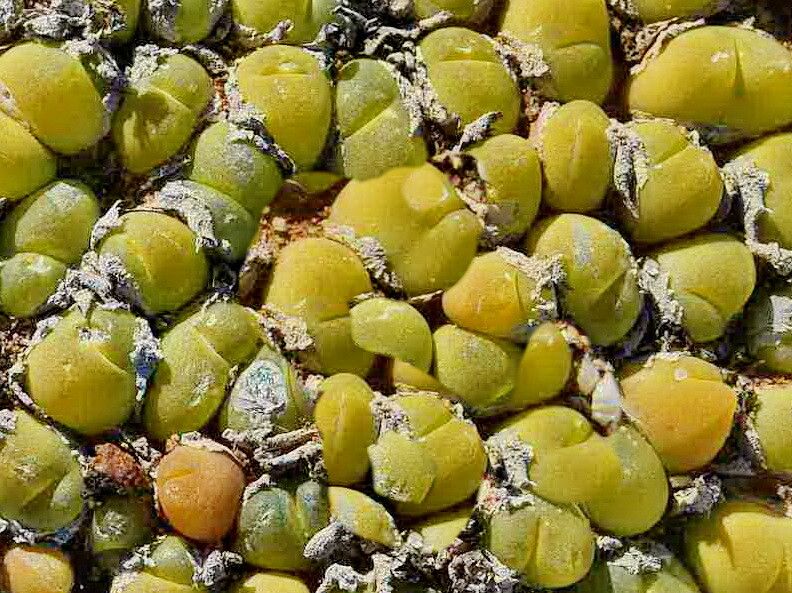
Growing Your Own “Living Stones”: A Guide to Propagating Gibbaeum nuciforme
The Gibbaeum nuciforme, also known as the “Living Stone” for its uncanny resemblance to smooth pebbles, is a fascinating succulent that captivates plant enthusiasts with its unique appearance and relative ease of care. But what if you wanted to share this beauty with others or simply expand your own collection? Fortunately, propagating these captivating plants is surprisingly straightforward.
The Charm of Gibbaeum nuciforme Propagation
The beauty of propagating Gibbaeum nuciforme lies in its versatility. You can choose between two primary methods:
- Leaf Cuttings: This method is simple, even for beginners, and allows you to multiply your plants quickly.
- Seed Propagation: This method is a little more time-consuming but rewards you with a sense of accomplishment and the joy of watching tiny seedlings grow into full-sized plants.
Leaf Cutting Propagation: A Step-by-Step Guide
- Select Healthy Leaves: Choose plump, healthy leaves from your mature Gibbaeum nuciforme plant. Look for leaves without any signs of damage or disease.
- Properly Prepare the Cut: Using a sharp, sterile knife or scissors, make a clean cut at the base of the selected leaf. Leave the leaf to dry for a few days in a cool, dry, shaded place. This allows the wound to heal and prevents rot.
- Prepare the Planting Medium: Use a well-draining succulent mix or create your own by blending equal parts of pumice, perlite, and potting soil. This will ensure that the roots don’t sit in water, minimizing the risk of rot.
- Planting the Leaf Cuttings: Gently press each leaf cutting into the prepared potting mix, leaving the bottom half exposed. Don’t bury the entire leaf, as this can lead to rotting.
- Provide Ideal Conditions: Place the potted cuttings in a bright, warm location but avoid direct sunlight. Keep the potting mix slightly moist, but do not overwater! Be patient, as it can take several weeks for new roots to develop and even longer for new growth to appear.
Seed Propagation: A Journey of Patience
- Collect or Buy Seeds: Gibbaeum nuciforme seeds can be collected from mature plants or purchased from reputable nurseries.
- Start in Trays: Fill seed trays with a well-draining seed starting mix. Water the mix thoroughly and allow it to drain completely.
- Sow the Seeds: Sow the Gibbaeum nuciforme seeds very lightly on the surface of the moistened soil.
- Provide Ideal Conditions: Place the seed trays in a bright, warm location, but avoid direct sunlight. Cover the trays with plastic wrap or use a humidity dome to maintain moisture.
- Germination and Growth: Consistent moisture and moderate warmth are key to successful germination. It can take anywhere from several weeks to a few months for the seeds to sprout. Once the seedlings have developed a few sets of true leaves, you can gently transplant them into individual pots containing well-draining succulent mix.
Essential Tips for Success
- Utilize a Sterile Tool: Sterilize your knives or scissors before and after use to prevent the spread of bacteria and fungus.
- Control Pests and Diseases: Keep a watchful eye out for potential pests like mealybugs, aphids, and spider mites. Promptly address any signs of infestation with appropriate methods.
- Proper Watering is Key: Remember that Gibbaeum nuciforme thrives with infrequent watering. Allow the soil to dry completely between waterings and avoid overwatering, which can lead to root rot.
Conclusion:
Propagating Gibbaeum nuciforme is a rewarding and fulfilling experience. Whether you choose the leaf cutting method for a quick and easy solution or embark on the seed propagation path for a more hands-on journey, witnessing these fascinating succulents flourish under your care is truly fulfilling. Happy propagating!