
Unlocking the Secrets of Propagation: Bringing More ‘Indian Physic’ to Your Garden
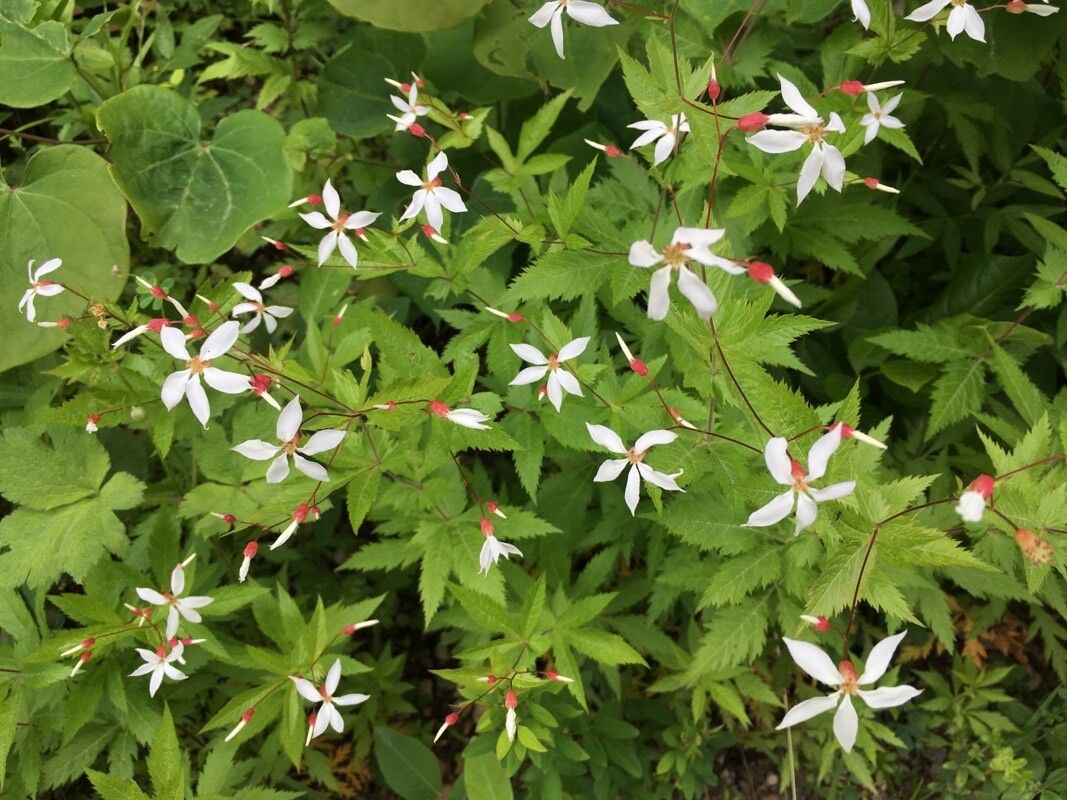
The graceful, delicate beauty of Gillenia stipulata, also known as Indian Physic, is a sight to behold. Its airy foliage and elegant clusters of white flowers lend a touch of ethereal charm to any garden. But what if you could multiply this captivating plant and enjoy even more of its presence?
Luckily, propagating Gillenia stipulata is surprisingly easy, opening up the world of plant propagation to even beginners. Let’s explore the secrets to successfully growing more of this enchanting native.
Easy as Pie: Division
For the simplest approach, opt for division. This technique, best performed in spring or fall, involves separating mature clumps into smaller, independent plants.
- Gentle Excavation: Carefully dig up the established Gillenia stipulata clump.
- Sharp Division: Use a sharp knife or garden trowel to carefully divide the clump into smaller sections, ensuring each section has healthy roots and foliage.
- Replant & Water: Replant the divisions in well-prepared soil and water generously.
From Seed to Growth
If you’re feeling adventurous or want to create a larger number of plants, seed propagation is another option. As with division, the best time for sowing seeds is in spring.
- Seed Collection: Collect mature seeds from your Gillenia stipulata plant in autumn.
- Stratification: To break dormancy and encourage germination, seeds need cold stratification. Place seeds in a damp paper towel or vermiculite and store them in the refrigerator for 8-12 weeks.
- Sowing: After stratification, sow the seeds in a well-drained seed starting mix, barely covering them with soil. Protect them from direct sunlight and keep the soil consistently moist.
- Thinning: Once seedlings are a few inches tall, thin them out, leaving the strongest one in each pot or planting space.
Planting & Care
Whether you propagated by division or seed, the care for your new Gillenia stipulata plants is relatively straightforward.
- Soil: Choose a partially shaded location with well-drained, slightly acidic soil.
- Watering: Keep the soil consistently moist, especially during the first year after planting.
- Fertilizer: While not necessary, a light application of compost or balanced fertilizer in spring can help promote healthy growth.
Enjoying the Rewards of Propagation
By embracing these simple propagation techniques, you can easily cultivate more of this enchanting native wildflower. Not only will this expand your garden’s beauty, but it also allows you to share this special plant with friends and neighbors, fostering the joy of gardening and the love for native flora. So, why not unlock the secrets of propagation and enjoy the captivating charm of Indian Physic in your own garden and beyond?