
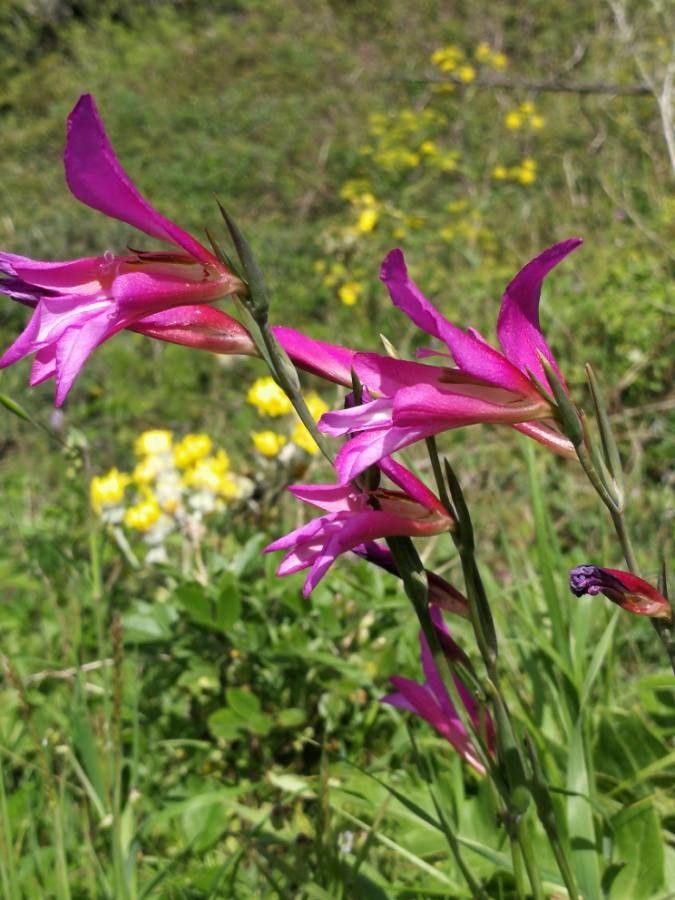
Unlocking the Mystery of Gladiolus illyricus Propagation: A Guide for Beginners
The Gladiolus illyricus, also known as the Balkan gladiolus, is a striking wildflower with delicate, vibrant blooms that add a splash of color to any garden. But what if your garden doesn’t have one? Fear not, propagating this beauty is simpler than you might think! Let’s delve into the world of gladiolus propagation, uncovering the secrets to cultivating your own patch of these stunning flowers.
Understanding the Basics of Gladiolus illyricus Propagation
Gladiolus illyricus, like many other gladiolus species, can be propagated through two primary methods: corms and seeds.
- Corms: These are essentially thickened underground stems that act as storage organs for the plant. They resemble small bulbs and are the most common way to propagate gladioli.
- Seeds: While less common, seeds can also be used to cultivate new plants. However, it’s important to note that seedlings might take longer to bloom than plants grown from corms.
Dividing Corms: The Easy Path to Multiplication
The easiest and most reliable method for multiplying your gladiolus collection is through corm division. Here’s a step-by-step guide:
- Timing is Key: The ideal time to divide corms is during the plant’s dormant period, typically in late summer to early fall, after the foliage has died back.
- Careful Excavation: Gently dig up the corms, taking care not to damage them.
- Separation and Inspection: Carefully separate the corms, ensuring each one has a healthy growth point. Discard any soft or damaged corms.
- Preparation for Planting: The new corms can be planted immediately or stored in a cool, dry place until spring.
- Planting Basics: Plant the corms at a depth of about 3-4 inches, spacing them 6-8 inches apart.
Seed Propagation: A Journey for the Patient Gardener
If you want to embark on a more adventurous propagation journey, seed sowing is an option. Be warned, it’s a bit more time-consuming!
- Harvesting Seeds: Collect mature seed pods from the plant and store them in a dry, cool place until planting.
- Spring Planting: Sow the seeds in late winter or early spring in a well-drained seed tray filled with a seed-raising mix.
- Light and Moisture: Keep the seeds moist and provide them with adequate sunlight.
- Patience is Key: New plants may take a few months to germinate, and it could be a year or two before they bloom.
Tips for Successful Propagation
- Soil Preference: Gladiolus illyricus thrives in well-drained soil. Consider adding compost or sand to improve drainage if needed.
- Sunlight Requirements: Ensure your gladioli receive at least six hours of direct sunlight per day.
- Water Wisely: Water regularly, especially during periods of drought.
- Pest Control: Be vigilant for pests like snails and slugs that can damage the plants.
Beyond the Garden: The Joy of Sharing
Propagating your gladiolus illyricus corms or seedlings allows you to not only expand your own garden but also share the beauty with others. Gift a couple of corms to friends or donate some to a local community garden. Spread the joy of these stunning blooming plants!
Cultivating gladiolus illyricus is a rewarding and achievable endeavor. Whether you opt for the simplicity of corm division or the challenge of seed propagation, the process offers a unique connection to the natural world. So, get ready to watch these vibrant blooms enrich your garden and bring a touch of wild beauty right to your doorstep.