
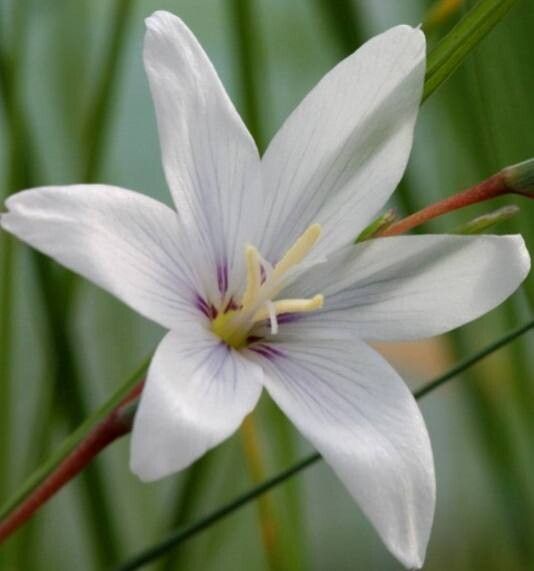
Unlocking the Secrets of Gladiolus Quadrangulus Propagation: A Guide to Growing this Rare Beauty
The Gladiolus quadrangulus, with its uniquely charming, bell-shaped blooms and vibrant colors, is a true gem for any plant enthusiast. However, unlike its more common Gladiolus cousins, this South African native can be a bit more elusive to propagate. But fret not, intrepid gardener! This comprehensive guide will equip you with the knowledge to successfully cultivate and multiply your very own Gladiolus quadrangulus.
Understanding the Plant
Before diving into propagation, it’s essential to understand the Gladiolus quadrangulus’s life cycle. This species grows from corms, which are underground storage structures similar to bulbs. These corms are the key to successfully propagating the plant and ensuring its continued growth year after year.
Propagation Techniques
1. Corm Division:
- Timing: The best time to divide corms is in the fall after the foliage has died back.
- Process: Carefully dig up the clumps and gently separate the corms. Each corm should have a visible growing point or “eye.” Replant immediately, spacing them about 4-6 inches apart and 3-4 inches deep.
2. Growing from Seed:
- Timing: Sow seeds indoors in late winter or early spring.
- Process: Use a well-draining seed starting mix and sow seeds about 1/4 inch deep. Keep the soil consistently moist and provide ample light. Be patient, as germination can take several weeks. Once seedlings are large enough to handle, transplant them into individual pots and gradually acclimate them to outdoor conditions before planting in the garden.
3. Utilizing Cormels:
- What they are: Cormels are tiny cormlets that form around the base of the mother corm.
- Process: When dividing your corms, separate the cormels and store them in a cool, dry place until spring. Plant them like seeds in the spring, and within a season or two, they will develop into mature corms capable of flowering.
Essential Growing Conditions
- Sunlight: Gladiolus quadrangulus thrives in full sun to partial shade. Aim for at least 6 hours of direct sunlight per day.
- Soil: Choose a well-draining soil with a slightly acidic to neutral pH. Amending with compost or well-rotted manure can enhance drainage and fertility.
- **Water