
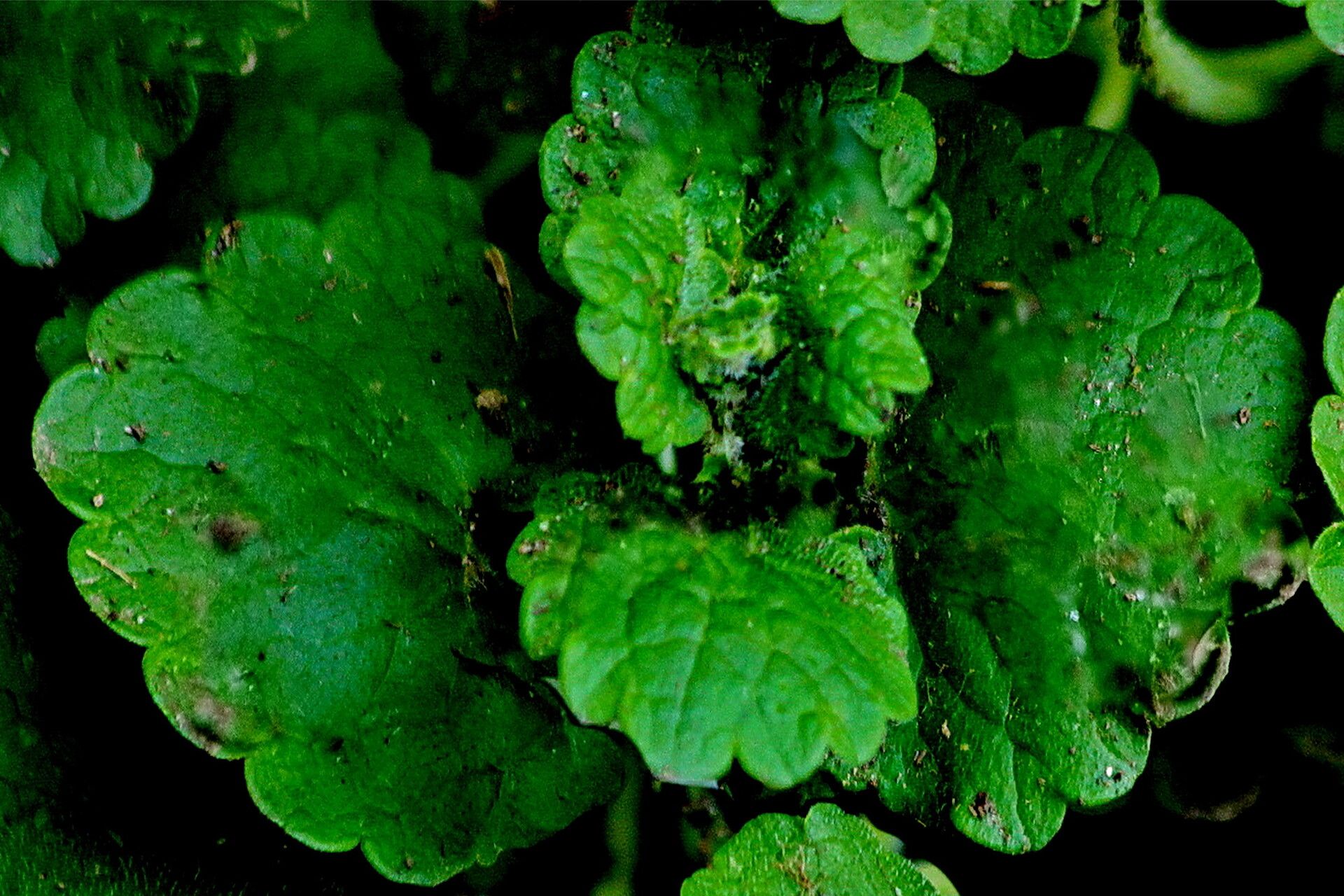
Propagating Glechoma sardoa: A Gardener’s Guide to Sardinian Ground Ivy
Glechoma sardoa, commonly known as Sardinian ground ivy, is a captivating creeping perennial prized for its attractive, rounded leaves and charming, lavender-blue flowers. Its resilience and low-maintenance nature have made it a popular choice among gardeners seeking robust groundcover for shady areas. However, propagation of this delightful plant presents unique challenges, varying significantly depending on the chosen method. This article explores the various techniques available, weighing their advantages and disadvantages.
Seed Germination:
Currently, there are no known reliable methods for seed germination propagation of Glechoma sardoa. While the plant produces seeds, germination rates are reportedly extremely low, making this method impractical for most gardeners. Further research into specific germination requirements, such as light exposure, temperature, and stratification techniques, is needed to determine the feasibility of seed propagation.
Cuttings:
Cuttings offer a more reliable method for propagating Glechoma sardoa.
Challenges: Rooting success can be inconsistent, dependent on factors such as the timing of the cuttings, the quality of the rooting medium, and humidity levels.
Practical Tips: Take stem cuttings in spring or early summer, selecting non-flowering shoots about 4-6 inches long. Remove lower leaves, dip the cut ends in rooting hormone, and plant them in a well-draining, moist potting mix. Maintain high humidity by covering the cuttings with a plastic bag or dome, ensuring good air circulation to prevent fungal diseases. Keep the cuttings consistently moist but not waterlogged.
Rewards: This method allows for relatively quick propagation, producing genetically identical plants to the mother plant. It is ideal for small-scale propagation to expand existing plantings.
Division:
Division is perhaps the most effective and widely used method for propagating Glechoma sardoa.
Challenges: Division is best done in spring or autumn, requiring careful handling to avoid damaging the fragile roots. Overly aggressive division can stress the plant, reducing success rates.
Practical Tips: Gently dig up a mature plant, carefully separating the root ball into several smaller sections, each with its own healthy roots and shoots. Replant the divisions immediately, ensuring sufficient spacing to allow for growth. Water thoroughly after planting.
Rewards: Division provides a high success rate, allowing for rapid multiplication of desirable plants. It’s a straightforward method, readily accessible to gardeners of all skill levels.
Tissue Culture:
Tissue culture offers the potential for large-scale propagation and disease-free plants but is generally not a practical option for home gardeners.
Challenges: Tissue culture requires specialized equipment, sterile techniques, and a significant understanding of plant tissue culture protocols. It is a complex and expensive process.
Practical Tips: This method is best left to professional nurseries or research facilities.
Rewards: Tissue culture can generate a large number of genetically identical plants rapidly, facilitating mass production. It minimizes the risk of disease transmission.
Conclusion:
While seed germination remains unproven for Glechoma sardoa, cuttings and division provide reliable methods for propagation. Division often enjoys the highest success rate and is the most accessible method for home gardeners. The complexity and cost of tissue culture make it impractical for amateur propagators.
Successful propagation of Glechoma sardoa, regardless of the chosen method, offers a unique sense of accomplishment. Overcoming the challenges and witnessing the vibrant growth of these tenacious plants is deeply rewarding. So, armed with this knowledge, embrace the adventure, experiment with different techniques, and enjoy the journey of cultivating this charming Sardinian ground ivy.