
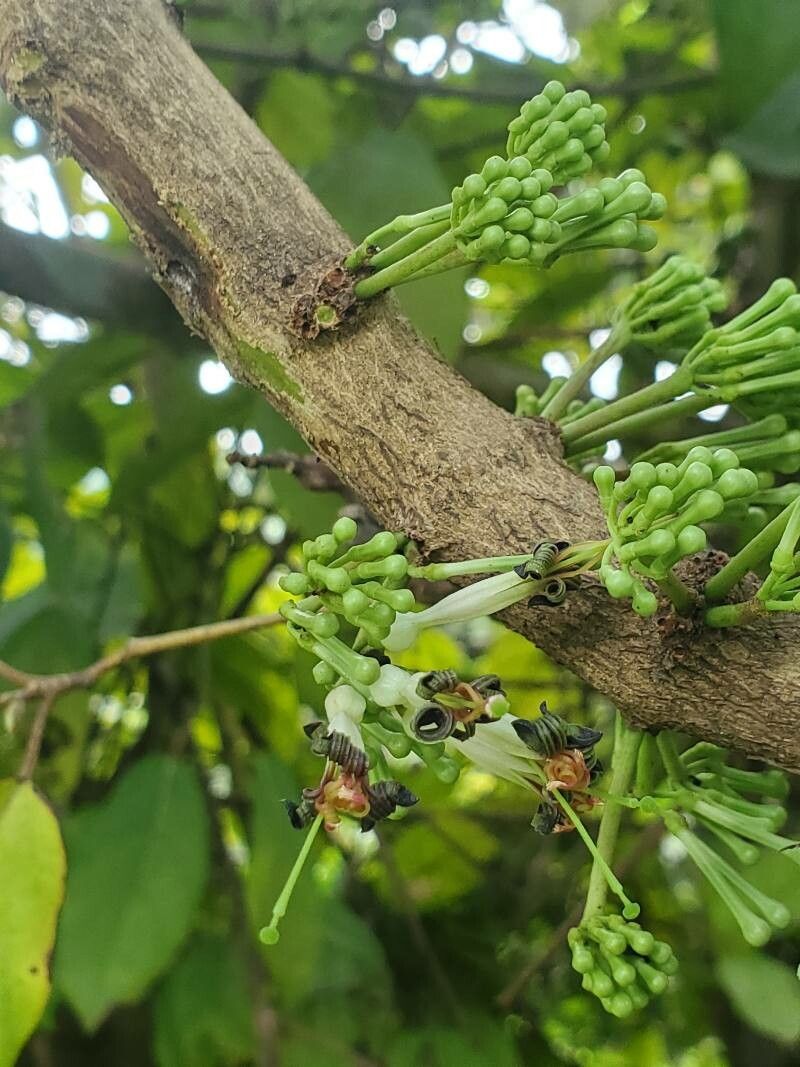
Unlocking the Secrets of Globimetula braunii: A Propagation Puzzle
Globimetula braunii, a fascinating plant shrouded in mystery, often sparks curiosity but seldom sees successful cultivation outside its natural habitat. This enigmatic species, belonging to the mistletoe family, thrives not in soil, but high above the ground, drawing life from its host trees.
Propagating Globimetula braunii presents a unique challenge, mainly due to its parasitic nature and the complex relationship it shares with its hosts. Unlike conventional plants, simply planting seeds in the ground won’t do the trick.
Understanding the Mistletoe Connection:
Globimetula braunii is an obligate hemiparasite. This means it relies entirely on a host tree for water and nutrients, while still possessing the ability to photosynthesize and produce some of its own food. This parasitic relationship is key to understanding its propagation.
Natural Propagation:
In the wild, birds play a crucial role. They consume the sticky berries of Globimetula braunii and disperse the seeds through their droppings. These droppings, often landing on branches of suitable host trees, provide the ideal conditions for germination. The seed, equipped with a sticky substance, clings onto the bark. A specialized root-like structure called a “haustorium” then penetrates the host tree, establishing the parasitic connection.
Challenges in Artificial Propagation:
Replicating this intricate process in a controlled environment poses significant hurdles. Key challenges include:
- Host Specificity: Globimetula braunii often exhibits a preference for specific host species, making it difficult to find suitable matches for successful attachment and growth.
- Seed Viability and Germination: The seeds are notorious for their short viability period and specific germination requirements, including the presence of specific enzymes and nutrients provided by the host tree.
- Ethical Considerations: Given the parasitic nature of Globimetula braunii, ethical considerations arise regarding the potential harm inflicted upon host trees, especially in controlled environments.
Exploring Propagation Possibilities:
Despite these challenges, research into artificial propagation methods continues:
- Grafting: Experimentation with grafting techniques, involving the insertion of Globimetula braunii tissue onto a compatible host, shows promise.
- Seed Treatment and Culture Media: Researchers are exploring pre-treatments for seeds and developing specialized nutrient media that mimic the host tree environment to enhance germination rates.
Conservation through Understanding:
While propagating Globimetula braunii remains a complex endeavor, the pursuit of understanding its propagation holds ecological significance. With many mistletoe species facing threats due to habitat loss and climate change, cracking the code of their reproduction could prove crucial for conservation efforts.
A Call for Patience and Curiosity:
For now, propagating Globimetula braunii outside its natural habitat remains a challenge best left to researchers and dedicated enthusiasts. However, the ongoing efforts to unlock its secrets highlight the intricate beauty and ecological importance of this intriguing species. As we continue to learn and appreciate the delicate balance of nature, perhaps one day, we can successfully cultivate this fascinating mistletoe, ensuring its preservation for generations to come.