
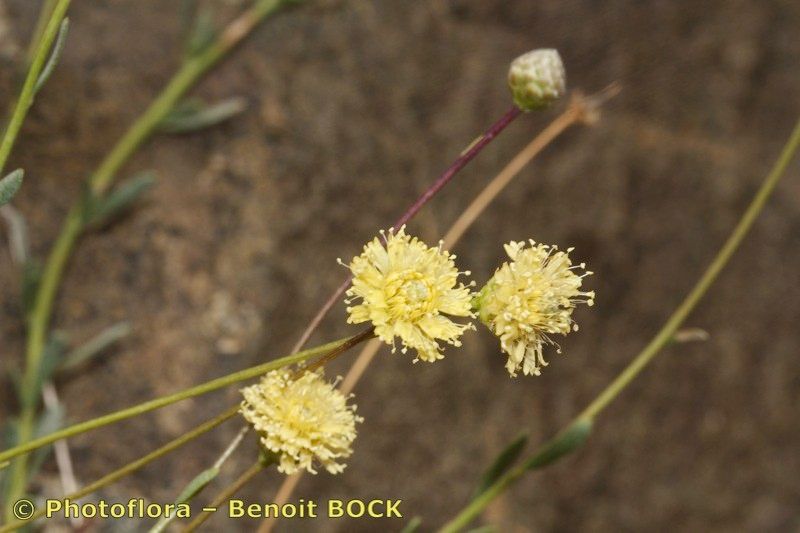
Propagating Globularia nainii: A Gardener’s Challenge and Reward
Globularia nainii, commonly known as dwarf globe daisy, is a captivating low-growing evergreen shrub prized for its dense, cushion-like habit and vibrant, globe-shaped flower heads. Its compact nature makes it a favourite for rock gardens, alpine troughs, and as a groundcover in well-drained sunny spots. However, its propagation presents unique challenges, making successful cultivation all the more rewarding.
Seed Germination:
Currently, there are no known reliable methods for seed germination propagation of Globularia nainii. While the plant does produce seeds, their germination rate is notoriously low, and successful germination under typical horticultural conditions has not been consistently documented. Further research into specific stratification techniques or other pre-treatment methods might be necessary to unlock the potential of seed propagation. The rewards of such a breakthrough would be significant, offering a path to genetic diversity and potentially large-scale propagation, but currently, this method is not practical for the average gardener.
Cuttings:
Cuttings offer a more reliable method for propagating Globularia nainii. The challenges lie in achieving successful rooting. Semi-hardwood cuttings taken in late summer or early autumn generally yield the best results.
Challenges: Slow rooting is common. Maintaining consistently moist but not waterlogged conditions is crucial to avoid rot. The use of rooting hormone can significantly improve success rates.
Practical Tips: Take cuttings of about 10cm, removing lower leaves to prevent rotting. Use a well-draining propagation mix, such as a perlite and peat moss blend. Place cuttings under a humidity dome or mist regularly to maintain high humidity. A bottom heat mat can also accelerate rooting.
- Rewards: Cuttings provide a relatively quick way to increase the number of plants, preserving the desirable characteristics of the mother plant. This method is more readily achievable for home gardeners than other approaches.
Division:
Division is another viable propagation technique, particularly for established, mature plants.
Challenges: Globularia nainii’s dense, fibrous root system can make division difficult and potentially damaging to the plant. Careful handling is necessary to avoid injuring the roots too severely.
Practical Tips: Divide the plant in spring or autumn, ensuring each division has a sufficient root mass and several healthy shoots. Use a sharp, clean knife or spade to minimize damage. Plant the divisions immediately after separating them to minimize stress.
- Rewards: Division allows for the easy propagation of a large plant into multiple smaller plants quickly. This method can be less technically demanding than cuttings, though still requiring a degree of care.
Tissue Culture:
Tissue culture offers the potential for large-scale propagation and disease-free plants. However, this method is highly specialized and requires laboratory facilities and significant expertise.
Challenges: Establishing reliable protocols for Globularia nainii tissue culture is a challenging research undertaking, requiring significant investment and expertise in plant tissue culture techniques.
Practical Tips: This is not a method readily available to the average home gardener. It requires specific media, environments, and expertise.
- Rewards: The potential for mass propagation and the production of disease-free plants makes tissue culture a desirable but high-tech approach.
Conclusion:
Propagating Globularia nainii presents unique challenges but offers significant rewards to the persistent gardener. While seed germination currently remains elusive, cuttings and division offer viable options for increasing the number of plants. Mastering these techniques requires patience, attention to detail, and a keen understanding of the plant’s needs. The satisfaction of successfully propagating this charming plant from cuttings or by division far outweighs the initial difficulties, offering the immense joy of nurturing life and a flourishing rock garden. Don’t be discouraged by initial setbacks – diligent effort and careful observation will lead to success in cultivating these attractive gems.