
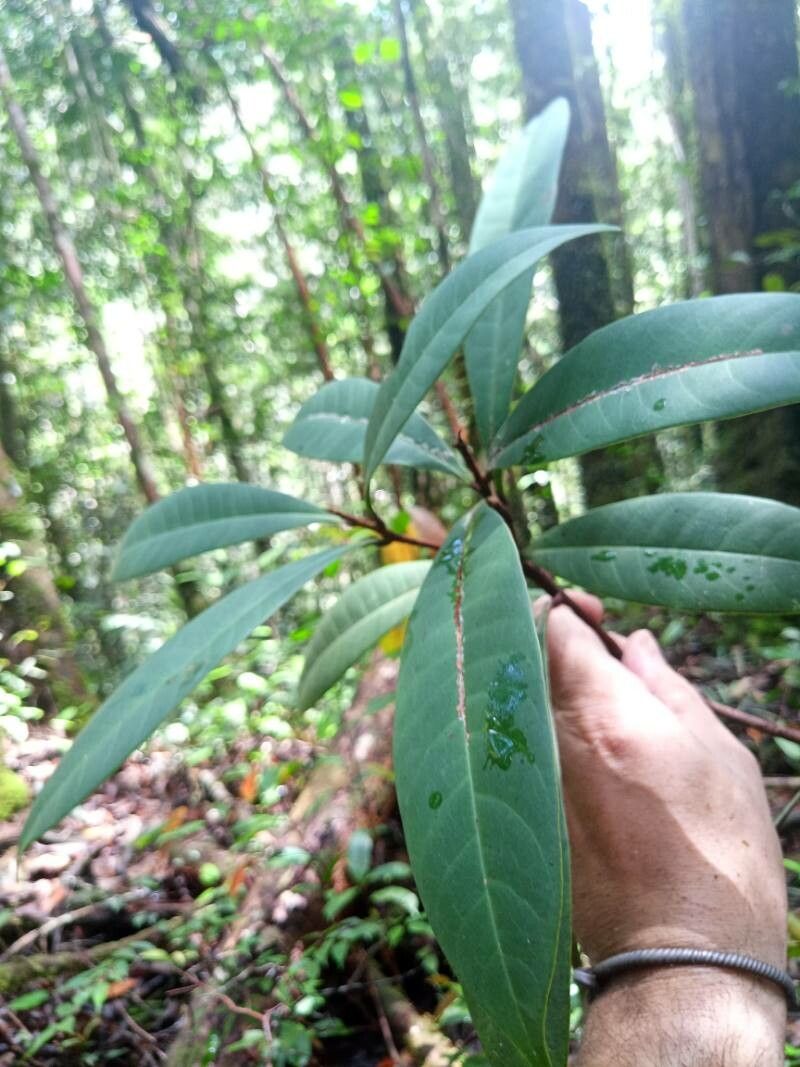
Unlocking the Secrets of the Fire Flower: Gluta Rostrata Propagation
The Gluta rostrata tree, with its fiery orange blossoms bursting forth like miniature flames, is a sight to behold. This Southeast Asian native, also known as the Burmese lacquer tree, is a prized ornamental, sought after for its vibrant beauty and the unique, durable lacquer derived from its sap.
If you’re lucky enough to encounter this exotic beauty, you might be tempted to try propagating it yourself. However, the Gluta rostrata is not your typical houseplant and requires specific conditions and a touch of patience to reproduce successfully.
Understanding the Challenges
Propagating Gluta rostrata is considered challenging, primarily due to:
- Seed Scarcity: Seeds are not readily available commercially and have a short viability period.
- Slow Growth Rate: These trees are notoriously slow growers, taking years to mature.
- Specific Environmental Needs: They thrive in tropical climates with high humidity and warmth.
Mastering the Methods
Despite the challenges, the rewards of cultivating this magnificent tree are well worth the effort. Let’s explore the two primary propagation methods:
1. Seed Propagation:
- Source Viable Seeds: Secure fresh seeds from a reputable supplier or through personal contacts with established growers.
- Prepare the Seeds: Soak the seeds in lukewarm water for 24 hours to enhance germination rates.
- Choose a Well-Draining Medium: A mix of peat moss, perlite, and vermiculite provides the perfect balance of moisture retention and drainage.
- Plant and Protect: Plant the seeds about half an inch deep, mist lightly, and cover the container with a clear plastic bag to maintain humidity.
- Be Patient: Germination can take several weeks to months. Ensure consistent warmth and indirect sunlight during this crucial phase.
2. Cuttings:
- Timing is Key: Take cuttings during the active growing season in spring or early summer.
- Select Healthy Shoots: Choose semi-hardwood cuttings from healthy, established branches. These should be about 6-8 inches long with at least two leaf nodes.
- Hormone Treatment: Dipping the cut end in rooting hormone significantly improves the success rate.
- Create a Humid Environment: Plant the treated cuttings in well-draining soil, mist generously, and cover with a clear dome or plastic bag to maintain humidity.
- Monitor Growth: Rooting can take several weeks. Once new growth appears, it’s a good sign that the cutting has successfully rooted.
Nurturing Your Gluta Rostrata
Whether you choose seeds or cuttings, remember that these majestic trees are a long-term commitment.
- Provide Ample Sunlight: Once established, they require full sun to partial shade.
- Maintain Warmth: They thrive in temperatures above 60 degrees Fahrenheit and are not frost-tolerant.
- Water Deeply, but Infrequently: Allow the soil to dry out slightly between waterings to prevent root rot.
- Fertilize Regularly: Use a balanced fertilizer during the growing season to encourage healthy development.
Propagating a Gluta Rostrata is not for the faint of heart. However, with dedication, patience, and the right knowledge, even novice gardeners can experience the joy of witnessing this fiery beauty bloom in their own backyard.