
From Seed to Sprout: Growing Your Own Soybean Paradise
Have you ever wondered how those tiny, protein-packed soybeans make their way from the grocery store to your plate? You might be surprised to learn that the journey begins with a single seed, lovingly propagated into a thriving plant that yields the beans we all know and love.
Glycine max, better known as the soybean, is a fascinating plant with a rich history. But beyond its culinary uses, soybeans offer a wide range of applications – from animal feed to biofuel and even bioplastics. Today, we’re exploring the fascinating world of soybean propagation, looking at how these versatile beans take root and flourish.
Soaking and Scarifying: The First Steps
The journey begins with the soybean seed itself. Unlike some other seeds that sprout readily, soybeans have a hard seed coat that can hinder germination. This protective shell can be overcome through a process called scarification. This involves nicking or scratching the seed coat to allow water and oxygen to penetrate, aiding in germination.
Before planting, soaking the seeds in water for 12-24 hours is highly recommended. This softens the seed coat and encourages the embryo to swell, leading to faster germination.
Planting Time:
Soybeans prefer warm temperatures and well-drained soil. The ideal temperature for germination is between 70-90°F, so be sure to plant your seeds after the last frost.
Direct sowing is the most common method of soybean propagation. This involves scattering seeds directly into the ground, typically at a depth of 1-2 inches. Spacing is key – aim for 4 to 6 inches between seeds.
Sunlight and Water:
Soybeans thrive in sunny locations, needing at least six hours of direct sunlight daily. Like any plant, adequate watering is crucial. Deep watering, allowing the soil to dry slightly between waterings, is the preferred method.
The Magical Transformation:
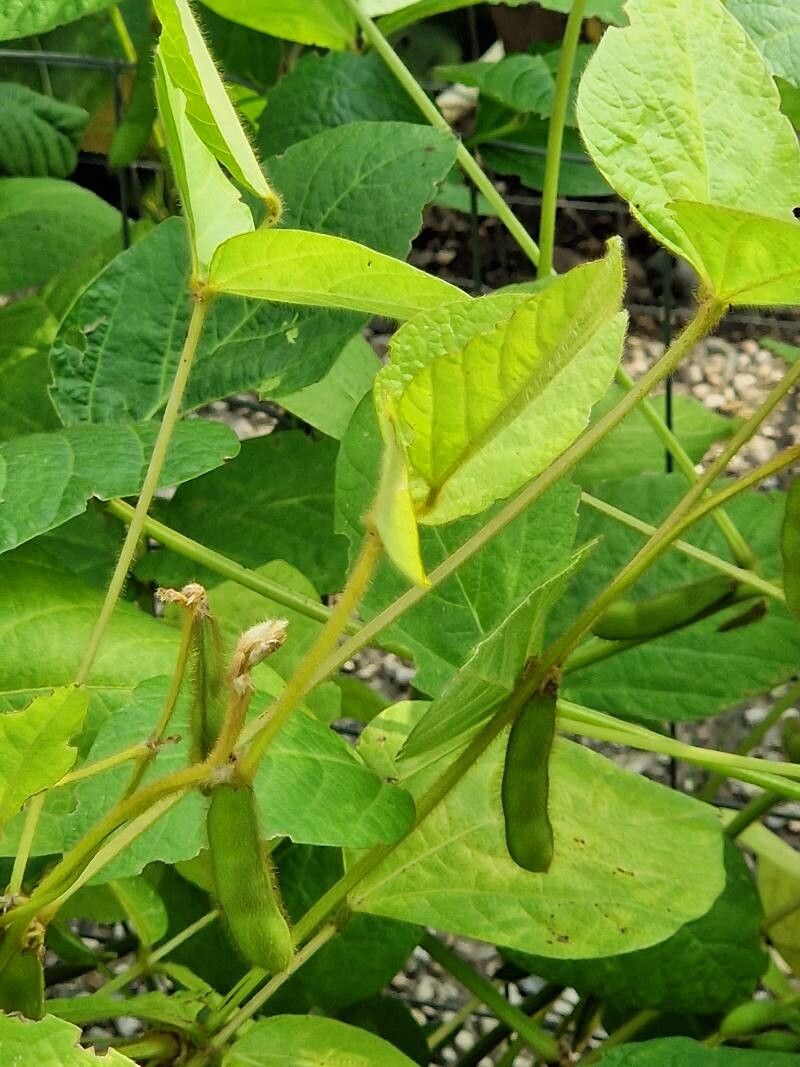
From seed to sprout, the journey unfolds magnificently. Within a week or two, tiny green shoots emerge from the soil, reaching for the sun. These seedlings quickly develop into strong, bushy plants, with intricate leaves and stems that gracefully sway in the breeze.
As the plant matures, small white flowers appear, followed by the pods that will eventually house the precious soybeans. The pods, typically containing two to four beans each, take roughly 4 months to mature fully.
Harvesting and Beyond
The soybean harvest is a moment of celebration, marking the culmination of months of dedicated care and nurturing. From here, these precious beans can be used in countless culinary creations, serving as a source of essential nutrients and providing the building blocks for a multitude of applications.
The Power of Propagation:
By understanding the process of soybean propagation, we gain a deeper appreciation for this remarkable plant. We can confidently cultivate our own soybean patch, embracing the cycle of growth and contributing to a sustainable future. So, if you’re looking for a rewarding and fulfilling gardening adventure, consider exploring the world of Glycine max. You’ll be surprised by the bounty of nature’s gifts!