
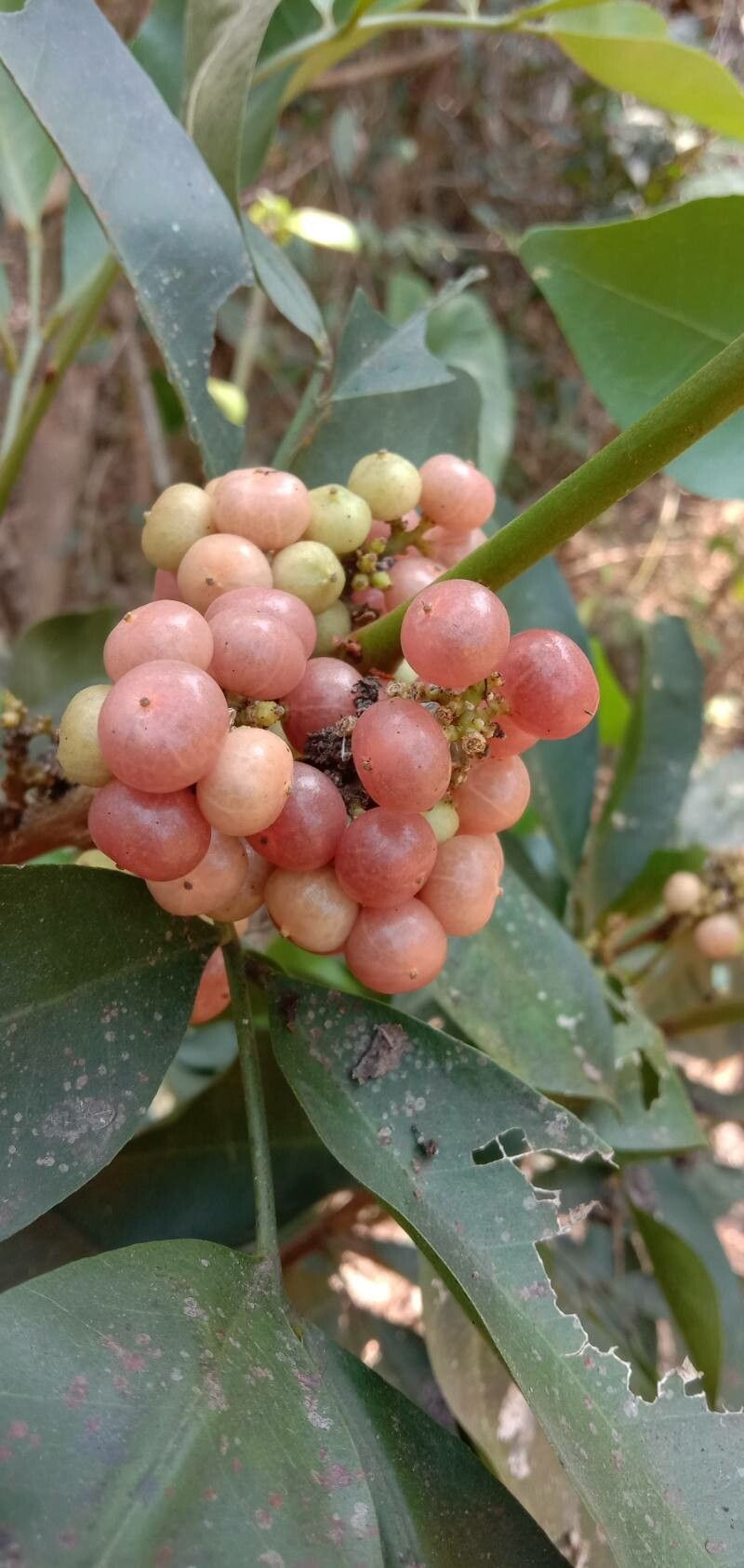
Propagating the Five-Leaf Orange: A Gardener’s Guide to Glycosmis pentaphylla
Introduction:
Glycosmis pentaphylla, commonly known as the five-leaf orange or five-leaved meliata, is a captivating shrub or small tree prized for its attractive foliage, fragrant flowers, and potential medicinal properties. Its glossy, five-leaflet compound leaves provide a unique aesthetic appeal, making it a sought-after addition to gardens, particularly in tropical and subtropical regions. While its beauty is undeniable, propagating Glycosmis pentaphylla can present certain challenges, demanding patience and a degree of horticultural expertise. Its popularity, however, fuels ongoing research into efficient propagation methods.
Seed Germination:
Currently, there are no known reliable methods for seed germination propagation of Glycosmis pentaphylla. While seeds may be produced, their germination rate is extremely low, and successful germination has not been consistently documented. Further research is needed to identify optimal germination conditions, including potential stratification techniques or specific pre-treatment requirements.
Cuttings:
Cuttings offer a more promising avenue for propagating Glycosmis pentaphylla. However, challenges remain.
Challenges: The success rate of rooting cuttings can be variable, influenced by factors such as the age of the wood used (semi-hardwood cuttings generally yield better results), the time of year (spring or early summer is optimal), and the use of rooting hormones. Also, fungal diseases can easily affect cuttings, especially under humid conditions.
Practical Tips: Use sharp, clean tools to take cuttings of approximately 10-15 cm in length, removing lower leaves to prevent rotting. Dip the cut ends in a rooting hormone powder before planting in a well-draining propagation mix (e.g., a mix of perlite and vermiculite). Mist regularly to maintain humidity and provide bottom heat for optimal rooting. A humidity dome or propagator can significantly improve success rates.
- Rewards: Cuttings offer a relatively quick method to produce genetically identical plants, preserving desirable traits of the parent plant. This is particularly advantageous for propagating superior cultivars or plants with unique characteristics.
Division:
Division is generally not a practical method for propagating Glycosmis pentaphylla. The plant’s root system is not easily divisible, and attempts at division often result in plant stress and low survival rates.
Tissue Culture:
Tissue culture presents the most promising method for large-scale propagation of Glycosmis pentaphylla.
Challenges: Establishing sterile cultures and maintaining a contamination-free environment are crucial. This requires specialized equipment and aseptic techniques, making it a more costly and technically demanding method. Developing optimal growth media and hormonal regimes specific to Glycosmis pentaphylla is also a key challenge.
Practical Tips: Expertise in tissue culture techniques is essential. The process typically involves sterilizing plant material, establishing cultures on appropriate media, and subculturing to produce numerous plantlets.
- Rewards: Tissue culture allows for mass production of genetically uniform plants, rapid multiplication, and the potential for disease elimination. This makes it ideal for commercial propagation and conservation efforts.
Conclusion:
Propagating Glycosmis pentaphylla presents a unique set of challenges across various methods. While seed germination currently proves unreliable, cuttings offer a viable, though often inconsistent, alternative for the home gardener. Tissue culture holds the greatest potential for large-scale propagation but requires specialized knowledge and resources. The rewards, however, are significant: the ability to cultivate this beautiful and potentially useful plant can provide significant satisfaction. The persistence needed to overcome the hurdles associated with propagation only enhances the sense of accomplishment when success is finally achieved. For aspiring propagators, we encourage patience, experimentation, and a willingness to learn from both successes and failures – the journey itself is a significant part of the rewarding process of cultivating this fascinating plant.