
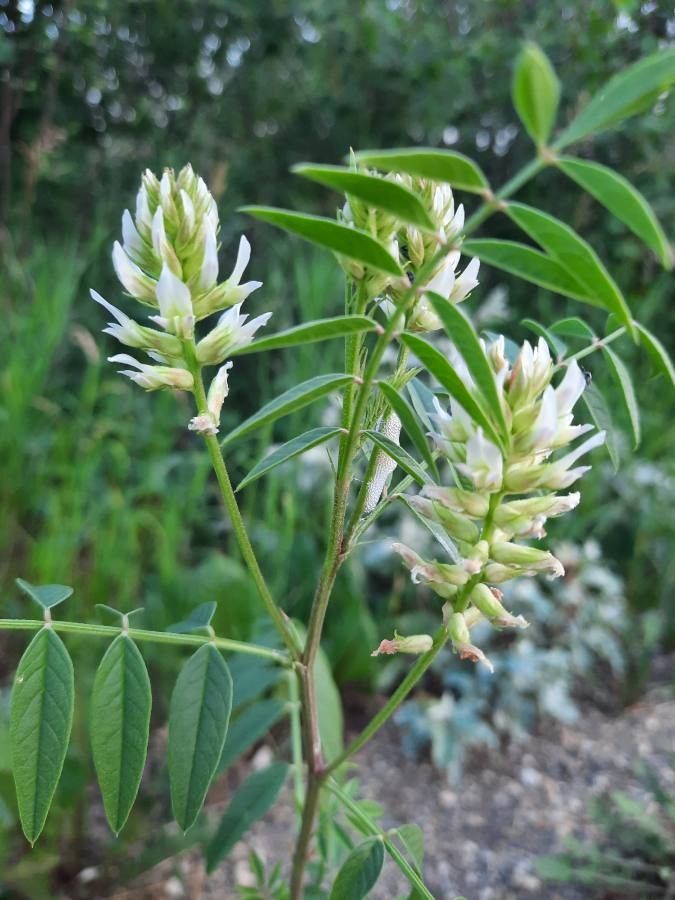
Unveiling the Secrets of Sweet Root: Propagating American Licorice (Glycyrrhiza lepidota)
American licorice (Glycyrrhiza lepidota), though lacking the intense sweetness of its commercially popular cousin, holds a unique allure for native plant enthusiasts and curious gardeners alike. This perennial boasts delicate, pea-like flowers and charming seed pods, making it an attractive addition to prairie gardens and naturalistic landscapes.
While acquiring established plants is an option, propagating your own American licorice offers a rewarding experience and a chance to multiply your collection. But how do you coax this intriguing plant to flourish in your garden? Let’s delve into the secrets of propagating Glycyrrhiza lepidota.
Two Paths to Propagation:
American licorice readily propagates through two primary methods:
- Collection and Preparation: Begin by collecting mature seed pods in late summer or early fall. Look for pods that have turned brown and brittle. Gently crush the pods to release the small, brown seeds within.
- Cold Stratification: Like many native perennials, American licorice seeds benefit from cold stratification, mimicking the natural winter dormancy period. Store the seeds in a moist paper towel within a sealed plastic bag in your refrigerator for 6-8 weeks.
- Sowing: In spring, sow the stratified seeds directly into prepared garden beds or start them indoors 6-8 weeks before the last frost. Surface sow the seeds and lightly press them into the soil, as they require sunlight for germination.
- Patience is Key: Germination can be slow and sporadic, often taking anywhere from 2 to 8 weeks. Keep the soil consistently moist but not waterlogged.
Division:
- Timing is Everything: Dividing established clumps is best done in early spring when new growth emerges or in the fall after flowering has ceased.
- Digging Deep: Carefully dig around the plant, ensuring you capture a good portion of the root system. Look for natural divisions within the clump, or use a sharp, clean knife to separate it into sections, ensuring each division has a healthy amount of roots and shoots.
- Replanting: Replant the divisions immediately at the same depth they were previously growing, spacing them about 1-2 feet apart. Water thoroughly and keep the soil consistently moist as the divisions establish themselves.
Tips for Success:
- Soil Matters: American licorice prefers well-drained soil. Amend heavy clay soils with compost or sand to improve drainage.
- Sunlight is Key: Choose a location that receives full sun (at least 6 hours of direct sunlight per day) for optimal growth and flowering.
- Water Wisely: While drought-tolerant once established, provide consistent moisture during the first year, especially during dry spells.
- Pest Patrol: Generally pest-free, keep an eye out for aphids or spider mites, addressing any infestations promptly.
Propagating American licorice, whether from seed or division, presents a fulfilling endeavor. With patience and care, you’ll soon be enjoying the charm and subtle sweetness of this beautiful native plant in your own garden.