
Propagating the Prayer Plant (Goeppertia fasciata): A Gardener’s Guide
Introduction:
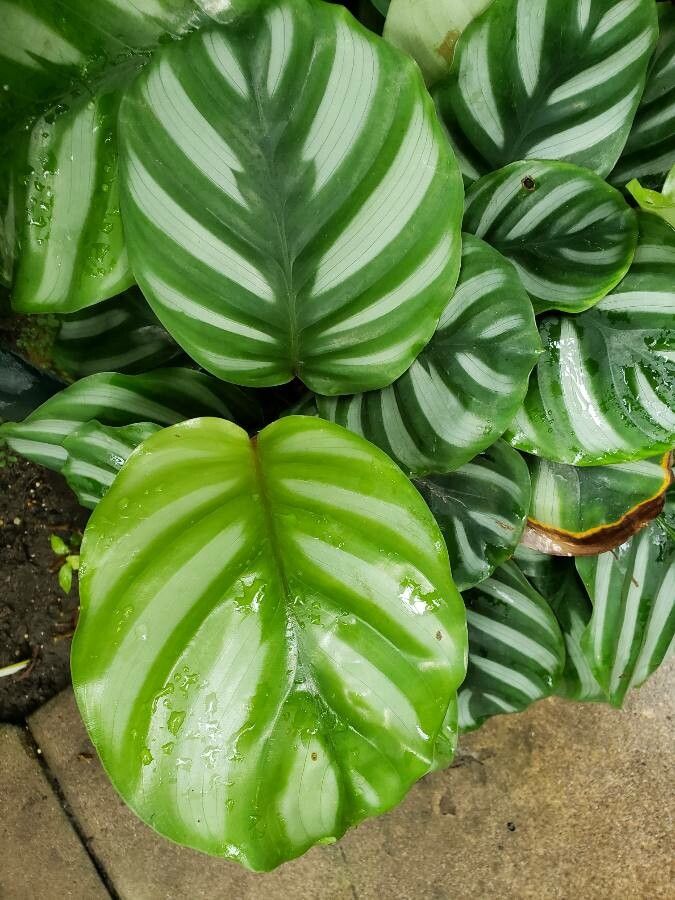
Goeppertia fasciata, commonly known as the prayer plant, is a cherished houseplant celebrated for its striking foliage. Its elliptical leaves, adorned with deep green veins against a lighter background, dramatically fold up at night, resembling hands clasped in prayer – hence its common name. This captivating display, coupled with its relatively easy care, makes it incredibly popular among home gardeners. However, propagating Goeppertia fasciata can present unique challenges, making successful multiplication a rewarding endeavor. Unlike some plants with readily available seeds, prayer plant propagation relies more heavily on vegetative methods.
Seed Germination:
Currently, there are no known reliable methods for seed germination propagation of Goeppertia fasciata. While some might claim success, consistent germination rates are rare, making it a less practical method for most hobbyists. The plant’s infrequent flowering and the potential for hybrid incompatibility contribute to this difficulty.
Cuttings:
Challenges: Goeppertia fasciata cuttings are slow to root and prone to rot if not handled carefully. Maintaining high humidity and preventing fungal infections are crucial.
Practical Tips: Stem cuttings, taken from young, healthy growth, are the preferred method. The cutting should include at least one node. Dip the cut end in rooting hormone and plant it in a well-draining, moist mixture of perlite and peat moss. Cover the cutting with a humidity dome or plastic bag to maintain high humidity. Place in bright, indirect light and avoid overwatering.
Rewards: Relatively simple technique compared to division or tissue culture, good for maintaining the characteristics of a mother plant.
Division:
Challenges: Division requires a mature plant with well-established rhizomes. Care must be taken to avoid damaging the root system during the separation process, as this can lead to plant death or slow recovery.
Practical Tips: Divide the plant during repotting. Gently separate the rhizomes, ensuring each division has its own root system and several healthy leaves. Plant each division in its own pot with fresh potting mix and water thoroughly.
Rewards: Faster establishment than cuttings, quicker to flower and potentially providing bigger plants sooner.
Tissue Culture:
Challenges: Tissue culture requires specialized equipment, sterile conditions, and a working knowledge of plant tissue culture techniques. It’s a more complex and expensive method, unsuitable for most home propagators.
Practical Tips: This method involves sterilizing plant tissue and cultivating it in a nutrient-rich agar medium under controlled conditions. It allows for mass propagation and the elimination of diseases. However, it’s best undertaken in a laboratory or by experienced propagators.
Rewards: Large-scale propagation, disease-free plants, potential for genetic improvement through selection of desirable traits.
Conclusion:
Propagating Goeppertia fasciata presents varying degrees of challenge depending on the chosen method. Seed germination is currently unreliable, while cuttings offer a reasonable approach for the home gardener with a moderate success rate. Division is a viable option for those with mature plants, but requires careful handling. Tissue culture provides the highest yield but comes with substantial cost and technical demands.
Successfully propagating a prayer plant, despite the potential difficulties, provides immense satisfaction. The delicate beauty of this plant, and the effort required to cultivate it from a small cutting or division, makes the process deeply fulfilling. Whether you opt for cuttings or division, patience and attention to detail are key to success. Embrace the learning curve, and the vibrant green leaves of your successfully propagated prayer plants will be a testament to your horticultural dedication.