
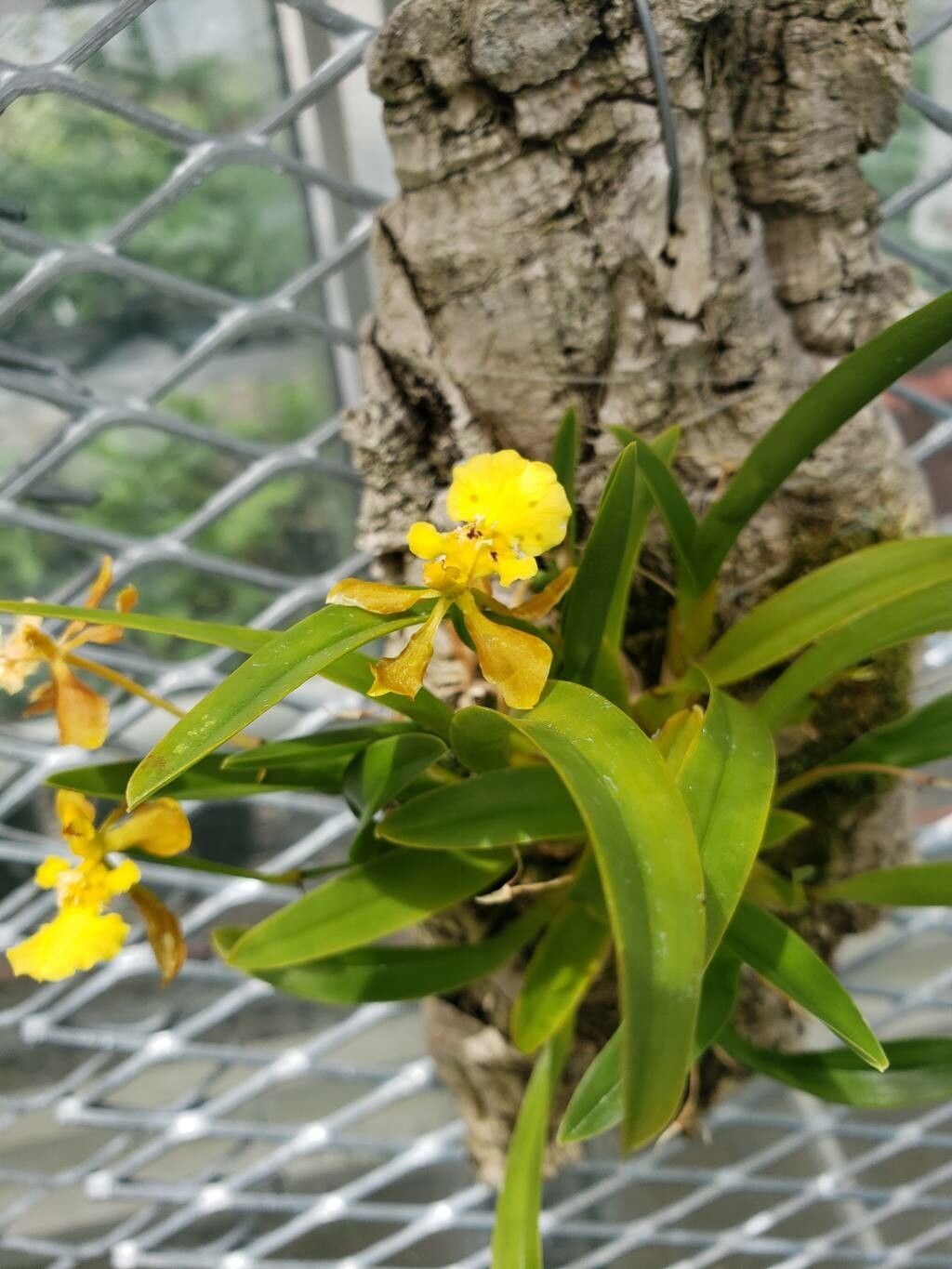
Unlocking the Secrets to Propagating the Dancing Lady Orchid (Gomesa longipes)
The Gomesa longipes, affectionately dubbed the “Dancing Lady Orchid” for its gracefully swaying blooms, captivates with its vibrant colors and delicate fragrance. While caring for this Brazilian beauty can be an enriching experience, many orchid enthusiasts are eager to learn the secrets of propagation, multiplying their floral delights. Luckily, with a bit of patience and the right techniques, you, too, can propagate your Gomesa longipes and share its elegance.
Understanding the Fundamentals
Before diving into the methods, it’s crucial to understand that Gomesa longipes are sympodial orchids. This means they grow laterally, producing new shoots along a horizontal stem called a rhizome. Knowing this is key to successful propagation.
Methods for Propagating Gomesa longipes
Division: This is the most common and often the most successful method for propagating your Dancing Lady Orchid.
- Timing is Key: The best time for division is during spring, just as the plant begins its active growth phase.
- Tools of the Trade: You’ll need a sterilized, sharp cutting tool (pruning shears or a knife) and new pots with appropriate orchid potting mix.
- The Process: Carefully remove the orchid from its pot. Identify healthy sections of the rhizome with at least 3-4 pseudobulbs (the thickened, bulb-like stems) and a healthy root system. Using your sterilized tool, cut through the rhizome, ensuring each division has sufficient roots and pseudobulbs. Pot the divisions in your prepared pots, providing support if needed.
Backbulbs: Mature Gomesa longipes often have older, leafless pseudobulbs called backbulbs. These can hold the potential for new growth.
- Patience is a Virtue: This method is less predictable than division, and success is not guaranteed. However, it’s worth a try if you have healthy backbulbs.
- Creating the Ideal Environment: Remove the backbulbs from the main plant, ensuring a clean cut. Place them in a shallow tray filled with slightly moist sphagnum moss. Cover the tray loosely with plastic wrap to maintain humidity and place it in a warm, bright location out of direct sunlight.
- Waiting for the Magic: It can take several weeks or even months for new growth to emerge from the backbulbs. Be patient and maintain consistent moisture and humidity.
Caring for Your New Propagations
Treat your newly potted divisions or sprouted backbulbs as you would a mature Gomesa longipes. Provide them with bright, indirect light, good air circulation, and moderate humidity. Water when the potting mix approaches dryness, allowing for thorough drainage to prevent root rot. Fertilize regularly during the growing season with a balanced orchid fertilizer.
A Rewarding Endeavor
Propagating your Gomesa longipes can be incredibly rewarding. Not only will you be expanding your orchid collection, but you’ll also be gaining valuable horticultural experience. Remember, patience and attention to detail are key. With a little practice and the right knowledge, you’ll be well on your way to enjoying a chorus of “Dancing Lady Orchids” gracing your home.