
Branching Out: The Simple Joy of Propagating Your Gomesa Ramosa Orchid
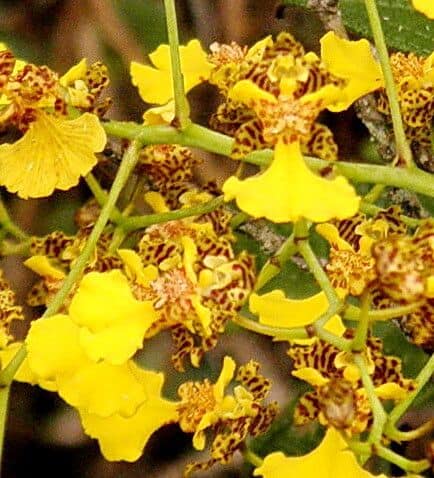
The Gomesa Ramosa, also known as the Dancing Lady Orchid, is a showstopper with its cascading chains of fragrant, yellow-and-brown blooms. While caring for this Brazilian beauty might seem intimidating, propagating it is surprisingly achievable, even for beginners!
This guide will walk you through the different methods to multiply your Gomesa Ramosa collection, turning one stunning plant into many.
Understanding the Basics
Before diving into techniques, it’s essential to understand the growth habit of the Gomesa Ramosa. This epiphytic orchid grows naturally on trees, using them for support. Its pseudobulbs, those plump, bulb-like structures at the base of the leaves, store water and nutrients, making propagation a process focused on these structures.
Methods of Propagation
While seeds are an option, they require specialized conditions and take years to produce blooming orchids. For home growers, the following methods are more efficient and rewarding:
1. Division:
- When: The ideal time is during spring, just as the plant starts its active growth period, typically when you repot due to overcrowding.
- How:
- Carefully remove the orchid from its pot.
- Using sterilized shears or a sharp knife, divide the rhizome (the horizontal stem connecting the pseudobulbs) ensuring each section has at least 3-4 healthy pseudobulbs with roots attached.
- Plant each division in a well-draining orchid mix, ensuring the base of the pseudobulbs is level with the potting medium.
2. Keiki Propagation:
- What are Keikis? Keikis are essentially "baby" orchids that sprout from the nodes on the flower spike. They develop their own roots and leaves.
- When: Once the keiki develops a healthy root system of at least 2 inches long.
- How:
- Carefully detach the keiki from the mother plant using a sterile blade.
- Plant in a small pot with orchid mix, keeping the base of the keiki level with the potting medium.
Care after Propagation
- Light: Place your newly propagated Gomesa Ramosa in bright, indirect light, similar to the conditions favored by the mother plant.
- Water: Keep the potting mix lightly moist but not soggy. Water thoroughly when the top inch of the potting mix feels dry.
- Humidity: Gomesa Ramosa thrives in humidity levels of 50-70%. Consider using a pebble tray, humidifier, or grouping your orchids to increase humidity.
- Fertilizer: Feed with a balanced orchid fertilizer diluted to half strength every other week during the growing season (spring and summer).
Patience is Key
Remember, propagation is a waiting game. It takes time for divisions and keikis to establish themselves. Be patient, provide the right care, and soon you’ll be rewarded with a flourishing collection of Gomesa Ramosa orchids, sharing their beauty and fragrance throughout your home!